Your bathroom looks dated. The tub has stains that won’t come out, the grout lines are discolored, and the whole space feels tired. You know something needs to change, but the thought of a full bathroom remodel with weeks of construction, dust everywhere, and costs that can easily exceed $20,000 makes you hesitate. This is exactly the situation where understanding what is bath renewal becomes valuable for homeowners throughout Acadiana.
Bath renewal offers a middle ground between living with an outdated bathroom and undertaking a complete gut renovation. This guide explains exactly what bath renewal involves, how much it costs, how long it takes, and when it makes sense compared to traditional remodeling.
Understanding the Bath Renewal Process
Bath renewal is a bathroom update method that transforms the look and function of your existing bathroom without removing or replacing the underlying structure. Instead of tearing out your tub, shower, walls, and fixtures down to the studs, bath renewal installs new surfaces directly over your existing bathroom components.
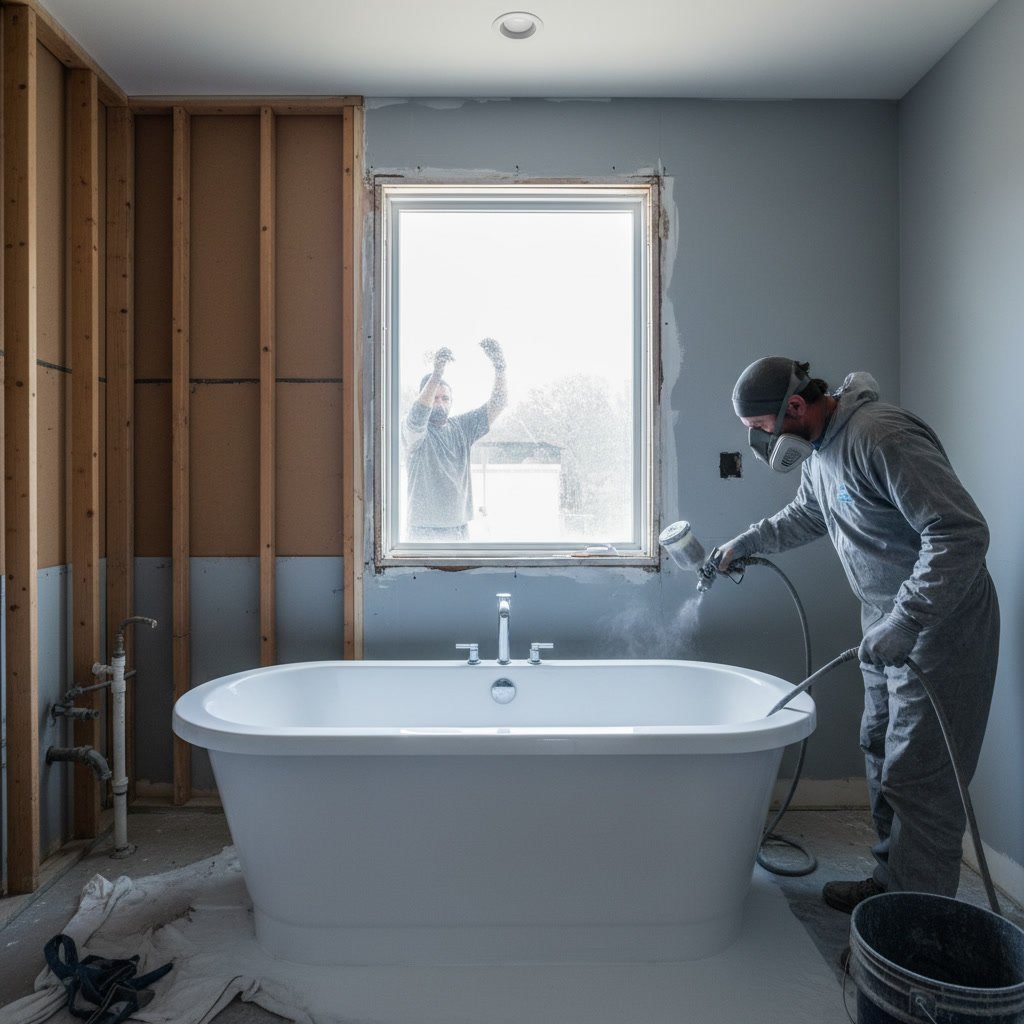
The process typically involves measuring your current bathroom precisely, manufacturing custom acrylic or composite panels that fit your exact dimensions, and installing these new surfaces over the old ones. A professional installer removes old fixtures like faucets and hardware, prepares the existing surfaces, and bonds the new materials in place.
Most bath renewal projects focus on the tub and shower area, but the approach can also update vanity tops, wall surrounds, and other bathroom surfaces. The new materials are designed to be waterproof, durable, and low-maintenance.
The entire installation usually takes one to three days, depending on the scope of work. You’re left with a bathroom that looks completely new but didn’t require weeks of construction or the expense of replacing plumbing, electrical systems, or structural elements.
How Bath Renewal Differs from Traditional Bathroom Remodeling
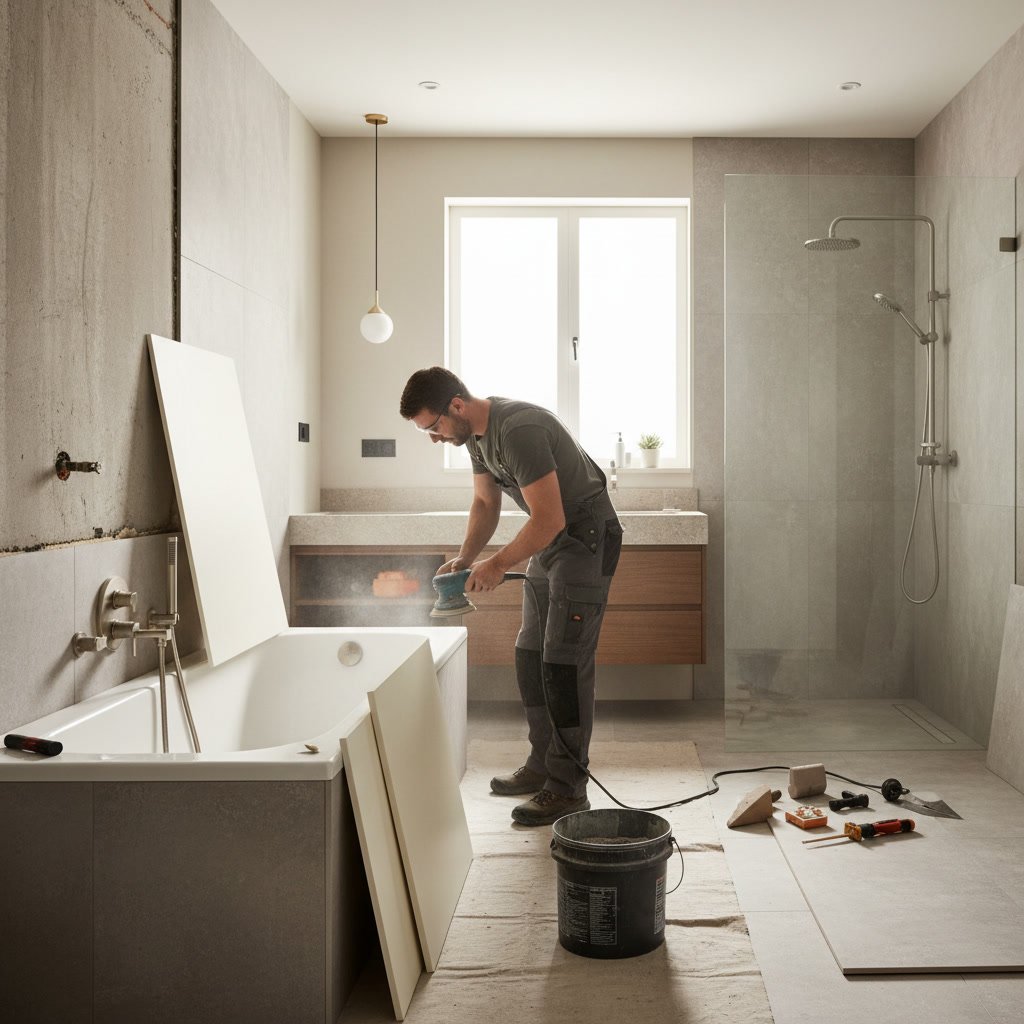
The fundamental difference between bath renewal and full remodeling lies in what gets changed and what stays in place. A traditional bathroom remodel typically involves demolition, removing everything down to the framing, and rebuilding from scratch.
Traditional remodeling gives you complete freedom to change the bathroom layout, move plumbing fixtures, relocate the toilet or vanity, and create an entirely new floor plan. Bath renewal works within your existing layout. Your tub stays where it is, your plumbing connections remain in the same locations, and the basic structure doesn’t change.
Timeline Comparison
A full bathroom remodel in Lafayette, LA typically takes three to six weeks from start to finish. This includes demolition, framing adjustments, plumbing and electrical work, drywall installation, tiling, fixture installation, and finishing touches. During most of this time, your bathroom is completely unusable.
Bath renewal projects are completed in one to three days. You might lose access to your bathroom for a day or two at most. For many homeowners, particularly those with only one bathroom or a busy household, this shorter timeline is a major advantage.
Cost Differences
Traditional bathroom remodels in the Acadiana area typically cost between $15,000 and $35,000, depending on the size of the bathroom and the quality of materials selected. High-end remodels can exceed $50,000.
Bath renewal projects generally range from $3,000 to $10,000. The lower cost reflects the reduced labor, fewer materials, and elimination of structural work, plumbing relocation, and other complex elements that drive up remodeling expenses.
Pro Tip: If your bathroom layout works well but the surfaces are worn or dated, bath renewal delivers maximum visual impact for minimum investment and disruption.
When Bath Renewal Makes the Most Sense
Bath renewal is ideal in specific situations. If your bathroom’s layout is functional but the surfaces are worn, stained, cracked, or simply outdated, bath renewal addresses exactly what needs fixing without changing what already works.
Homeowners in Youngsville, LA and surrounding areas often choose bath renewal when preparing to sell a home. The quick turnaround and lower cost make it an effective way to update a bathroom before listing, potentially increasing home value and appeal without the risk of running into costly surprises during demolition.
Bath renewal also works well for rental properties where you need a durable, low-maintenance solution that looks good without the extended timeline and higher cost of traditional remodeling. The nonporous acrylic or composite materials resist mold, mildew, and staining better than traditional tile and grout.
If you have mobility concerns, bath renewal can include features like grab bars, built-in seating, and low-threshold or walk-in tub conversions without the disruption of a full remodel. These accessibility improvements can often be integrated during the renewal process.
When Traditional Remodeling Is the Better Choice
Bath renewal has limitations. If you want to change your bathroom layout, move the toilet location, expand the shower, or create an entirely new floor plan, you need a traditional remodel. Bath renewal works within your existing footprint.
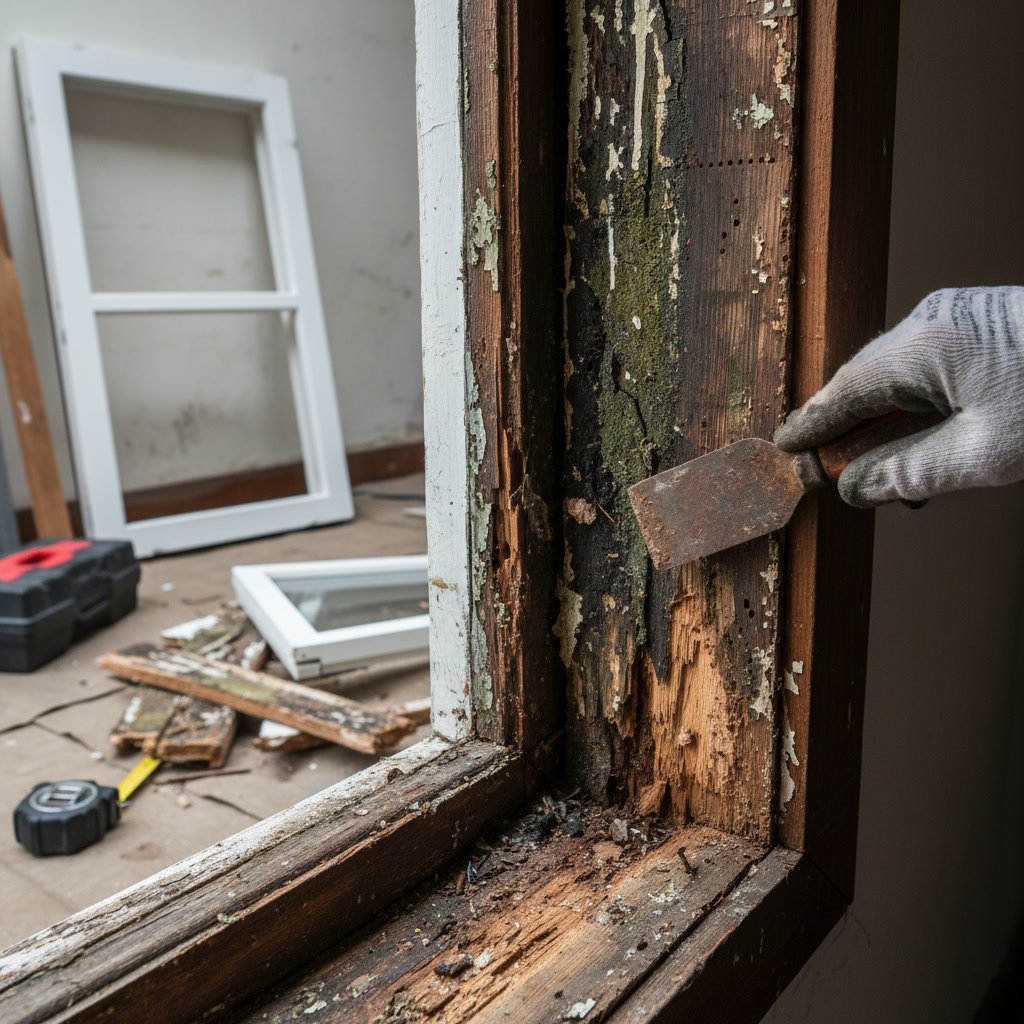
Structural issues also require full remodeling. If you have water damage behind the walls, rotted subfloors, mold growth within the wall cavities, or plumbing that needs replacement, covering these problems with new surfaces doesn’t solve the underlying issue. You need to address the structural problems first.
Traditional remodeling also offers more material choices. While bath renewal provides numerous colors, patterns, and styles in acrylic and composite materials, you won’t have access to natural stone, custom tile designs, or certain specialty materials that are available in traditional remodeling.
If your bathroom is already in poor structural condition or you’re planning other home improvements that make sense to coordinate (like replacing windows or doors in the same area), the incremental cost of a full remodel might be worthwhile.
Materials and Durability in Bath Renewal
Modern bath renewal uses high-quality acrylic or composite materials engineered specifically for bathroom environments. These materials are nonporous, meaning water cannot penetrate the surface. This characteristic makes them naturally resistant to mold and mildew, which commonly grow in the grout lines of traditional tile installations.
The surface panels are typically 1/4 inch thick and reinforced with fiberglass backing for strength. When properly installed with construction adhesive and mechanical fasteners where needed, these panels create a watertight barrier that can last 20 years or more with minimal maintenance.
Many manufacturers offer warranties of 10 to 15 years on bath renewal materials, covering defects in materials and manufacturing. This level of warranty reflects confidence in the product’s durability and longevity.
Cleaning bath renewal surfaces is simpler than maintaining tile and grout. A quick wipe with standard bathroom cleaner keeps the surfaces looking new. There are no grout lines to scrub, reseal, or replace over time.
Design Options
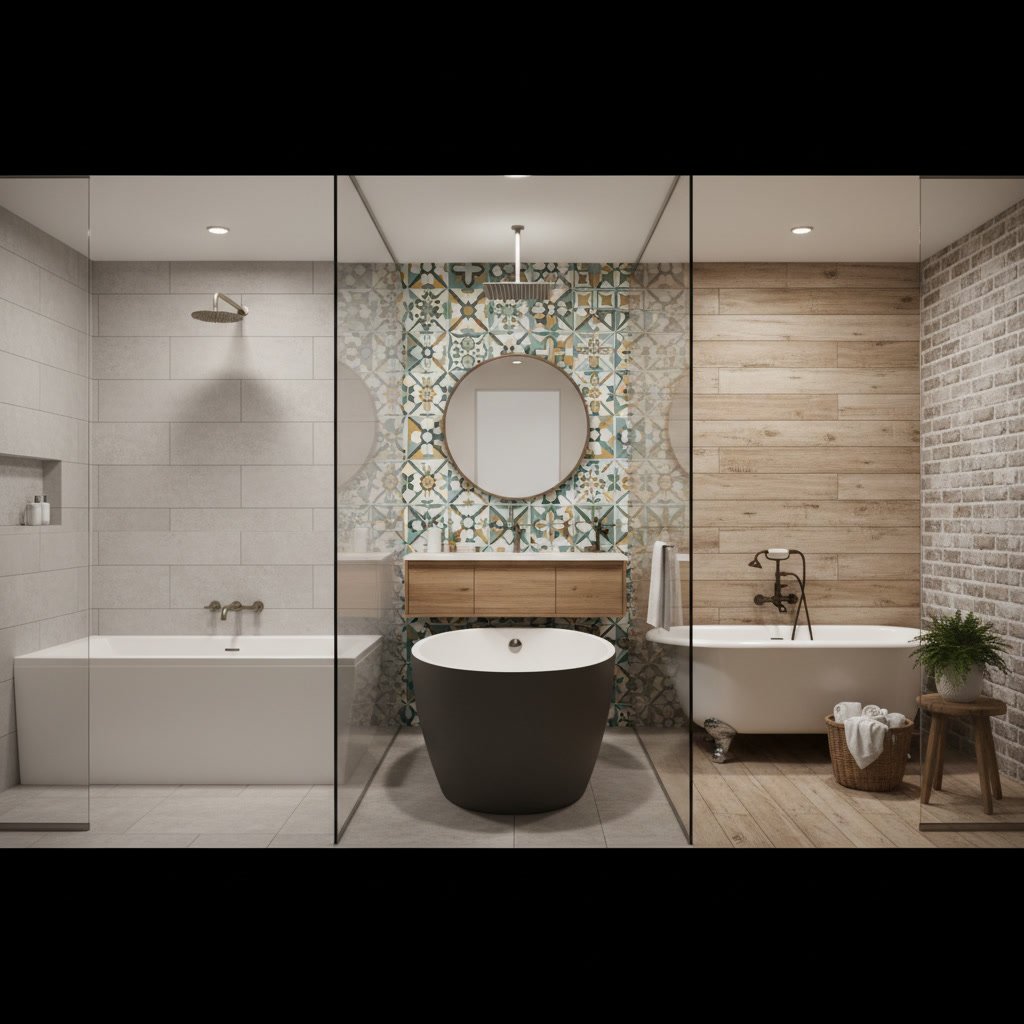
Bath renewal materials come in a wide range of colors, patterns, and textures. You can choose solid colors, stone-look patterns, tile patterns, and various textures from smooth to slightly textured surfaces that provide slip resistance.
Popular choices include subway tile patterns, natural stone looks like marble or granite, and modern solid colors. The materials can replicate high-end looks at a fraction of the cost of actual stone or custom tile work.
Trim pieces, corner shelves, soap dishes, and other accessories can be integrated into the installation. Many homeowners add grab bars, built-in seats, or updated fixtures during the bath renewal process to create a more functional and modern bathroom.
The Installation Process Step by Step
Understanding what happens during a bath renewal installation helps you know what to expect. The process begins with an in-home consultation where a specialist measures your bathroom precisely. These measurements account for walls that aren’t perfectly square, variations in tub dimensions, and other real-world factors that affect fit.
Based on these measurements, custom panels are manufactured to fit your specific bathroom. This customization ensures a precise fit with minimal seams and a clean, finished appearance.
On installation day, the crew begins by removing old fixtures like faucets, handles, spouts, and any accessories. They thoroughly clean the existing surfaces and make any necessary minor repairs to ensure a sound base for the new materials.
Next, they apply construction adhesive to the back of the new panels and press them firmly into place over the existing surfaces. Depending on the configuration, some installations may include mechanical fasteners for additional security. All seams are sealed with waterproof sealant.
Finally, the crew installs new fixtures, trims out the edges, and performs a thorough cleanup. The bathroom is typically ready to use within 24 hours after the sealant has cured, though the installer will provide specific guidance.
Cost Factors for Bath Renewal in Acadiana
Several factors influence the final cost of a bath renewal project. The size of your bathroom is the primary driver. A small tub and shower surround costs less than a large walk-in shower or a bathroom with multiple shower walls to cover.
Material selection affects price. Basic solid colors typically cost less than premium patterns that replicate natural stone or designer tile. Additional features like built-in shelving, seats, or specialty trim increase the total cost.
Fixture upgrades also add to the price. If you’re replacing the old chrome faucet with a new brushed nickel or oil-rubbed bronze fixture set, those costs are separate from the surface renewal itself.
In the Broussard, LA area and throughout Acadiana, most homeowners spend between $4,000 and $8,000 for a complete tub or shower renewal including materials, installation, and new fixtures. This represents significant savings compared to the cost of similar bathroom updates through traditional remodeling, which you can learn more about in our article on home improvement costs in Lafayette.
Key Takeaway: Bath renewal typically costs 60 to 75 percent less than traditional bathroom remodeling while delivering a completely updated look in a fraction of the time.
Maintenance and Long-Term Care
One of bath renewal’s advantages is low maintenance. The nonporous acrylic or composite surfaces don’t support mold or mildew growth, and they don’t have grout lines that collect dirt and require periodic cleaning and resealing.
Regular cleaning with standard bathroom cleaners is all that’s needed. Avoid abrasive scrubbers or harsh chemicals that might scratch or dull the surface. A soft cloth or non-abrasive sponge with mild cleaner keeps the surfaces looking new.
The sealed seams should be inspected annually. If you notice any separation or gaps, applying fresh caulk prevents water infiltration. This simple maintenance task takes just a few minutes and protects your investment.
Most bath renewal surfaces maintain their appearance for 15 to 20 years with normal use and basic care. This longevity compares favorably with tile and grout installations, which often need grout replacement, resealing, or other maintenance within 10 years.
Common Concerns and Misconceptions
Some homeowners worry that bath renewal means simply covering up problems. When done properly, bath renewal addresses surface wear and aesthetic issues. However, any underlying structural problems, water damage, or mold should be remediated before installation. A reputable installer will assess your bathroom’s condition and recommend addressing any issues first.
Another concern is whether the new surface will feel cheap or look artificial. Modern bath renewal materials have come a long way. High-quality products look and feel substantial, with realistic stone patterns and textures that are difficult to distinguish from actual tile or stone.
Some people question whether bath renewal adds value to a home. While it may not add dollar-for-dollar value like some improvements, an updated bathroom definitely improves home appeal and can help a property sell faster. The return on investment is generally better than traditional remodeling because the initial cost is much lower.
Frequently Asked Questions
How long does bath renewal last compared to tile
Bath renewal installations typically last 15 to 20 years with proper care. Traditional tile can last longer (30 years or more), but the grout usually needs replacement or resealing every 5 to 10 years. When you factor in maintenance, bath renewal often provides comparable or superior long-term performance with less ongoing work.
Can you do bath renewal over any existing bathroom
Bath renewal works over most existing tubs, showers, and wall surfaces as long as the underlying structure is sound. The existing surfaces must be firmly attached and free of significant damage. If there’s water damage, rotted subfloor, or structural issues, those need repair before bath renewal can be installed.
Does bath renewal look obviously different from tile
Modern bath renewal materials closely replicate the appearance of tile, stone, and other natural materials. The main visual difference is the lack of grout lines in many installations, though tile-pattern options are available that include simulated grout lines. Most visitors won’t identify a high-quality bath renewal installation as anything other than a recently updated bathroom.
Can bath renewal include accessibility features
Yes, bath renewal projects often incorporate accessibility improvements like grab bars, built-in seating, low-threshold shower entries, or even tub-to-shower conversions. These features can be integrated during the installation process. Bath renewal actually makes it easier and less expensive to add accessibility features compared to retrofitting them into an existing tile bathroom.
What happens if the bath renewal surface gets damaged
Minor scratches can often be buffed out or repaired with touch-up kits. More significant damage may require replacing a panel, which is possible but requires professional service. The good news is that acrylic and composite materials are quite durable and resistant to chips, cracks, and other damage that commonly affects tile and porcelain.
Making the Right Choice for Your Acadiana Home
Deciding between bath renewal and traditional remodeling depends on your specific situation, budget, timeline, and goals. Bath renewal excels when you need a cost-effective update with minimal disruption. Traditional remodeling is necessary when you want to change the layout or need to address structural issues.
For most homeowners in Acadiana whose bathrooms have good bones but tired surfaces, bath renewal delivers the updated look they want at a price that makes sense. The quick installation means less disruption to daily life, an important consideration for busy families.
If you’re considering updating your bathroom and want to explore whether bath renewal or traditional remodeling makes more sense for your situation, America’s Best Choice of Acadiana brings extensive experience in bath renewal projects throughout Lafayette, Carencro, Scott, and surrounding communities. Our team can assess your bathroom’s condition, discuss your goals, and provide a detailed proposal that outlines exactly what’s involved and what it will cost.
To learn more about bath renewal options for your home or to schedule a free consultation, contact America’s Best Choice of Acadiana at +13372642585. We serve homeowners throughout Acadiana with professional bathroom updates, window replacement, and door replacement services backed by industry-leading warranties and local expertise.