Replacement windows typically last 15 to 30 years in humid climates like Louisiana, depending on material quality, installation precision, and maintenance. Understanding how long replacement windows last helps you plan your home improvement budget and choose materials that withstand moisture, heat, and seasonal storms. Vinyl and fiberglass windows generally outperform wood in high-moisture environments, while proper sealing and ventilation significantly extend window lifespan.
Why Humidity Affects Window Longevity
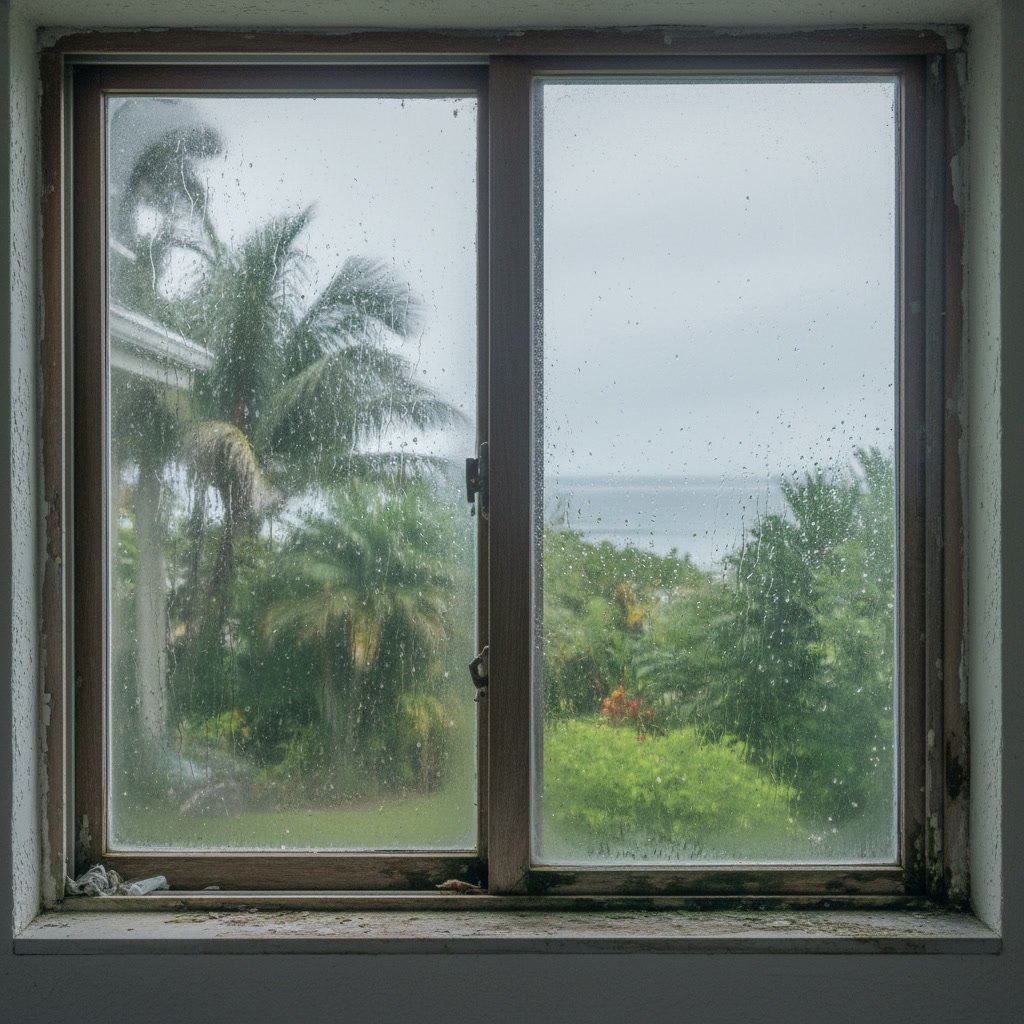
Humidity accelerates material degradation in ways that dry climates rarely experience. Moisture infiltrates tiny gaps around frames, causing wood to swell and rot, metal to corrode, and seals to break down faster. Louisiana’s average relative humidity hovers between 70 and 90 percent year-round, creating constant pressure on window components. When moisture combines with heat, it speeds up chemical reactions that weaken adhesives, paints, and protective coatings.
Condensation forms when warm, moist air meets cooler glass surfaces, especially during air-conditioned summer months. This water buildup can seep into sills, frames, and wall cavities if drainage systems fail. Over time, repeated wet-dry cycles stress materials and create openings for mold, mildew, and insect damage. Quality window replacement products feature enhanced moisture barriers specifically engineered for high-humidity regions.
Understanding Window Lifespan Expectations in Acadia
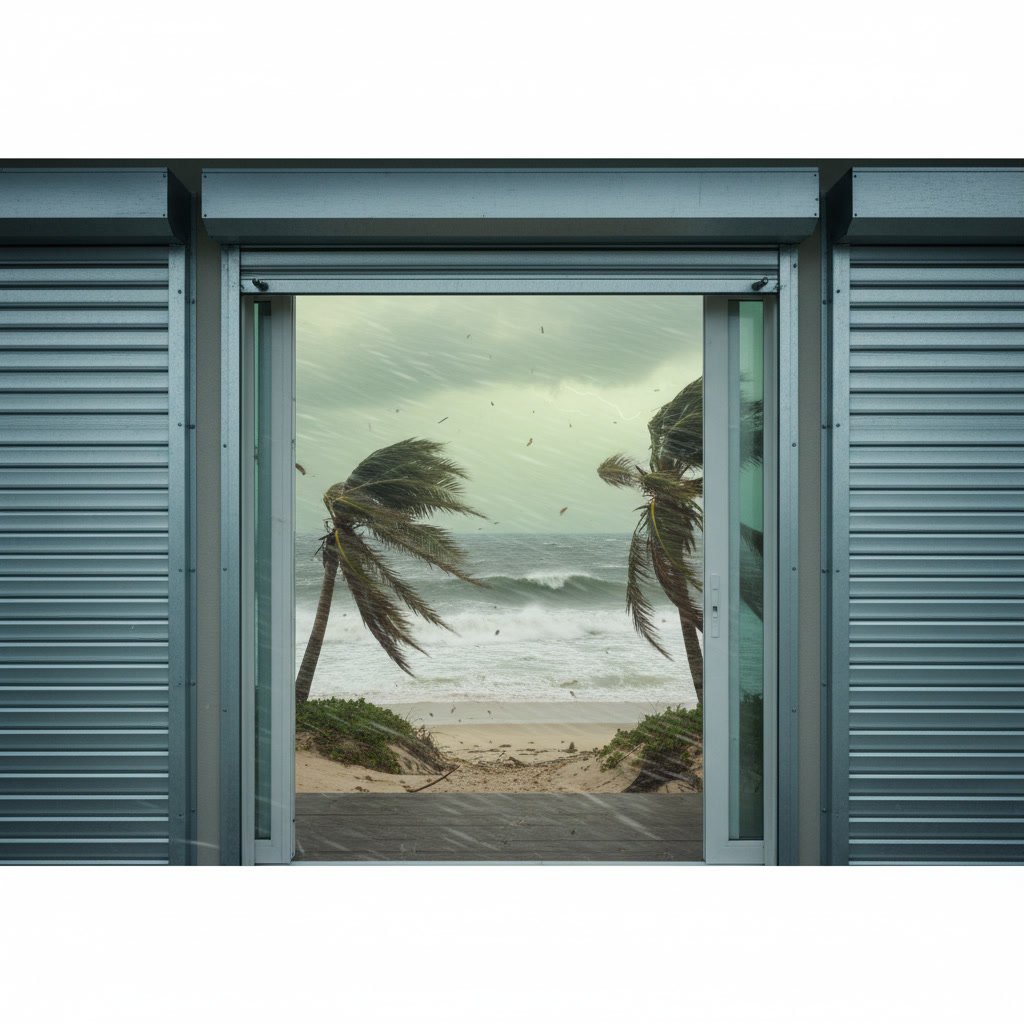
Geographic factors in Acadia and surrounding parishes introduce unique challenges that affect window performance. Coastal proximity brings salt-laden air that corrodes metal hardware and weakens protective finishes. Seasonal storms deliver wind-driven rain that tests seals and flashing. Summer heat pushes temperatures above 95 degrees regularly, expanding materials and stressing joints.
AMERICA’S BEST CHOICE OF Acadiana, LA works with homeowners throughout the region to select windows rated for these specific conditions. Local building codes often require impact-resistant glazing and reinforced frames in hurricane-prone zones. Windows meeting the highest performance standards for water penetration resistance and structural integrity consistently outlast economy-grade alternatives by a decade or more.
Material Choices That Determine Window Life
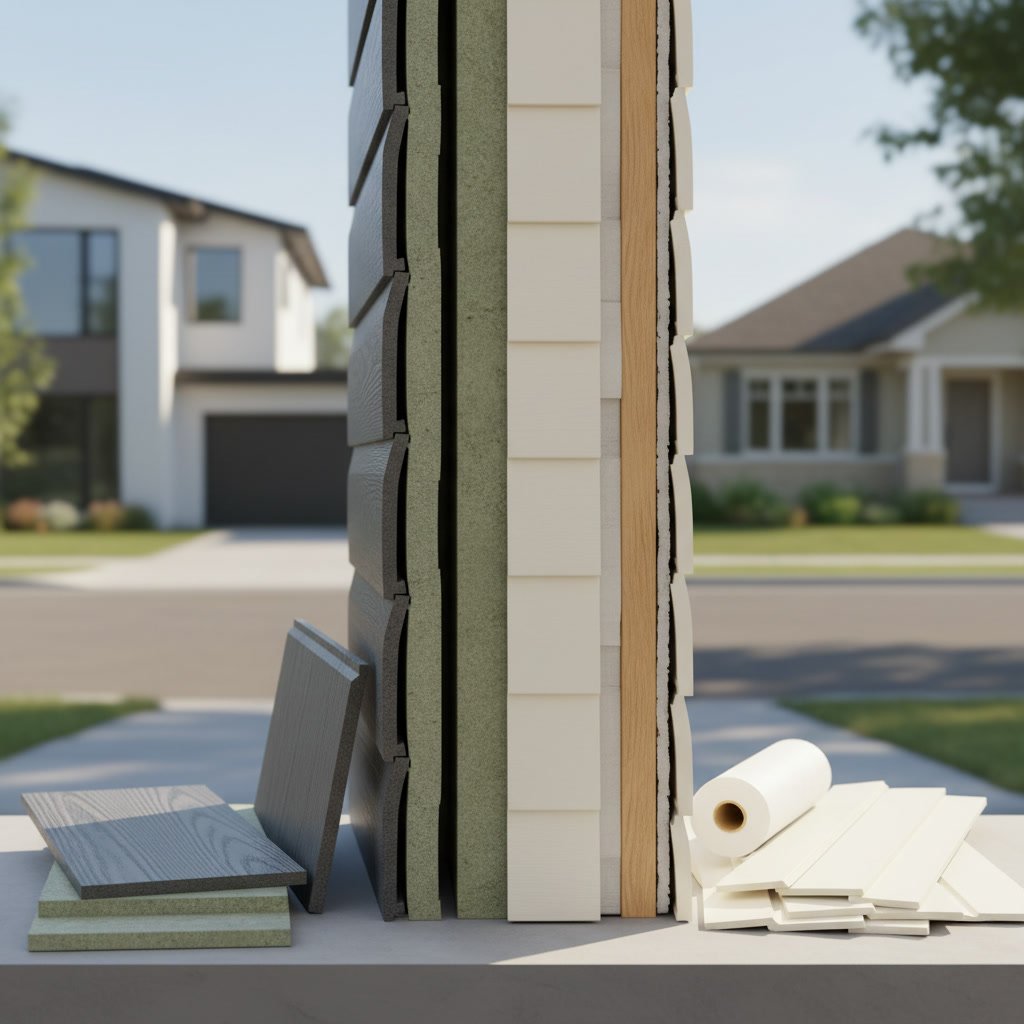
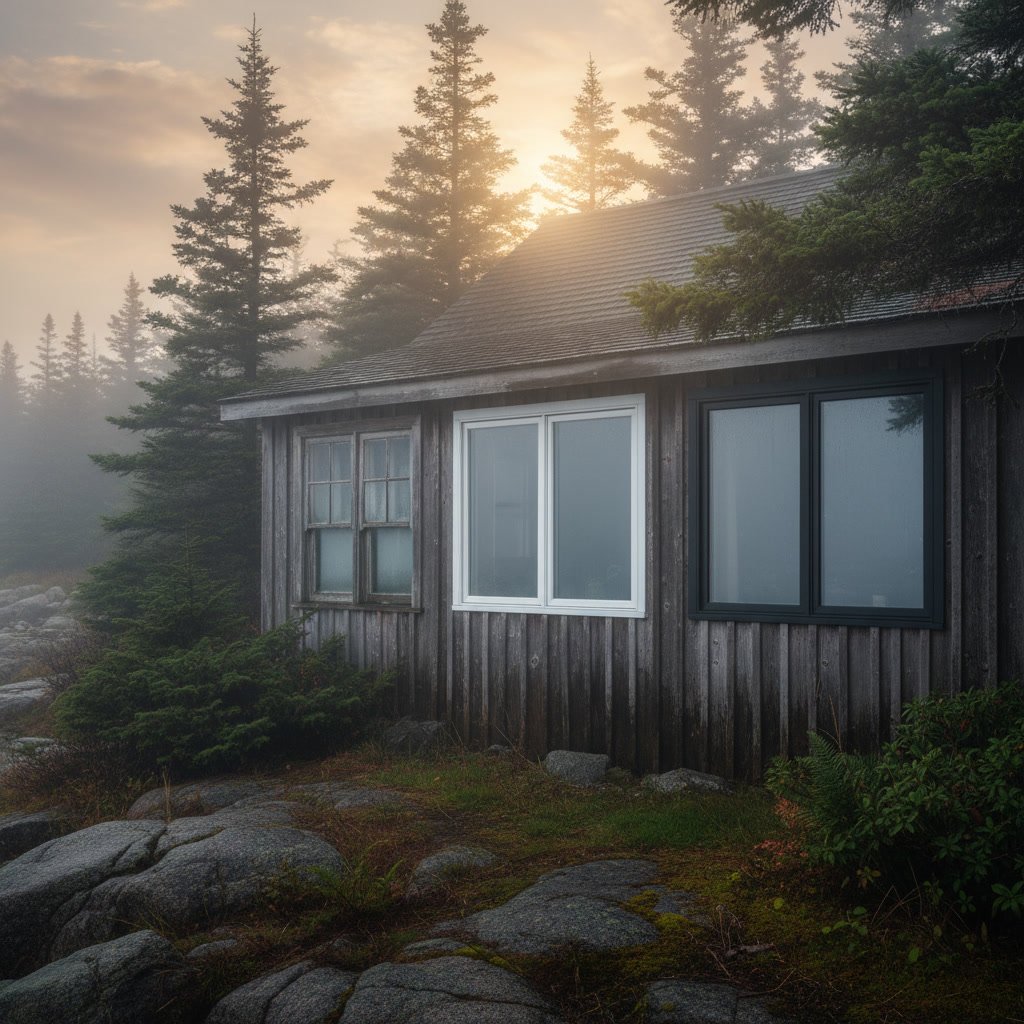
Window frame materials respond differently to constant humidity exposure. Vinyl windows resist moisture penetration completely because the material itself contains no organic compounds for mold or rot. Quality vinyl formulations include UV stabilizers and impact modifiers that prevent brittleness and color fade for 20 to 30 years. Fiberglass frames offer similar moisture resistance with added strength, often lasting 30 years or more in humid climates.
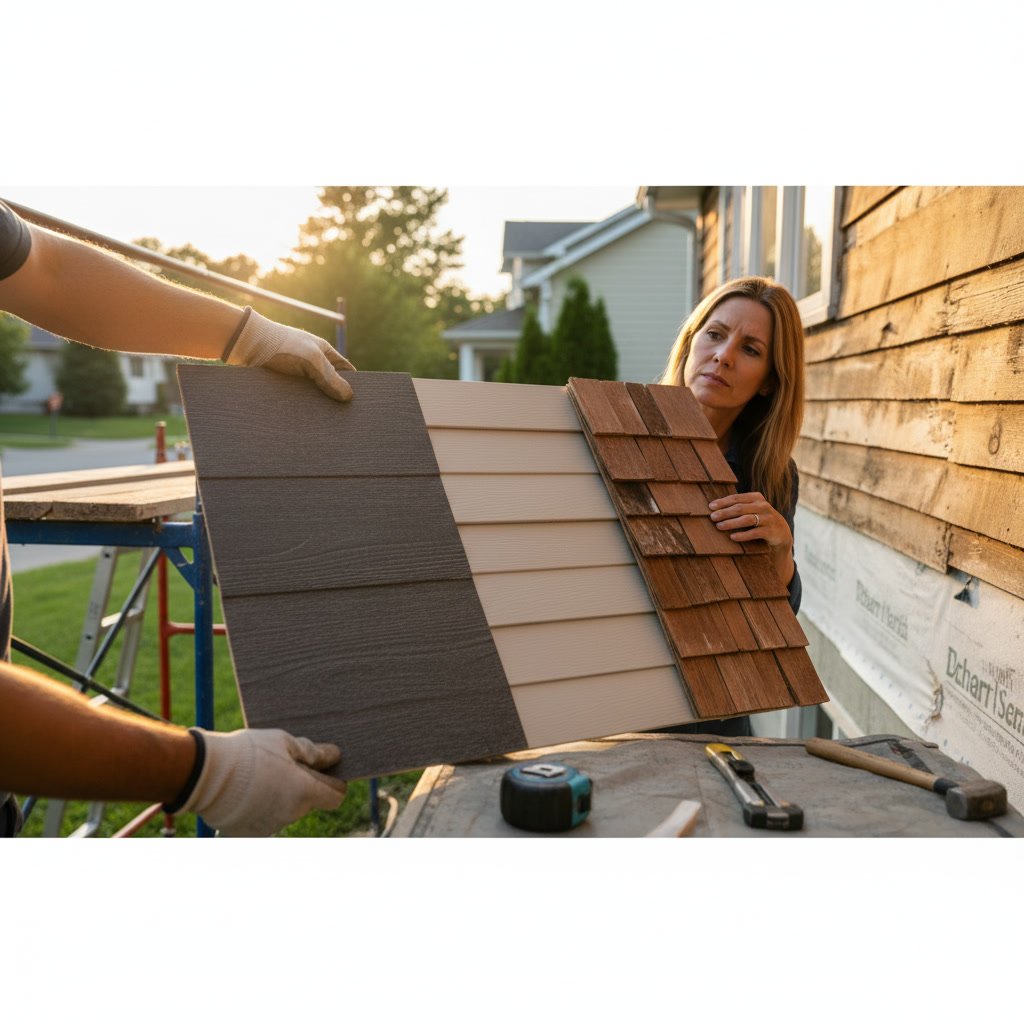
Wood windows require more maintenance but can last 25 to 30 years when properly treated and painted. Clad-wood designs protect vulnerable wood surfaces with aluminum or vinyl exteriors, combining aesthetic appeal with weather resistance. Aluminum frames resist corrosion in humid air but conduct heat efficiently, making them less energy-efficient unless equipped with thermal breaks.
Glass Technology and Seal Durability
The insulated glass unit, not just the frame, determines overall window longevity. Double and triple-pane windows use sealed airspace between glass layers to improve insulation. These seals face constant expansion and contraction as temperatures fluctuate. In humid climates, seal failure shows up as condensation between panes, indicating that moisture has breached the hermetic seal.
Premium windows use warm-edge spacer systems with flexible sealants that accommodate movement without cracking. Low-emissivity coatings reflect infrared energy to reduce heat transfer, but coating quality varies widely. Cheaper coatings can delaminate or discolor within 10 years, while premium metallic coatings maintain clarity and performance for 25 years or longer. When researching window replacement cost in Lafayette LA, remember that seal and coating quality directly impacts long-term value.
Installation Quality Makes or Breaks Lifespan
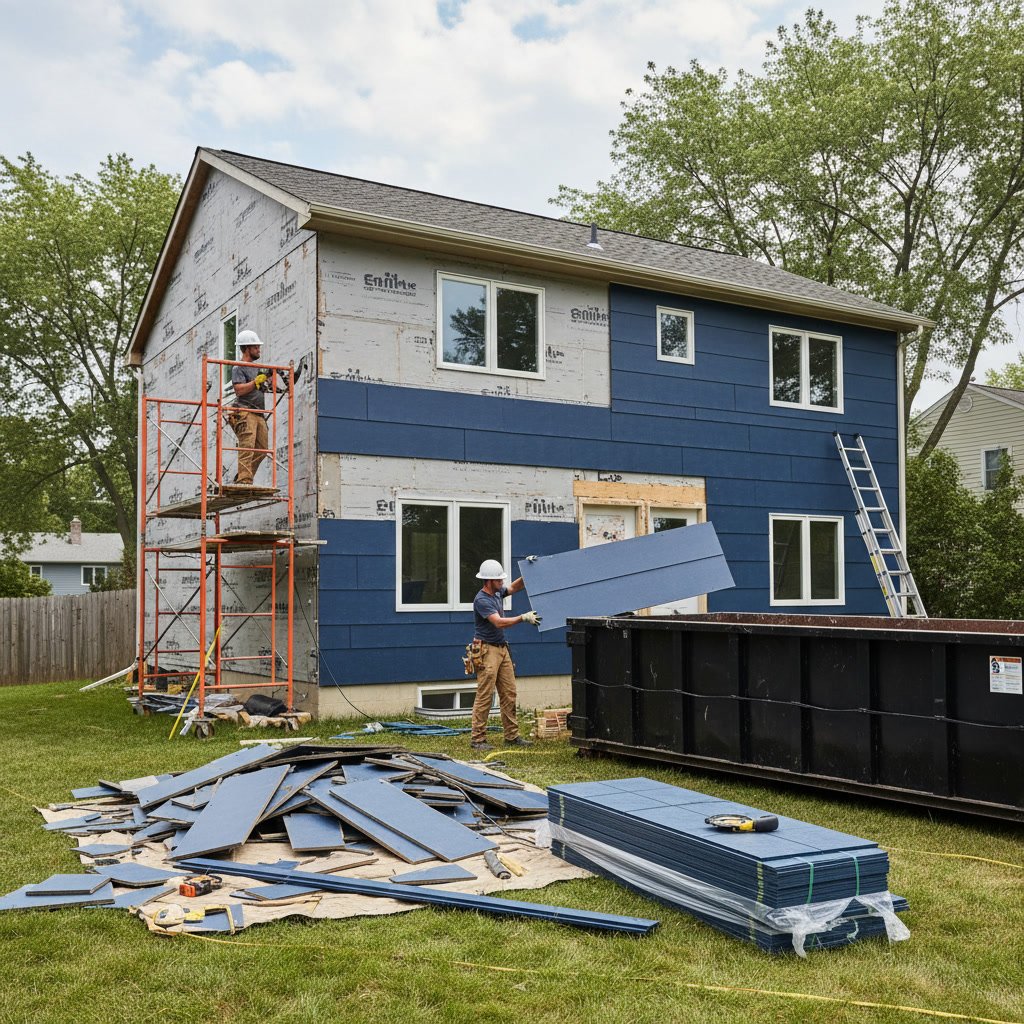
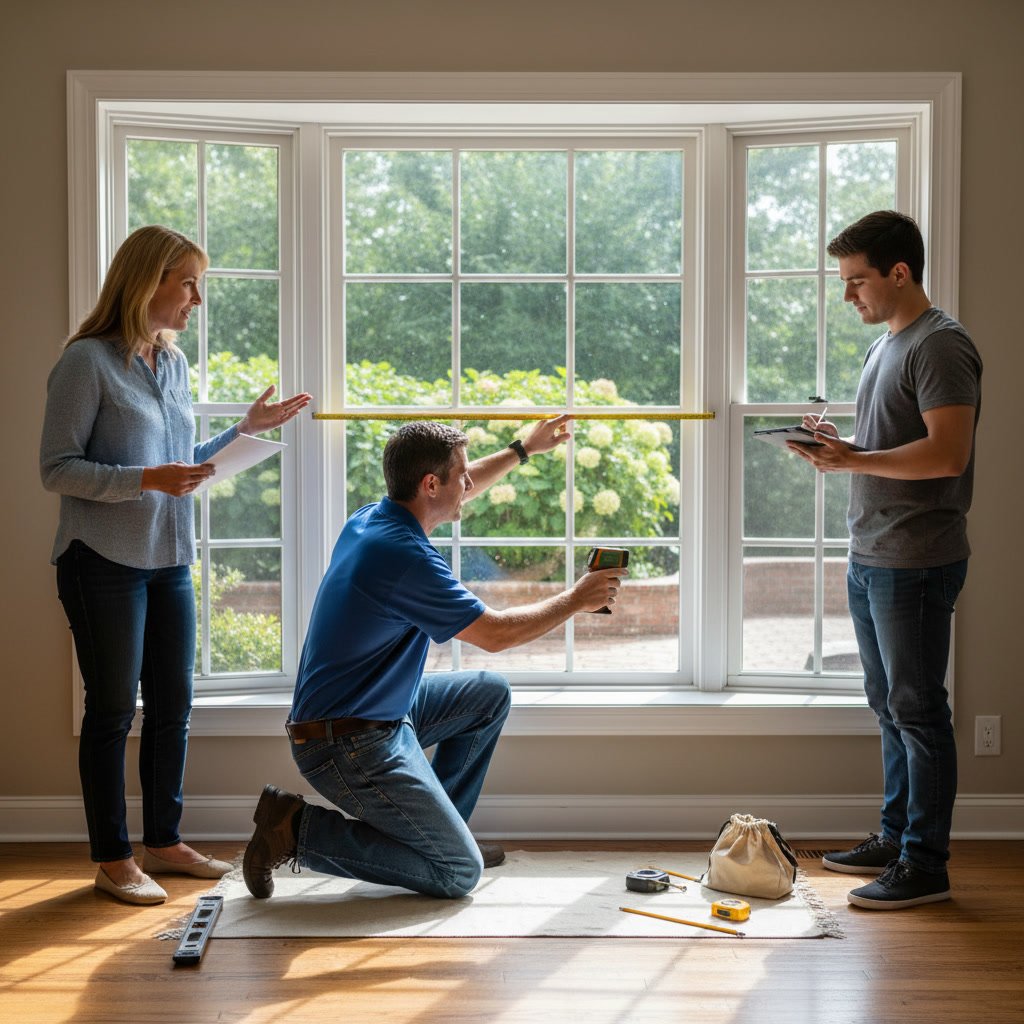
Even the best window fails prematurely if installed incorrectly. Proper installation in humid climates requires meticulous attention to water management. Installers must create a drainage plane behind the window, allowing any water that penetrates the exterior to escape rather than pooling in the wall cavity. Flashing tape applied to the rough opening prevents water intrusion from above.
Shimming and leveling ensure the window operates smoothly without binding or gaps. Expanding foam insulation fills voids around the frame, but over-application can bow frames and prevent proper operation. Professional installers use minimal expanding foam and rely primarily on fiberglass insulation to avoid frame distortion. Poor installation can reduce a 25-year window to 10 years or less through water damage, air leakage, and operational stress.
Comparing Lifespan by Window Type
Different window styles experience wear differently based on moving parts and exposure. Single-hung and double-hung windows contain balance mechanisms and moving sashes that accumulate dirt and moisture. These components typically need adjustment or replacement after 15 to 20 years. Casement windows, which crank open on hinges, feature fewer moving parts but expose hardware to direct weather, potentially requiring crank mechanism replacement after 10 to 15 years.
Fixed windows without operable components last longest because they have no moving parts to wear out. Picture windows and transoms regularly exceed 30 years in service when seal integrity holds. Sliding windows face similar challenges to double-hung units, with rollers and tracks collecting debris that causes binding and premature wear. Bay and bow windows create more complex installation challenges, with multiple seal points and structural connections that require careful waterproofing to achieve full lifespan potential.
Maintenance Practices That Extend Window Life
Regular maintenance adds five to 10 years to window lifespan in humid environments. Clean window tracks and sills every three months to remove dirt and organic debris that holds moisture against frames. Lubricate moving parts annually with silicone-based products rather than petroleum lubricants that attract dust. Inspect weatherstripping and replace it when you notice gaps or compression damage, typically every five to seven years.
Check caulk joints between window frames and siding twice yearly. Caulk deteriorates faster in humid climates due to constant expansion and movement. Remove failed caulk completely before applying fresh beads to ensure proper adhesion. Clean glass and frames with mild soap and water rather than ammonia-based cleaners that can degrade seals and finishes over time. These simple steps prevent small problems from becoming expensive failures.
Warning Signs Your Windows Need Replacement
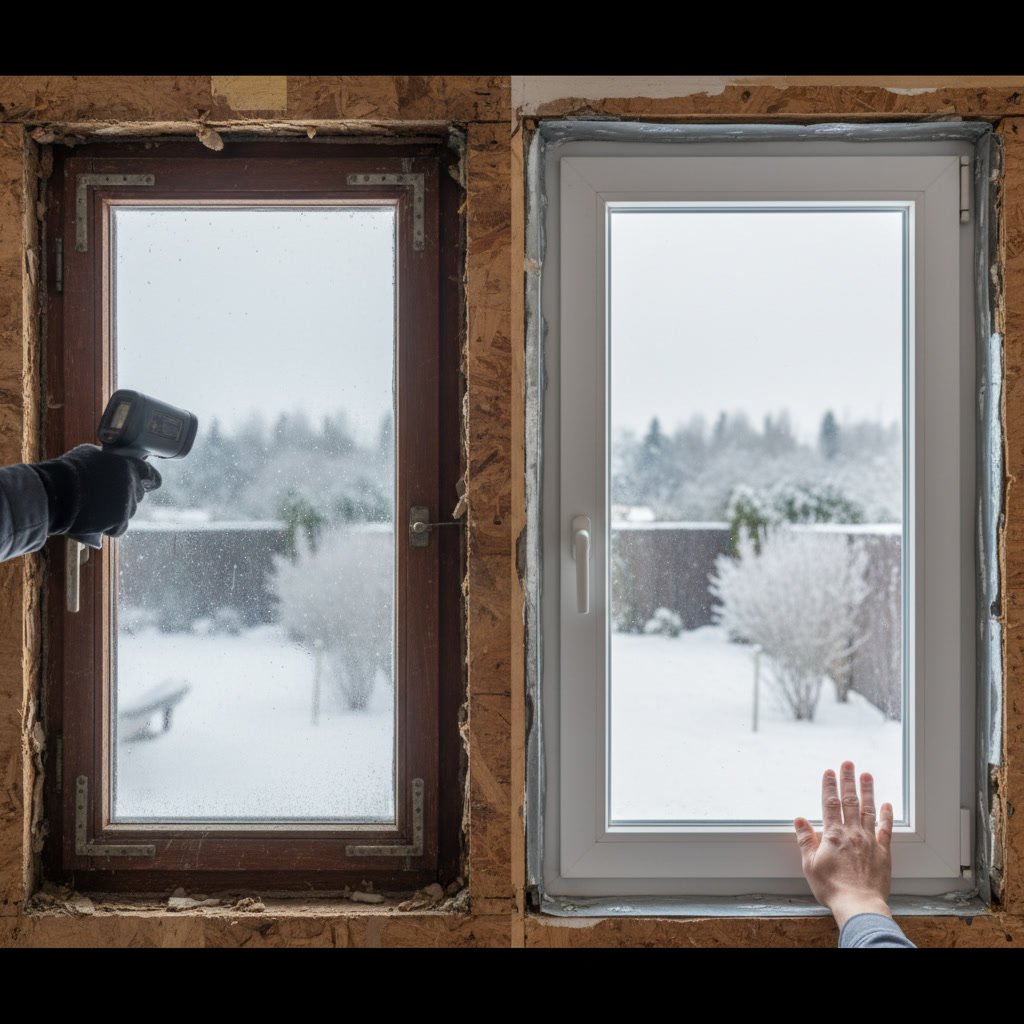
Knowing when windows reach the end of their useful life prevents energy waste and water damage. Visible condensation between glass panes indicates seal failure that cannot be repaired. Difficulty opening or closing windows suggests frame warping or hardware failure. Drafts around closed windows mean weatherstripping has failed or frames have separated from walls.
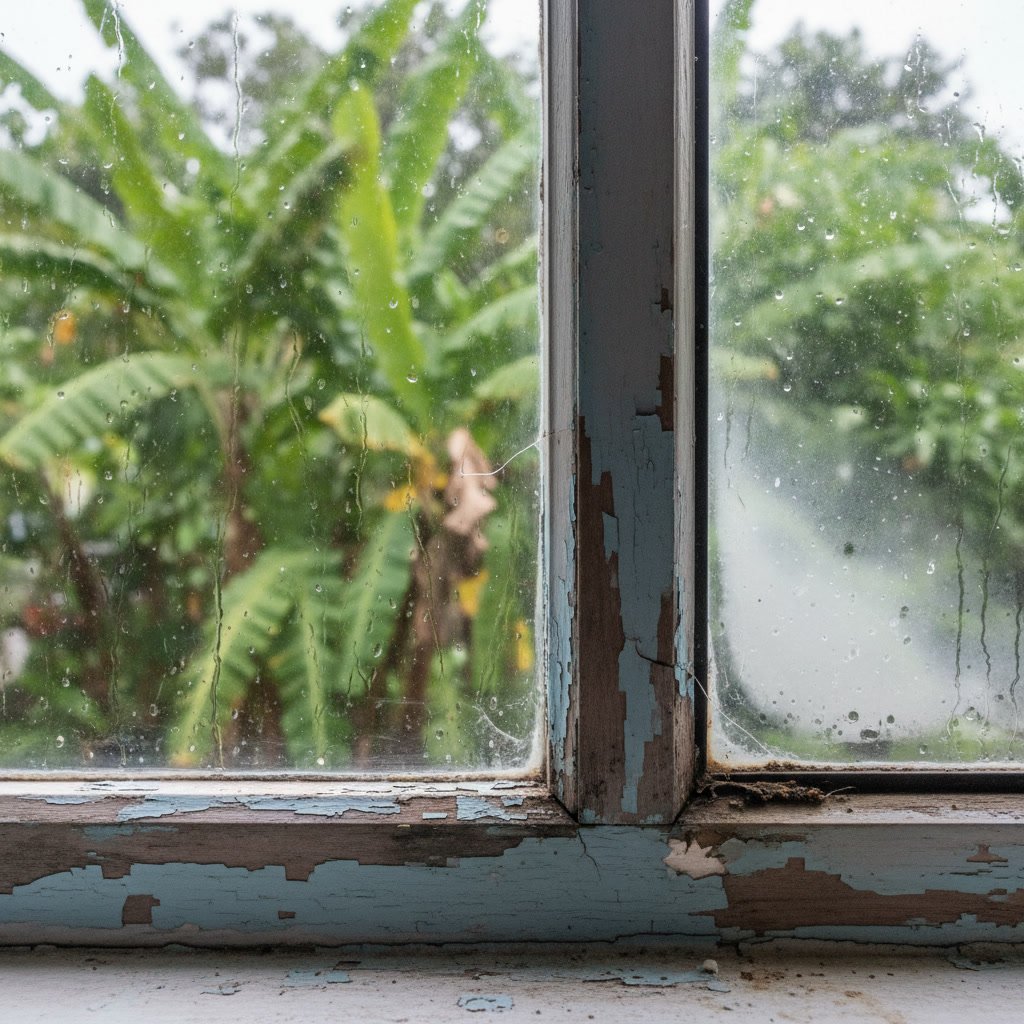
Soft or discolored wood reveals moisture damage and potential structural compromise. Peeling paint or finish on exterior surfaces exposes vulnerable materials to accelerated deterioration. Rising energy bills often correlate with declining window performance as seals and insulation degrade. If you notice multiple warning signs, consulting with professionals about Lafayette area replacement options helps you address problems before they escalate.
Energy Efficiency and Long-Term Performance
Energy-efficient windows maintain performance longer because their advanced engineering addresses the root causes of window failure. Low-E coatings reduce heat transfer that stresses seals and frames. Argon or krypton gas fills between panes slow convection and reduce temperature differentials that cause condensation. Insulated frames with foam cores prevent thermal bridging that creates cold spots where moisture condenses.
Energy Star ratings indicate windows meet strict performance criteria for specific climate zones. South-central climate zone requirements ensure windows perform well in hot, humid conditions with significant cooling loads. Windows engineered for these specifications typically incorporate features that extend lifespan beyond minimum standards. The higher upfront investment in energy-efficient windows returns dividends through lower utility bills and longer replacement intervals.
Cost Considerations and Value Timeline
Balancing initial cost against expected lifespan reveals the true value proposition. A window lasting 15 years at two-thirds the price of a 30-year window costs more over time when you factor in two installation cycles versus one. Labor represents 30 to 40 percent of total replacement cost, so extending window life through quality materials saves substantially.
Premium windows with 25 to 30-year lifespans cost 20 to 40 percent more than builder-grade alternatives lasting 15 to 20 years. The longer timeline also means fewer interruptions, less construction debris, and reduced risk of installation errors. Homeowners exploring options for door replacement alongside windows should apply the same value-over-time analysis to all exterior envelope components.
Making the Right Choice for Your Home
Selecting replacement windows in humid climates requires understanding the interaction between materials, installation, and maintenance. Vinyl and fiberglass frames offer the best moisture resistance with minimal upkeep. Triple-pane glass with low-E coatings and quality spacers protects against seal failure. Professional installation with proper flashing and drainage extends performance regardless of product choice.
Budget constraints make it tempting to compromise on quality, but the humid Louisiana climate punishes shortcuts mercifully. Investing in windows engineered for high-moisture environments and professionally installed to manufacturer specifications delivers decades of reliable service. Regular maintenance catches small problems before they compromise structural integrity or energy performance.
AMERICA’S BEST CHOICE OF Acadiana, LA brings industry expertise and manufacturer partnerships together to help homeowners select windows that deliver maximum lifespan in challenging conditions. The right combination of materials, installation quality, and maintenance practices ensures your replacement windows perform efficiently for 20 to 30 years, protecting your home and investment through countless humid summers and stormy seasons. For guidance on selecting windows built to last in your specific environment, contact our team at +13372642585 to schedule a consultation and receive a detailed assessment of your home’s needs.