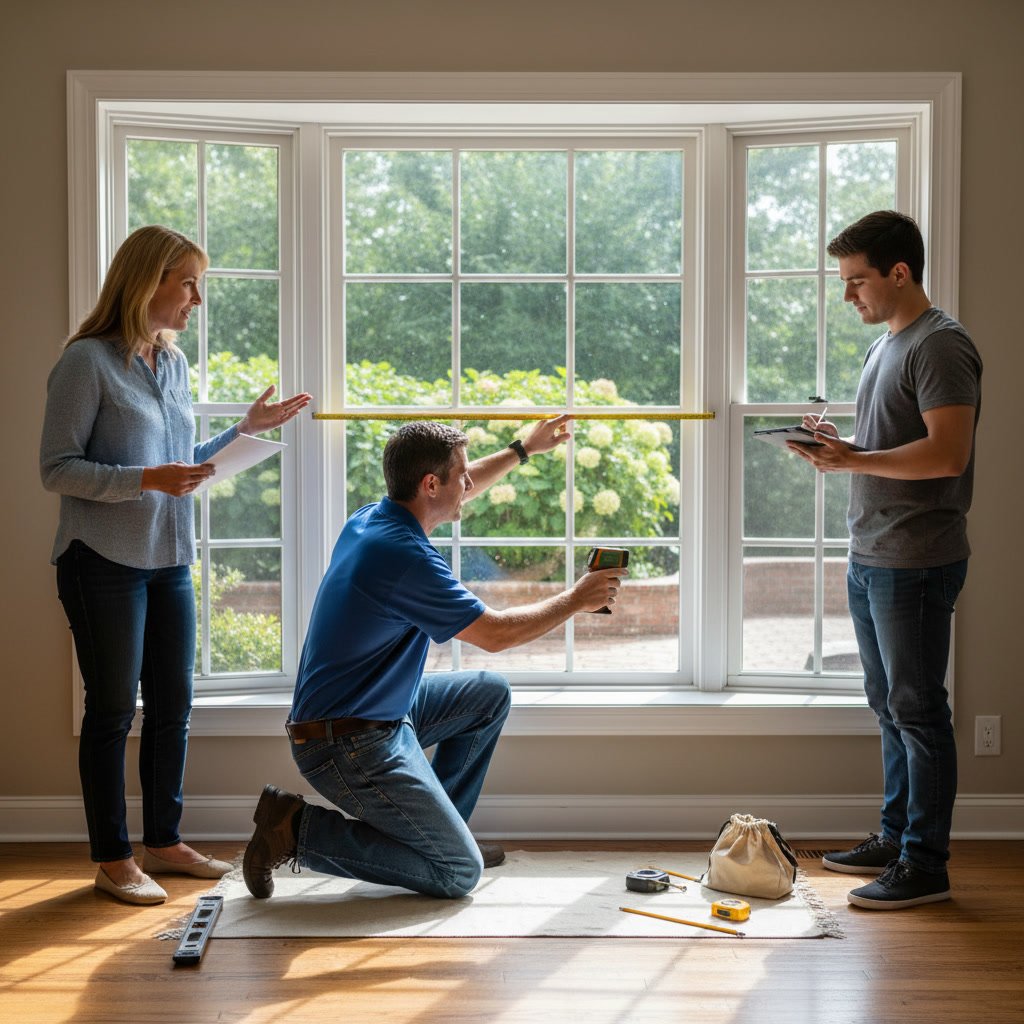
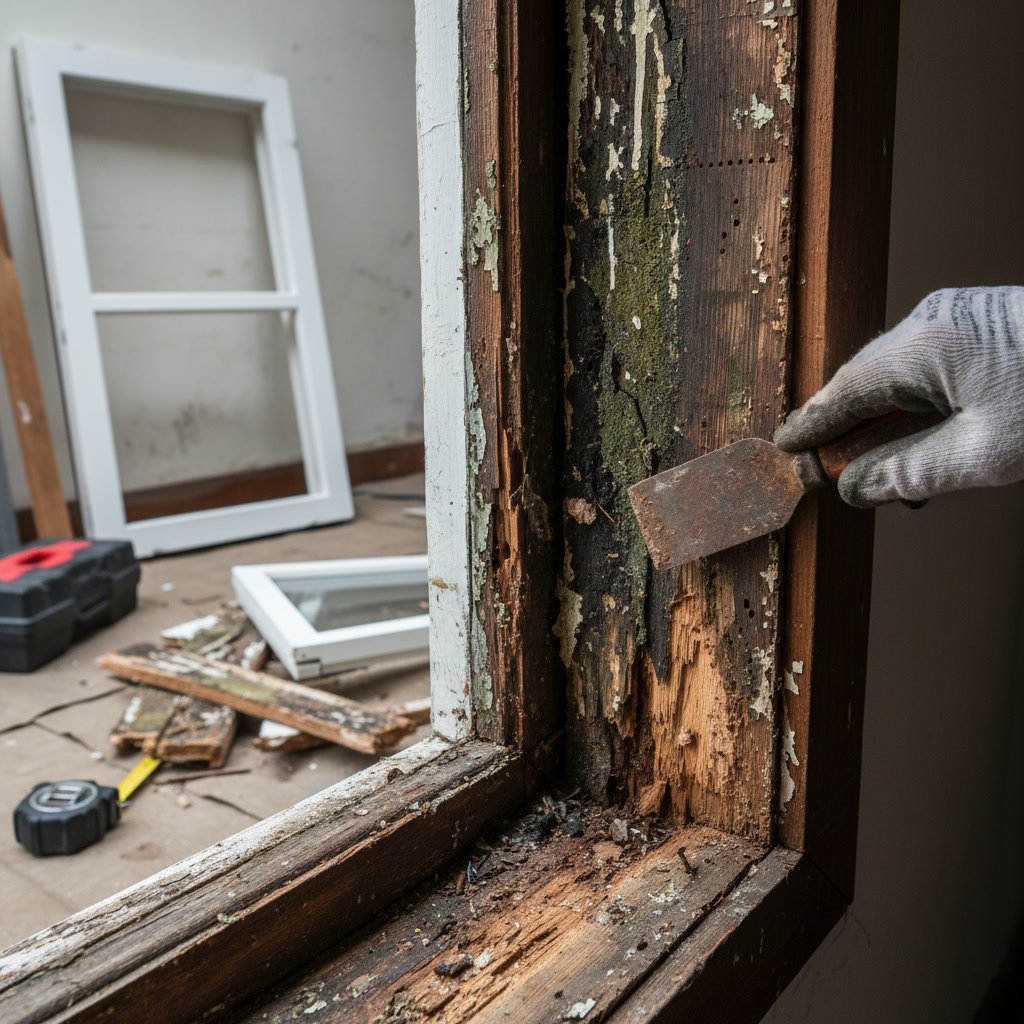
Window frames rotting is a serious issue that can lead to costly structural damage, energy loss, and decreased home value if left unaddressed. Rot typically begins when moisture penetrates wood frames and creates an environment for fungal growth, which breaks down the wood fibers. Early detection saves money and prevents the damage from spreading to your walls, sills, and surrounding structures. Knowing what to look for helps you take action before minor deterioration becomes a major renovation project.
Why Window Frame Deterioration Happens in Louisiana Homes
Louisiana’s climate creates the perfect conditions for wood decay. High humidity levels, frequent rain, and year-round warmth accelerate the breakdown of traditional wood window frames. When water finds its way through cracks in paint or caulking, it saturates the wood underneath. Combined with poor ventilation around window areas, this moisture never fully dries out. The constant wet-dry cycle weakens the wood structure and invites fungal spores that cause rot.
Homes built before 1980 often feature single-pane windows with solid wood frames that lack modern moisture barriers. Even newer windows can develop problems if installation wasn’t done properly or if homeowners neglect routine maintenance. Paint that chips or peels exposes bare wood directly to the elements, while failed weatherstripping allows water to pool in areas designed to stay dry.
Understanding the Different Types of Wood Rot
Two main categories of rot affect window frames: dry rot and wet rot. Despite its name, dry rot requires moisture to start but can spread through seemingly dry wood once established. It appears as dark, brittle sections with cube-like cracking patterns. Wet rot needs continuous moisture and looks softer, darker, and stringy. Both types compromise the structural integrity of your frames, but wet rot is more common in Louisiana because of consistent moisture exposure.
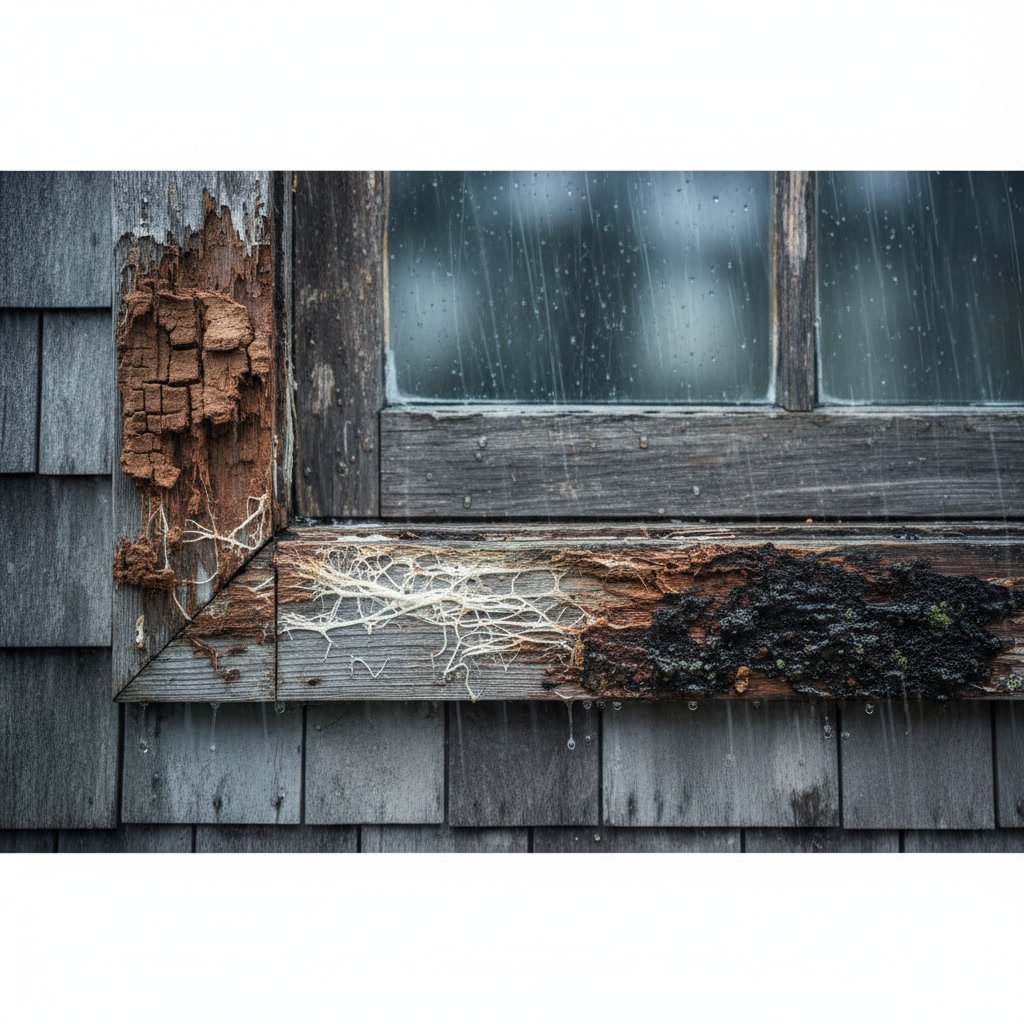
A third concern is cosmetic decay that looks like rot but stems from insect damage or simple weathering. True rot has a distinctive musty smell and causes wood to become spongy or crumbly when pressed. Professional inspection can distinguish between surface damage and deep structural rot that requires immediate window replacement.
Visual Indicators That Your Frames Need Attention
Peeling or bubbling paint on window frames often signals trapped moisture underneath. When water gets between the wood and paint layer, it forces the coating to lift and separate. This damage typically appears on the exterior sill and bottom rail first, since those areas catch the most rain runoff.
Discoloration is another red flag. Dark streaks, black spots, or grayish patches indicate moisture has penetrated deep into the wood. Fresh wood has a consistent color, while rotting wood shows uneven tones and water stains. Check the corners where the frame pieces meet, as these joints trap water and deteriorate faster than flat surfaces.
Visible cracks or splits allow water to enter and accelerate damage. Small hairline cracks may seem minor, but they expand during temperature changes and become highways for moisture infiltration. Any crack wider than a credit card edge deserves immediate attention.
Physical Tests to Confirm Window Frame Rot in Acadia Homes
The screwdriver test provides a simple way to check frame integrity. Press the flat tip of a screwdriver into the wood at suspected problem areas. Healthy wood resists penetration and feels solid. Rotted wood allows the screwdriver to sink in easily, sometimes more than a quarter inch with light pressure. Test the bottom corners of the frame, the sill, and any discolored sections.
Tap the frame with your knuckles and listen to the sound. Solid wood produces a clear, sharp knock. Decayed wood sounds dull and hollow because the internal structure has broken down. This acoustic difference helps identify rot hidden beneath intact paint layers.
Apply gentle pressure with your thumb to questionable spots. Rotted wood feels soft and may compress or crumble under moderate force. If you can leave a dent with just finger pressure, the rot has progressed significantly and replacement is the only viable solution.
Problems with Window Operation and Alignment
Windows that stick, bind, or refuse to open smoothly often have compromised frames. As wood rots, it swells and warps, changing the frame dimensions. A window that once slid easily now requires forceful pushing or pulling. This difficulty worsens in humid weather when rotted wood absorbs even more moisture and expands further.
Gaps between the window sash and frame appear when rot causes structural settling. These spaces let in drafts, insects, and water during storms. You might notice light visible around closed windows or feel air movement when holding your hand near the edges. Gaps wider than the thickness of a dime indicate serious frame deterioration.
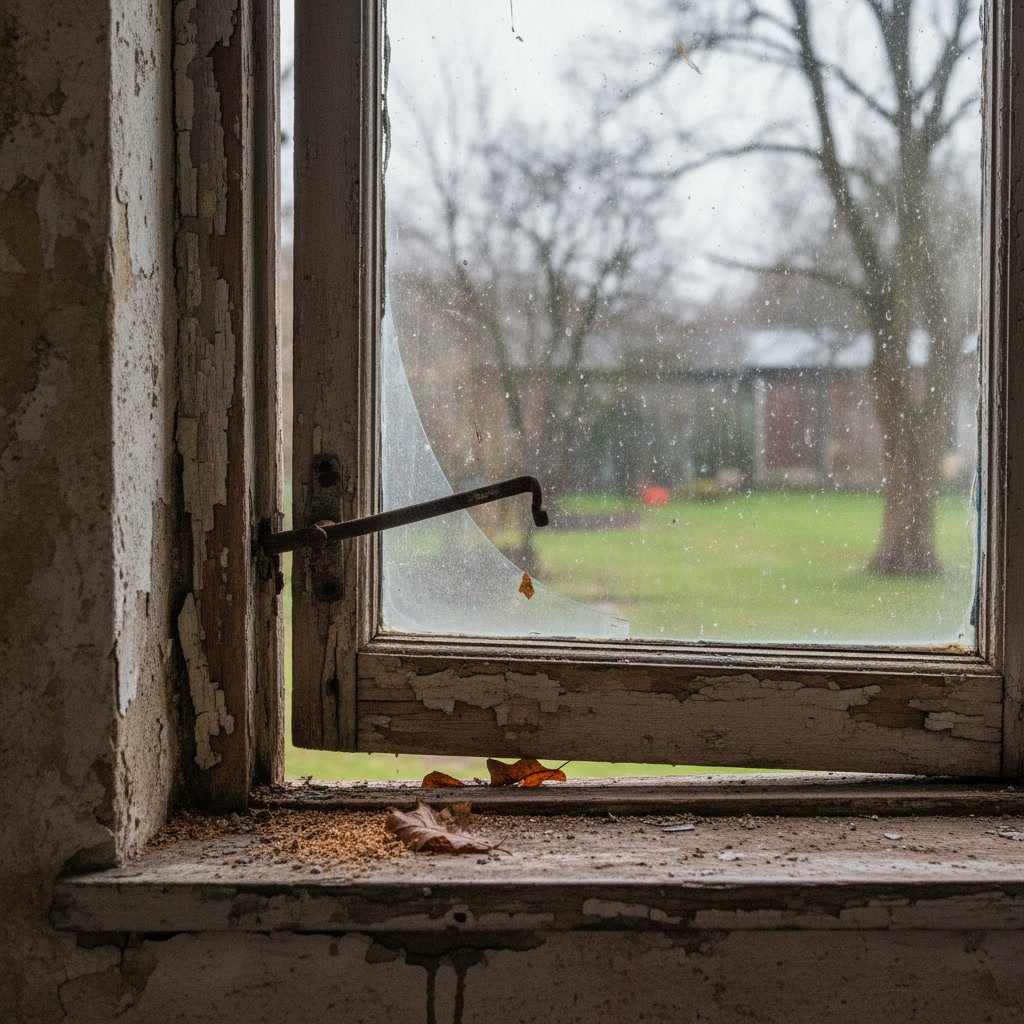
Locks and latches that no longer align properly point to frame distortion. When the mounting points for hardware shift due to rotting wood losing its shape, you can’t secure the window fully. This creates both security vulnerabilities and energy efficiency problems.
Energy Efficiency Changes That Signal Frame Failure
A sudden increase in heating or cooling costs often traces back to failing windows. Rotted frames develop air leaks that force your HVAC system to work harder maintaining comfortable temperatures. Homeowners typically see a 10 to 25 percent jump in energy bills when multiple windows have compromised frames.
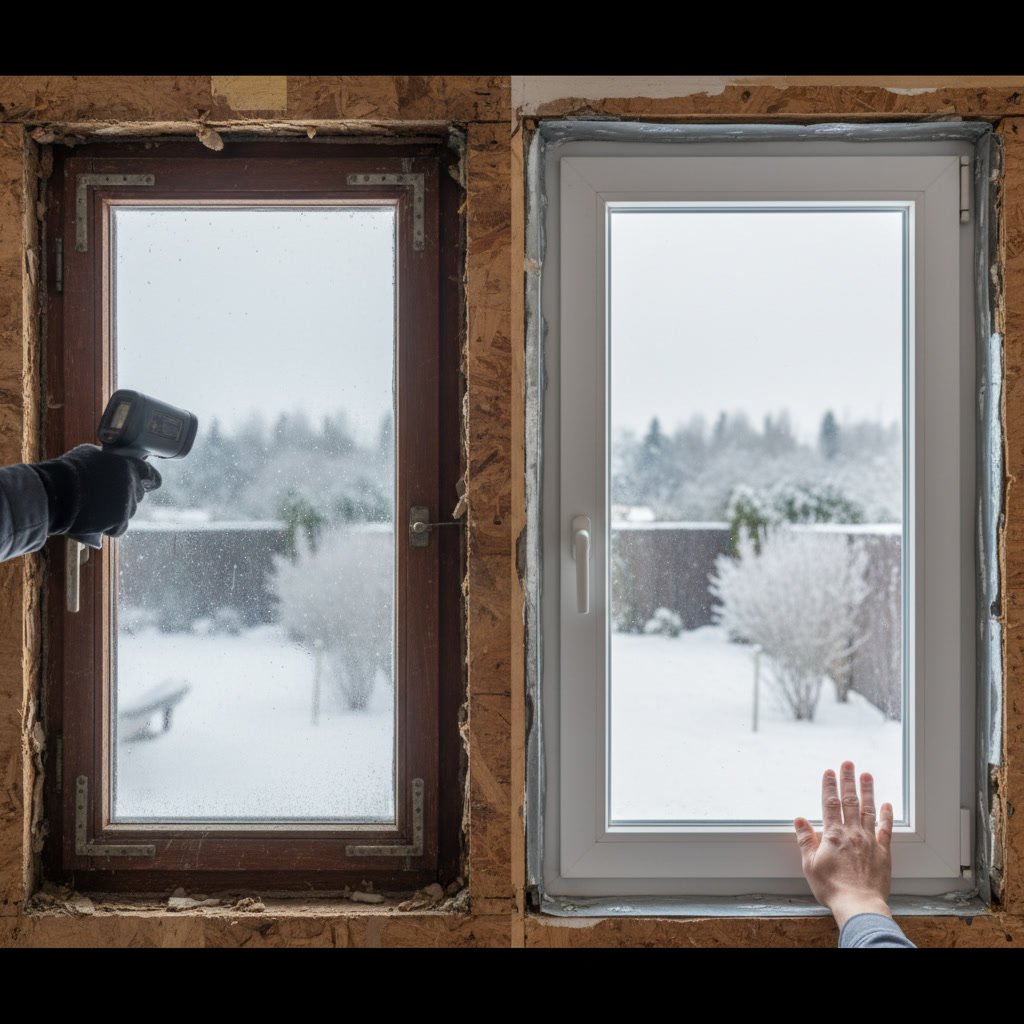
Condensation between window panes means the seal has failed, frequently due to frame deterioration that shifts the glass position. This moisture fogging can’t be wiped away because it forms inside the sealed unit. Once this happens, the window has lost its insulating properties and needs replacement.
Cold spots near windows during winter indicate inadequate insulation from damaged frames. Place your hand six inches from the glass on a cold day. If you feel a noticeable temperature difference compared to other wall areas, air is leaking through compromised frame sections. Similar tests on hot summer days reveal the same infiltration problems.
Water Damage Evidence Around Window Areas
Stains on interior walls near windows reveal water penetration through rotted frames. These marks typically appear as yellowish or brown discoloration on drywall or plaster. Water follows the path of least resistance, so even small frame openings can channel moisture into your walls where it causes hidden damage.
Mold or mildew growth around window trim signals excessive moisture from failing frames. Black, green, or white fuzzy patches thrive where dampness persists. This biological growth poses health risks and indicates that water has been entering through the frame for an extended period.
Soft or spongy drywall adjacent to window frames means water has saturated the wall material. Press gently on the wall surface within 12 inches of the frame. Healthy drywall feels firm and solid. Moisture-damaged drywall gives slightly under pressure and may show surface bubbling or texture changes.
Exterior Warning Signs Visible from Outside
Daylight visible through closed windows when viewed from outside indicates frame separation or rot-related gaps. Walk around your home’s perimeter and examine each window. Any sliver of interior light escaping around the edges means the seal between frame and wall has failed or the frame itself has deteriorated enough to create openings.
Damaged or missing caulk leaves frames vulnerable to moisture intrusion. Caulking should form a continuous, flexible seal between the window frame and siding. Cracked, shrunk, or absent caulk allows water to run directly into the frame structure. Check these seals annually and recaulk as needed, but remember that repeated caulk failure often points to underlying frame rot.
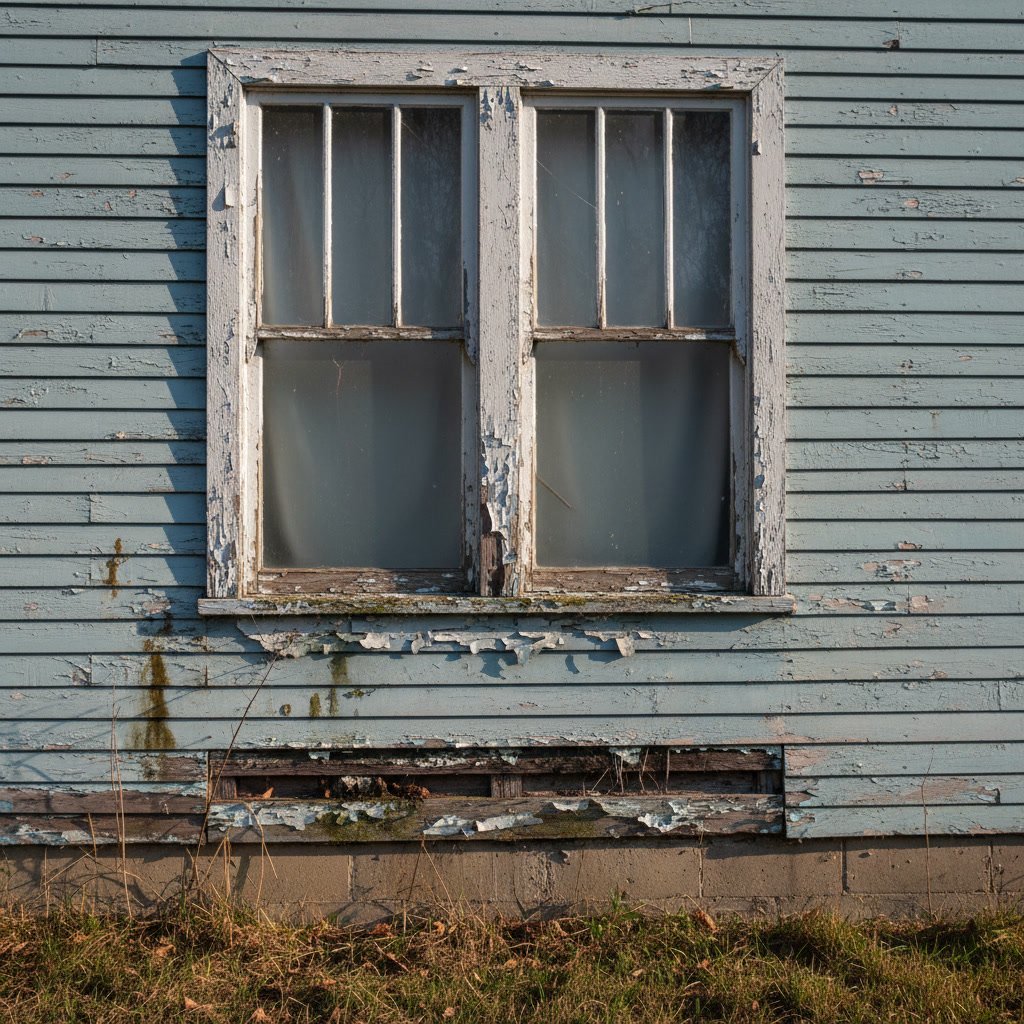
Insect activity near windows suggests wood decay that attracts pests. Carpenter ants, termites, and wood-boring beetles target soft, rotted wood because it’s easier to excavate. Small holes, sawdust piles, or visible insect trails around frames indicate both pest problems and the compromised wood that drew them there.
The Cost Impact of Delaying Replacement
Postponing necessary window replacement leads to exponential cost increases. A single rotted frame caught early might cost $300 to $500 to replace. That same window left untreated for two years can cause wall framing damage, insulation replacement needs, and interior drywall repairs that push total costs above $2,000. The rot spreads from the window frame into surrounding structural members, creating problems that extend far beyond the original issue.
Energy waste from damaged windows adds up quickly. A home with three severely compromised windows can lose $400 to $600 annually in heating and cooling costs. Over five years, that’s $2,000 to $3,000 in wasted energy, enough to have paid for quality replacement windows that would have stopped the losses immediately.
Property value takes a hit when buyers discover rotted windows during home inspections. Real estate professionals report that homes with obvious window problems sell for 3 to 5 percent less than comparable properties with updated, well-maintained windows. For a $250,000 home, that’s a potential $7,500 to $12,500 reduction in sale price. Understanding window replacement costs helps you budget appropriately and avoid these value losses.
When Repair Makes Sense Versus Full Replacement
Minor surface rot limited to small sections of exterior trim can sometimes be repaired using wood hardeners and epoxy fillers. This approach works only when decay hasn’t penetrated more than an eighth of an inch deep and hasn’t reached structural frame members. A skilled carpenter can remove the damaged section, treat the area with fungicide, and rebuild it with durable materials.
Replacement becomes necessary when rot affects the frame structure itself, when multiple sections show decay, or when the window is more than 20 years old. Modern replacement windows offer superior energy efficiency, better security features, and longer lifespans than repaired older units. The investment in new windows pays back through lower energy bills, reduced maintenance needs, and improved home comfort.
Professional assessment determines the best course of action. Experienced contractors can identify whether rot is superficial or structural, estimate remaining window lifespan, and calculate the cost-benefit ratio of repair versus replacement. Most homeowners find that replacement makes better financial sense when damage extends beyond cosmetic issues.
Protecting Your Home with Professional Window Solutions
Addressing rotted window frames protects your largest investment and improves your daily quality of life. Modern replacement windows eliminate drafts, reduce noise, enhance security, and cut energy costs. They also remove the constant worry about water damage spreading through your walls and the ongoing maintenance burden of failing windows.
Choosing the right replacement windows involves considering material durability, energy ratings, warranty coverage, and proper installation techniques. Vinyl and fiberglass frames resist rot completely, while composite materials offer the look of wood without moisture vulnerability. Professional installation ensures proper flashing, sealing, and integration with your home’s weather barrier system.
AMERICA’S BEST CHOICE OF Acadiana, LA brings together industry expertise and quality products to deliver lasting window solutions for homeowners throughout the region. Taking action at the first signs of frame deterioration prevents expensive secondary damage and restores your home’s energy efficiency and comfort. Schedule a free inspection to assess your window condition and explore replacement options that fit your budget and style preferences. Contact our team at +13372642585 to protect your home with professional window replacement services.