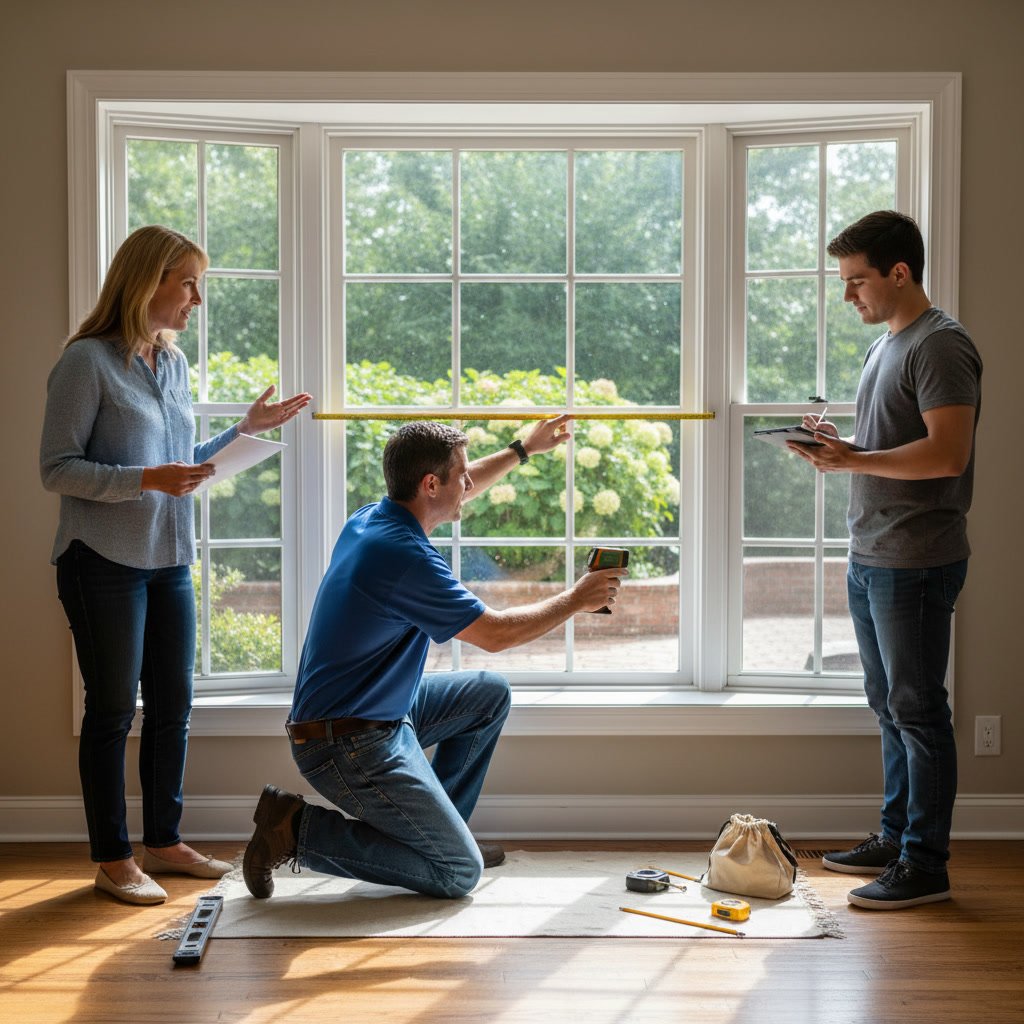

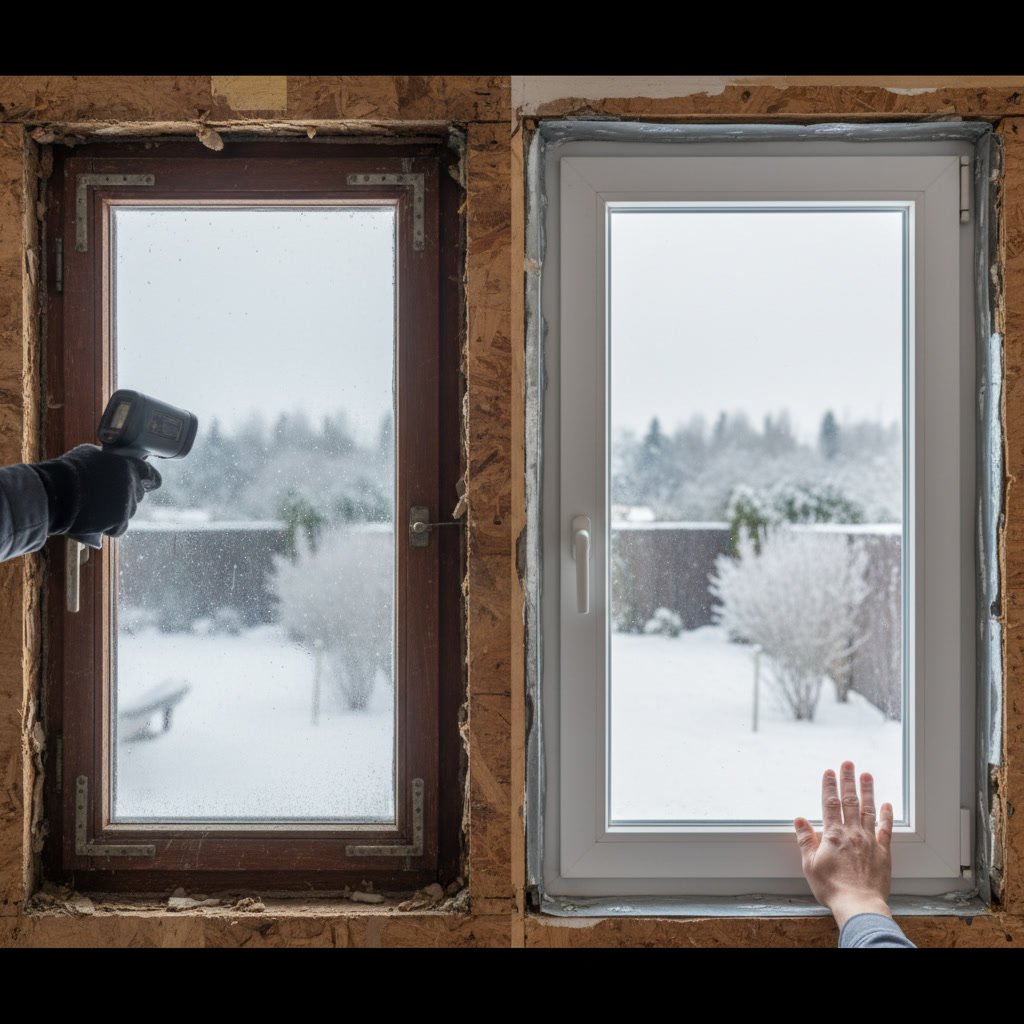
Most homeowners can determine whether their windows are single pane double pane by using a simple flame test, inspecting the glass edge, or examining the window spacer. Single pane windows contain just one layer of glass, while double pane windows feature two glass layers separated by an insulating air or gas space. This distinction significantly impacts energy efficiency, noise reduction, and your utility bills.
Understanding your current window type helps you make informed decisions about repairs, upgrades, and energy savings. The difference between these two window types affects everything from your heating and cooling costs to the comfort level inside your home during Louisiana’s hot summers and occasional cold snaps.
Why Window Pane Count Matters for Your Home
The number of glass panes in your windows directly influences your home’s thermal performance. Single pane windows offer minimal insulation, allowing heat to transfer freely between your indoor and outdoor environments. This means your air conditioning system works harder during summer months and your heater runs longer when temperatures drop.
Double pane windows create a thermal barrier using the space between glass layers. This space is typically filled with air or an inert gas like argon or krypton, which reduces heat transfer by up to 50% compared to single pane windows. The improved insulation translates to lower monthly utility bills and more consistent indoor temperatures throughout your home.
Understanding Window Construction Basics
Single pane windows represent the older standard in residential construction. These windows consist of a single sheet of glass mounted in a frame. You’ll find them in homes built before the 1980s, though some builders continued installing them into the 1990s to reduce construction costs.
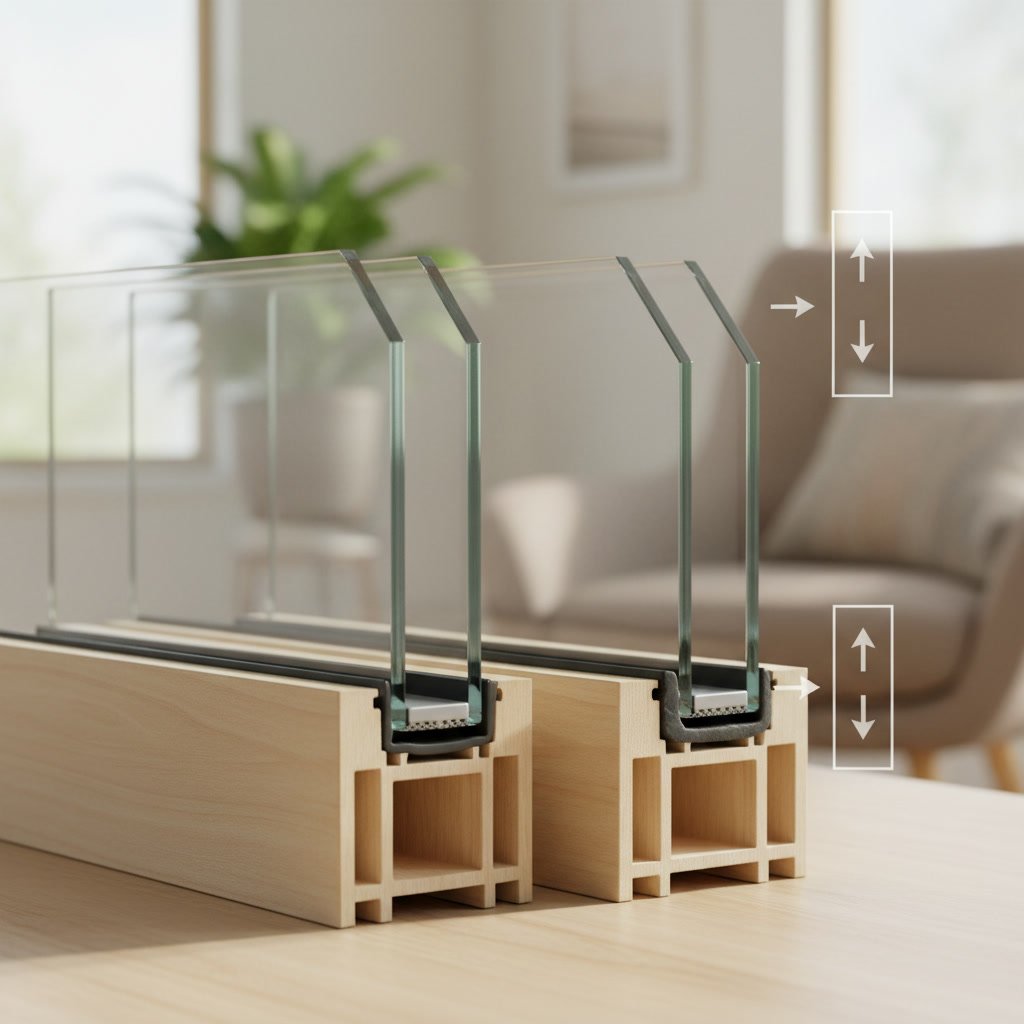
Double pane windows became the industry standard starting in the late 1970s and early 1980s. The construction includes two separate glass panes held in place by a spacer system that maintains consistent separation. The edges are sealed to prevent moisture infiltration and gas leakage. Modern window replacement projects almost exclusively use double or triple pane configurations.
The Flame Test Method
The most reliable visual test involves holding a lit match, lighter, or flashlight against the glass surface in a darkened room. Watch carefully for reflections. A single pane window produces two flame reflections: one from the exterior surface and one from the interior surface of the same piece of glass. These reflections appear very close together and nearly overlap.
Double pane windows create four distinct flame reflections because light bounces off four separate surfaces: the outer face of the exterior pane, the inner face of the exterior pane, the outer face of the interior pane, and the inner face of the interior pane. The first two reflections appear close together, then a noticeable gap, followed by the second pair of reflections. The spacing between the second and third reflections corresponds to the air or gas gap between panes.
Inspecting the Glass Edge and Spacer in Acadiana
Examining your window from the side provides clear evidence of pane count. Single pane windows show just one layer of glass when viewed from an angle at the frame edge. The glass sits directly in the frame channel with minimal depth.
Double pane windows reveal two distinct glass layers separated by a visible spacer bar. This spacer typically appears as a metal or foam strip running along the perimeter between the panes. The overall glass assembly measures much thicker, usually between three-quarters of an inch to one inch total. Many homeowners in Acadiana, LA discover this difference when cleaning windows or inspecting frames for damage.
The Condensation Pattern Test
Where condensation forms on your windows reveals important information about construction. Single pane windows develop condensation on the interior glass surface during humid conditions or when temperature differences between inside and outside air are significant. This happens because the glass temperature closely matches outdoor conditions, causing indoor humidity to condense directly on the accessible surface.
Double pane windows rarely show condensation on interior surfaces when functioning properly. If you notice moisture between the glass layers, the seal has failed and the insulating gas has escaped. This seal failure eliminates the thermal benefits and indicates the window needs replacement. Condensation appearing exclusively on the exterior surface during certain weather conditions is normal and actually demonstrates that the window is properly insulating your home.
Touch Temperature Comparison
The glass surface temperature provides another diagnostic clue. On a hot summer day, carefully touch the interior surface of your window glass. Single pane glass feels noticeably warm or even hot because heat transfers directly through the single layer. The glass temperature closely mirrors outdoor conditions.
Double pane windows maintain a cooler interior surface temperature even during extreme heat. The insulating air gap prevents direct heat transfer, so the interior pane stays closer to your indoor air temperature. This same principle applies during winter when single pane glass feels cold to the touch while double pane windows remain warmer on the interior surface.
Measuring Window Thickness
If you can access the window edge where glass meets frame, measure the total glass thickness. Single pane windows typically measure between one-eighth and one-quarter inch thick. The measurement represents just one piece of glass plus any glazing compound.
Double pane windows measure significantly thicker, usually three-quarters to one full inch when you include both glass panes and the spacer. Some modern energy-efficient models reach 1.25 inches thick. You can often gauge thickness by opening the window and looking at the frame channel depth or by measuring at the sash edge where glass is visible.
Sound Transmission Differences
The noise reduction performance differs dramatically between window types. Single pane windows provide minimal sound barrier, allowing traffic noise, lawn equipment, and neighborhood sounds to penetrate easily. You can often hear conversations happening outdoors through closed single pane windows.
Double pane windows reduce outside noise by 20 to 30 decibels compared to single pane construction. The air space between panes disrupts sound wave transmission, creating a quieter indoor environment. If your home suffers from excessive noise pollution despite closed windows, you likely have single pane glass. Upgrading to modern double pane units addresses this issue while improving energy efficiency, which explains why many homeowners research window replacement costs after identifying their current window type.
Age and Building Code Indicators
Your home’s construction date offers strong clues about window type. Most houses built before 1980 originally had single pane windows throughout. Energy codes beginning in the late 1970s started requiring improved window performance, though enforcement varied by jurisdiction and building type.
Homes constructed after 1990 almost certainly have double pane windows as original equipment. However, previous owners may have replaced windows at different times, creating a mix of single and double pane units throughout the same house. Additions built onto older homes sometimes feature different window types than the original structure. Checking building permits or renovation records can reveal when windows were last updated.
When to Consider Upgrading Your Windows
Identifying single pane windows in your home signals an opportunity for significant energy savings. AMERICA’S BEST CHOICE OF Acadiana, LA has found that homeowners replacing single pane windows with modern double pane units typically reduce heating and cooling costs by 25 to 40% depending on home size and climate control usage patterns.
Beyond energy savings, upgraded windows improve comfort by eliminating cold spots near windows during winter and reducing heat gain during summer. Enhanced noise reduction creates a more peaceful indoor environment. Modern windows also add property value and curb appeal. If your inspection reveals window frame damage alongside single pane construction, replacement becomes even more beneficial as you address multiple issues simultaneously.
Making the Right Choice for Your Home
Now that you can confidently identify your window type, you understand how this affects your home’s performance and your monthly expenses. Single pane windows represent outdated technology that costs money every time your heating or cooling system runs. Double pane windows provide proven energy savings, comfort improvements, and noise reduction that benefit your household daily.
Taking the time to inspect your windows room by room helps you prioritize which areas need attention first. Rooms with the most sun exposure, primary living spaces, or bedrooms often deliver the greatest improvement when upgraded to high-performance double pane units.
Whether your inspection revealed single pane windows throughout your home or just in certain rooms, AMERICA’S BEST CHOICE OF Acadiana, LA provides expert guidance on energy-efficient replacement options tailored to your specific needs and budget. Our team helps homeowners throughout the region upgrade to modern, high-performance windows that reduce utility bills and improve comfort year-round. Contact us at +13372642585 to schedule a free consultation and learn how new windows can benefit your home.