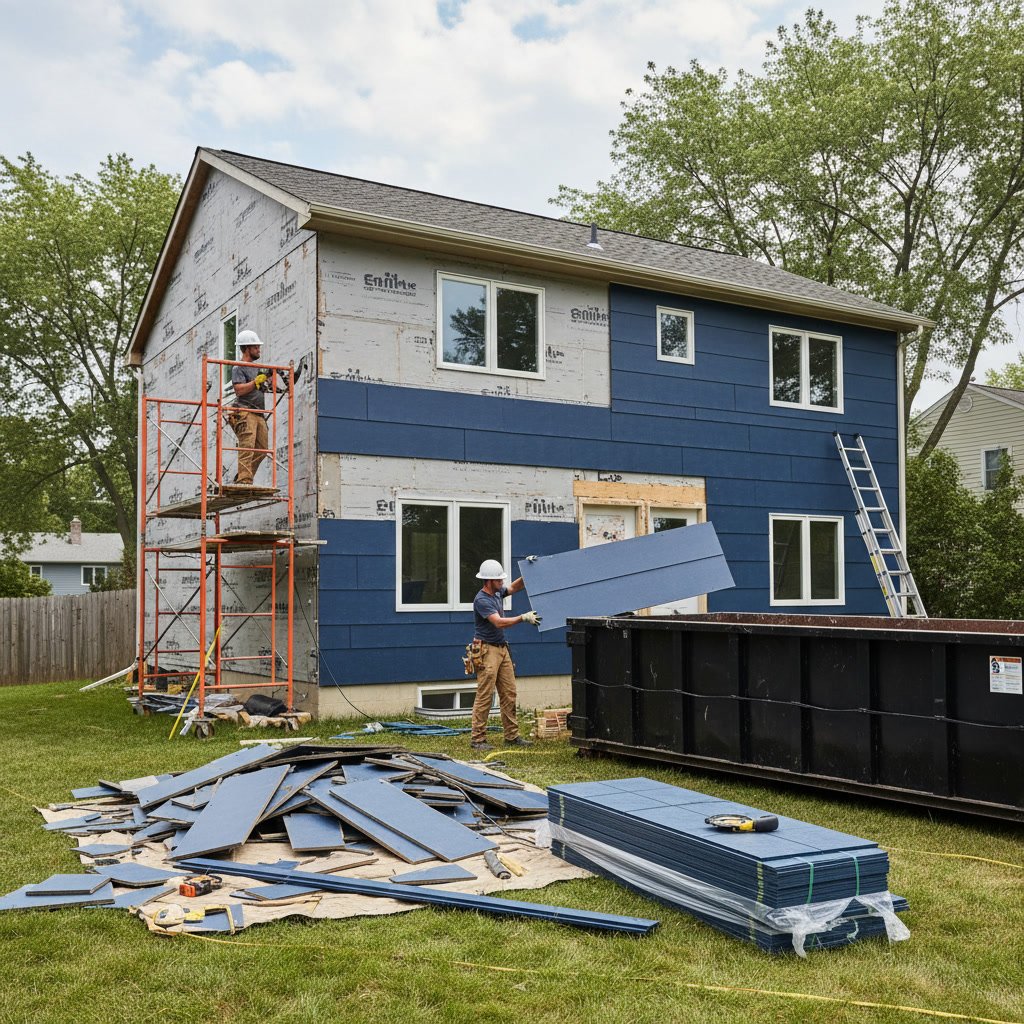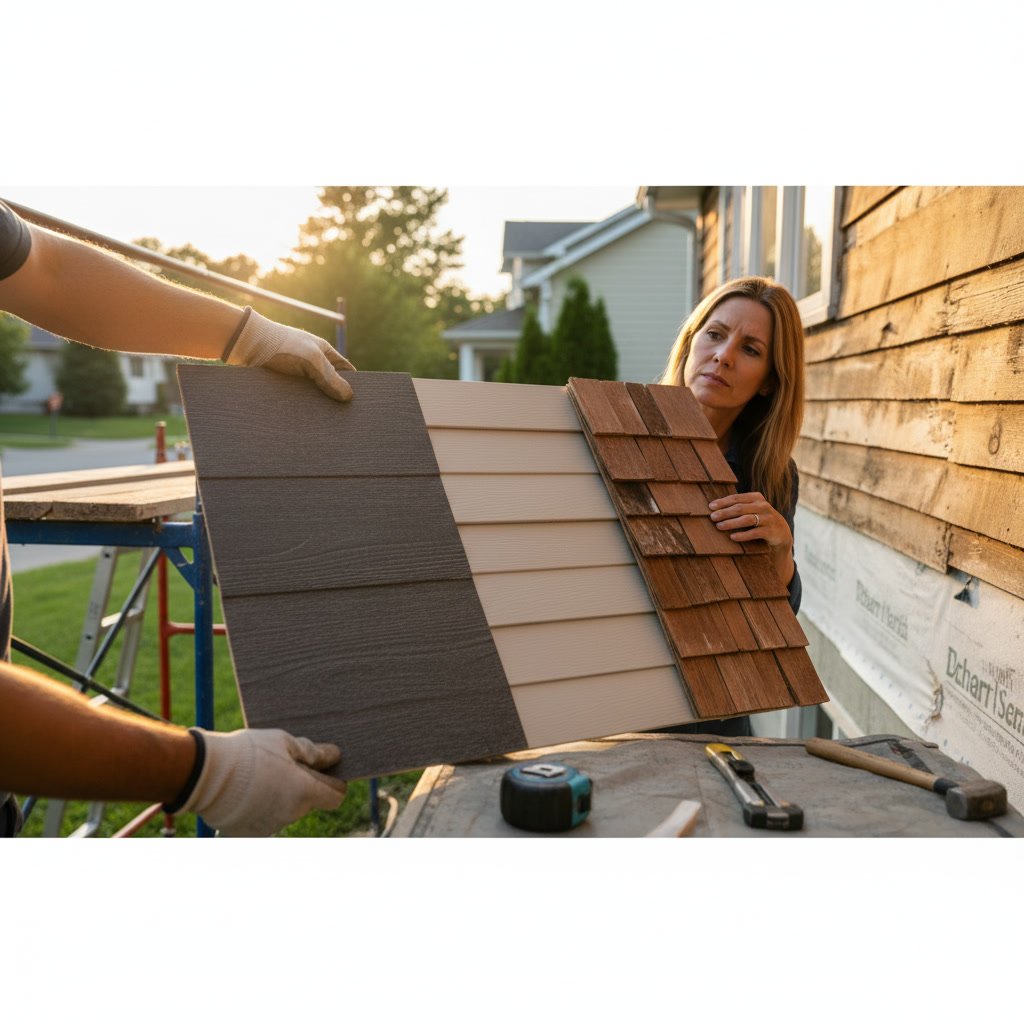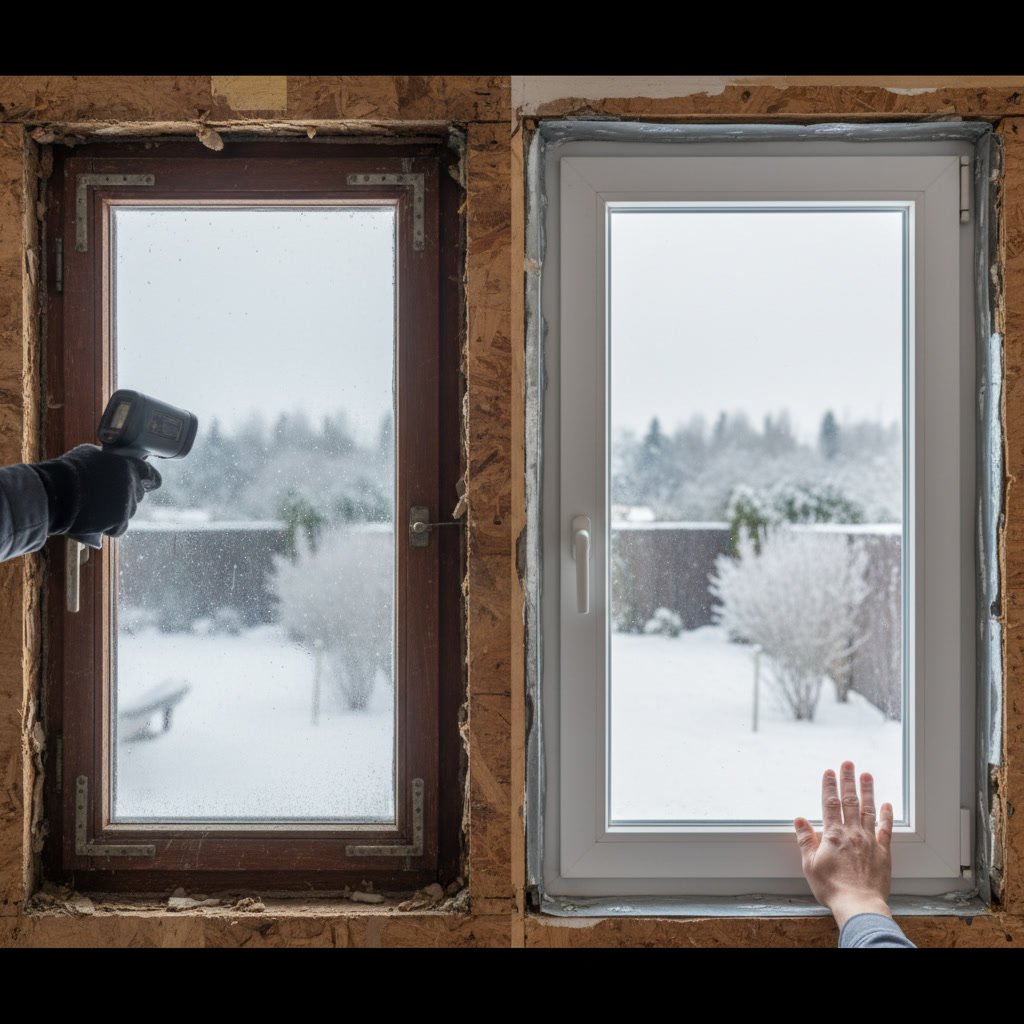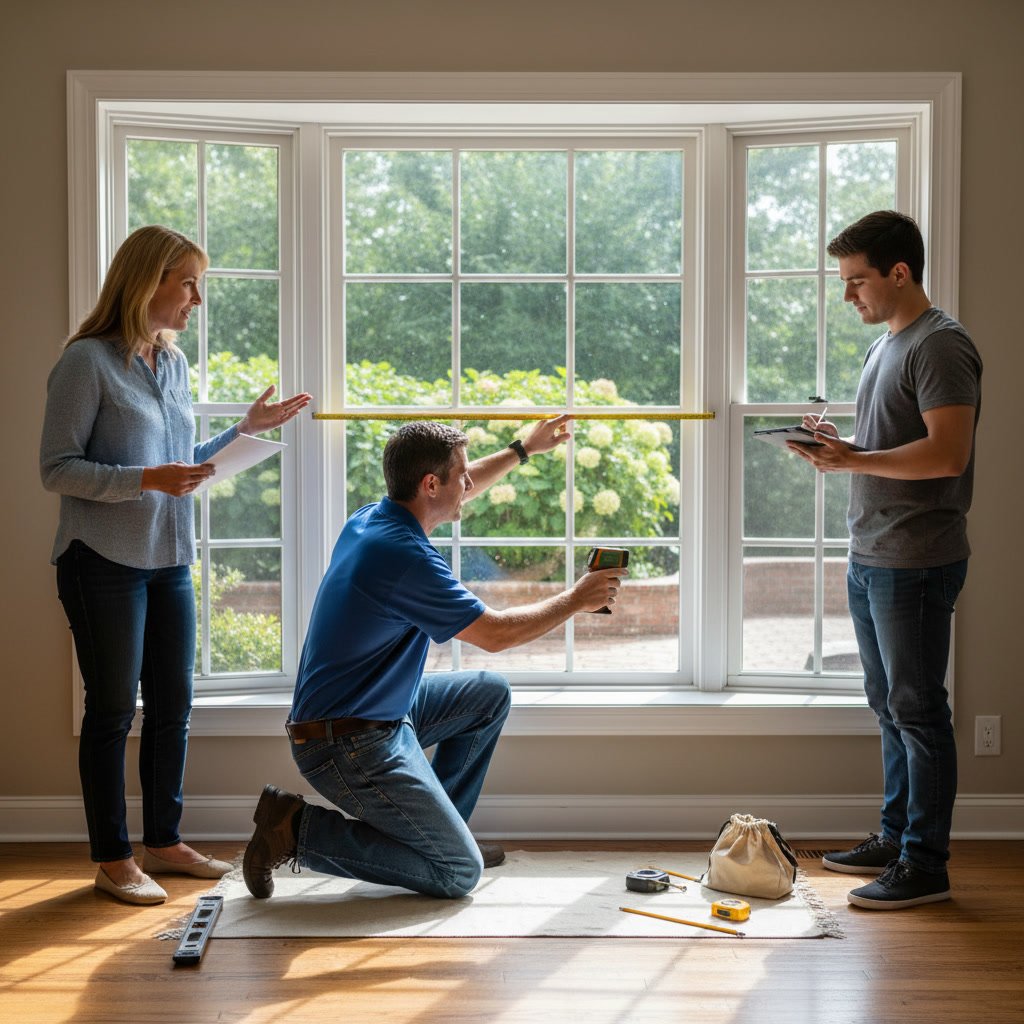
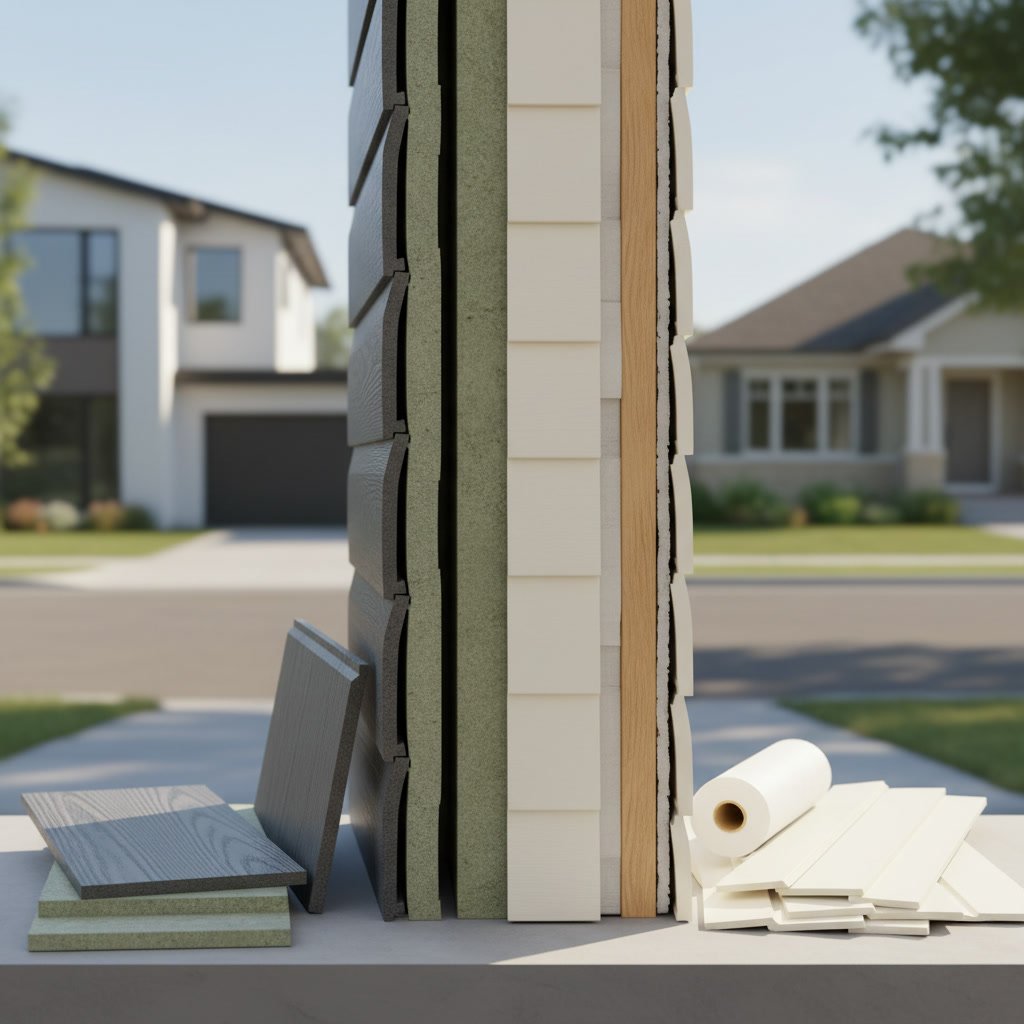
When comparing insulated siding vs vinyl, the primary difference lies in the foam backing bonded to insulated panels, which provides added thermal resistance. Traditional vinyl siding offers weather protection and curb appeal but lacks integrated insulation. Insulated vinyl delivers higher energy efficiency through reduced heat transfer, typically adding R-2 to R-5 to your wall assembly. The choice between the two depends on your home’s current insulation, your climate zone, and how much you value lower heating and cooling bills over initial material costs.
How Louisiana’s Climate Affects Your Siding Choice
Louisiana homeowners face unique challenges with heat and humidity that directly impact siding performance. Summer temperatures regularly exceed 90 degrees, and high humidity levels stress cooling systems year-round. Your siding acts as the first line of defense against outdoor heat trying to penetrate your living space.
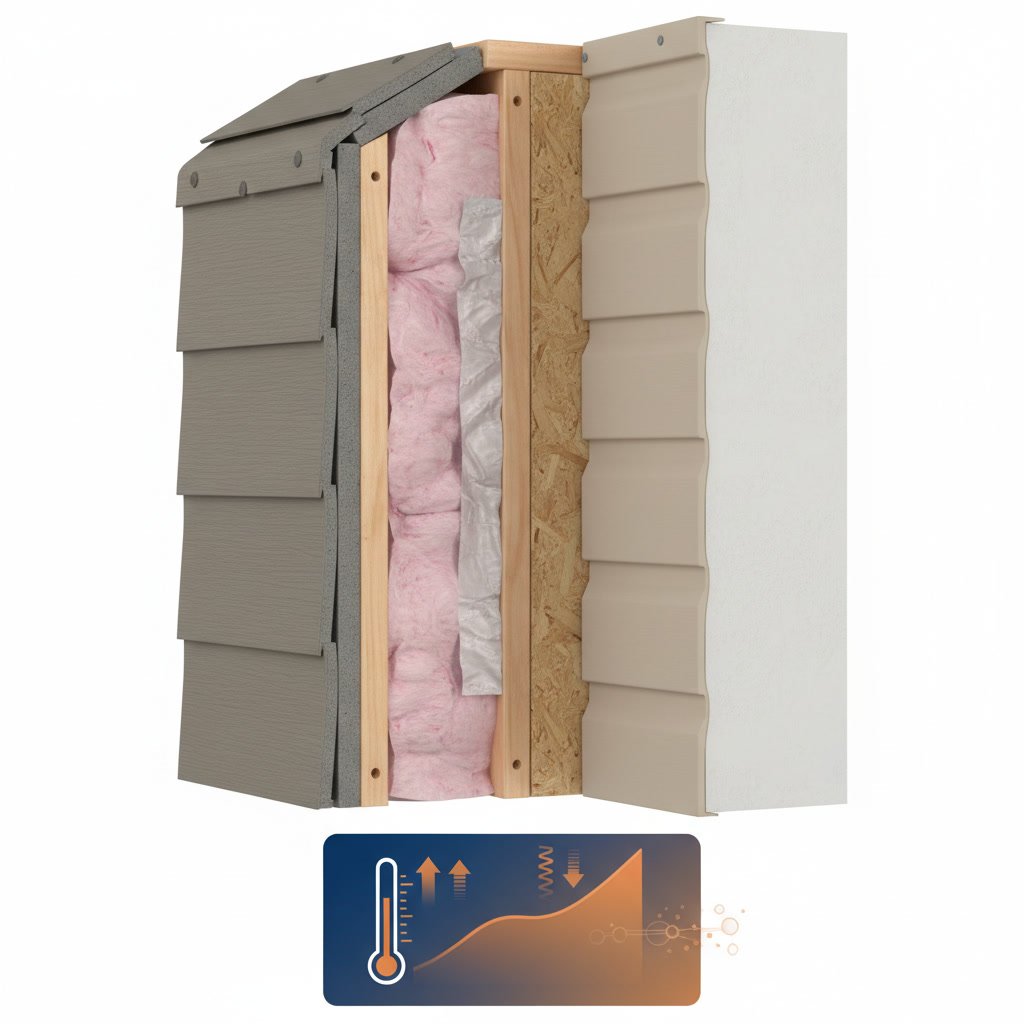
Traditional vinyl siding creates an air gap between the panel and your home’s sheathing. While this gap helps with drainage, it also allows heat to radiate through and warm your exterior walls. In cooling-dominated climates, this heat transfer forces air conditioners to work harder and run longer cycles.
Homes built before modern energy codes often have minimal wall insulation. Adding insulated siding can improve your total wall R-value by 20 to 40 percent in older construction, making a measurable difference in comfort and energy consumption.
Understanding R-Value and Thermal Performance
R-value measures a material’s resistance to heat flow. Higher numbers indicate better insulation. Standard vinyl siding contributes essentially zero R-value because the material itself is thin and the air gap behind it allows convective heat transfer.
Insulated vinyl siding incorporates expanded polystyrene foam backing, factory-laminated to the panel. Quality products deliver R-2 to R-5 depending on foam thickness and density. While this may seem modest compared to wall cavity insulation, it eliminates thermal bridging through studs and reduces air infiltration around panel edges.
The foam backing also improves structural rigidity. Panels resist warping and hold their shape better in high winds. This rigidity helps the siding maintain consistent contact with your home’s exterior, reducing air leakage that accounts for 25 to 40 percent of cooling and heating energy waste in typical homes.
Real-World Energy Savings in Acadiana
Energy savings from siding replacement depend heavily on your home’s existing condition. If your walls already contain adequate insulation and your home is well-sealed, adding insulated siding delivers modest savings, typically 5 to 10 percent on cooling costs.
For homes with poor existing insulation or significant air leakage, the savings increase substantially. Field studies in hot-humid climates show cooling cost reductions of 15 to 20 percent when insulated siding is part of a broader envelope upgrade. AMERICA’S BEST CHOICE OF Acadiana, LA often recommends insulated products for homes built before 1980, when wall insulation standards were minimal or nonexistent.
Consider a typical 1,800 square foot home in the region with $180 monthly summer cooling bills. A 15 percent reduction saves $27 per month during peak season. Over a six-month cooling season, that totals $162 annually. Over the siding’s 30-year lifespan, cumulative savings reach $4,860 before accounting for utility rate increases.
Comparing Upfront Costs and Long-Term Value
Insulated vinyl siding costs approximately 20 to 50 percent more than traditional vinyl, depending on the product line and foam thickness. For a typical home, this translates to an additional $2,000 to $4,500 in material costs.
Installation labor remains similar for both products. Experienced contractors handle insulated panels with the same techniques used for standard vinyl, though the added weight requires slightly more care during handling. Total project costs for insulated siding typically run $7 to $12 per square foot installed, compared to $5 to $9 for traditional vinyl.
The payback period depends on your energy savings rate. Using the earlier example of $162 annual savings against a $3,000 premium, simple payback occurs around 18 years. However, this calculation ignores several factors: rising energy costs, improved comfort, reduced HVAC wear, and higher resale value.
Homes with insulated siding often appraise higher due to documented energy efficiency improvements. The foam backing also provides better impact resistance, reducing maintenance costs from hail damage or debris strikes common during severe weather.
Installation Quality Matters More Than Material Choice
Even premium insulated siding underperforms if installed incorrectly. Gaps around window replacement openings, improperly flashed penetrations, and poorly fitted corners create thermal bypasses that negate the insulation benefit.
Professional installers use proper fastening techniques that allow for thermal expansion without creating buckling or gaps. Panels should be nailed in the center of slots, not tight against the wall. This seemingly minor detail prevents warping during temperature swings and maintains the continuous thermal barrier.
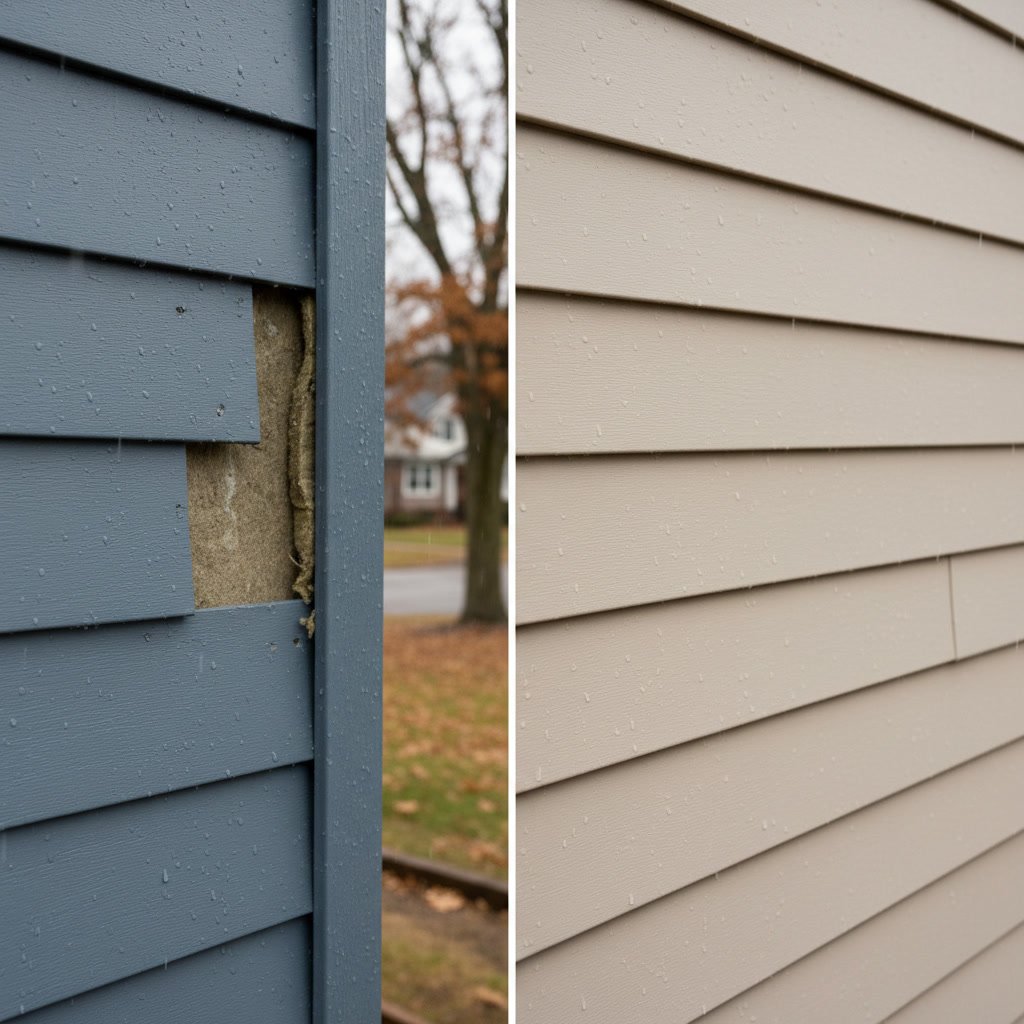
One expert insight rarely discussed: the foam backing must make full contact with your home’s sheathing. On walls with uneven sheathing or old siding remnants, installers must address these irregularities before hanging new panels. Otherwise, air pockets form behind the foam, reducing effective R-value by up to 30 percent.
How Insulated Siding Reduces Air Infiltration
Beyond conductive heat transfer, air leakage drives energy waste in most homes. Traditional vinyl siding overlaps at seams but doesn’t create an air barrier. Wind-driven air penetrates behind panels and infiltrates through sheathing joints and penetrations.
The foam backing on insulated siding creates a secondary air barrier when properly installed. While not a replacement for house wrap or building paper, it adds redundancy to your envelope system. This layered approach reduces the air changes per hour in your conditioned space.
Blower door testing shows homes with insulated siding typically achieve 10 to 15 percent better air tightness scores compared to identical homes with standard vinyl. This improvement compounds energy savings beyond what R-value alone would predict.
Moisture Management in Humid Climates
Louisiana’s humidity requires careful attention to moisture management in wall assemblies. Any insulation material added to the exterior must allow walls to dry when moisture does enter, either from interior humidity or wind-driven rain.
Expanded polystyrene foam used in insulated siding is vapor-permeable, allowing moisture to escape while still providing thermal resistance. This differs from closed-cell spray foam or foil-faced rigid insulation, which can trap moisture in wall cavities.
Proper installation includes maintaining drainage planes and ensuring weep holes at the bottom of walls remain clear. The foam backing should not block these critical drainage paths. Quality products include contoured backs that create drainage channels even when the foam contacts the sheathing.
Homes with ongoing moisture problems should address the root cause before installing any siding product. Insulated siding performs best on walls with properly functioning gutters, correct grading, and interior humidity control. Pairing your siding upgrade with door replacement that includes weatherstripping further reduces moisture infiltration.
Durability and Impact Resistance Comparison
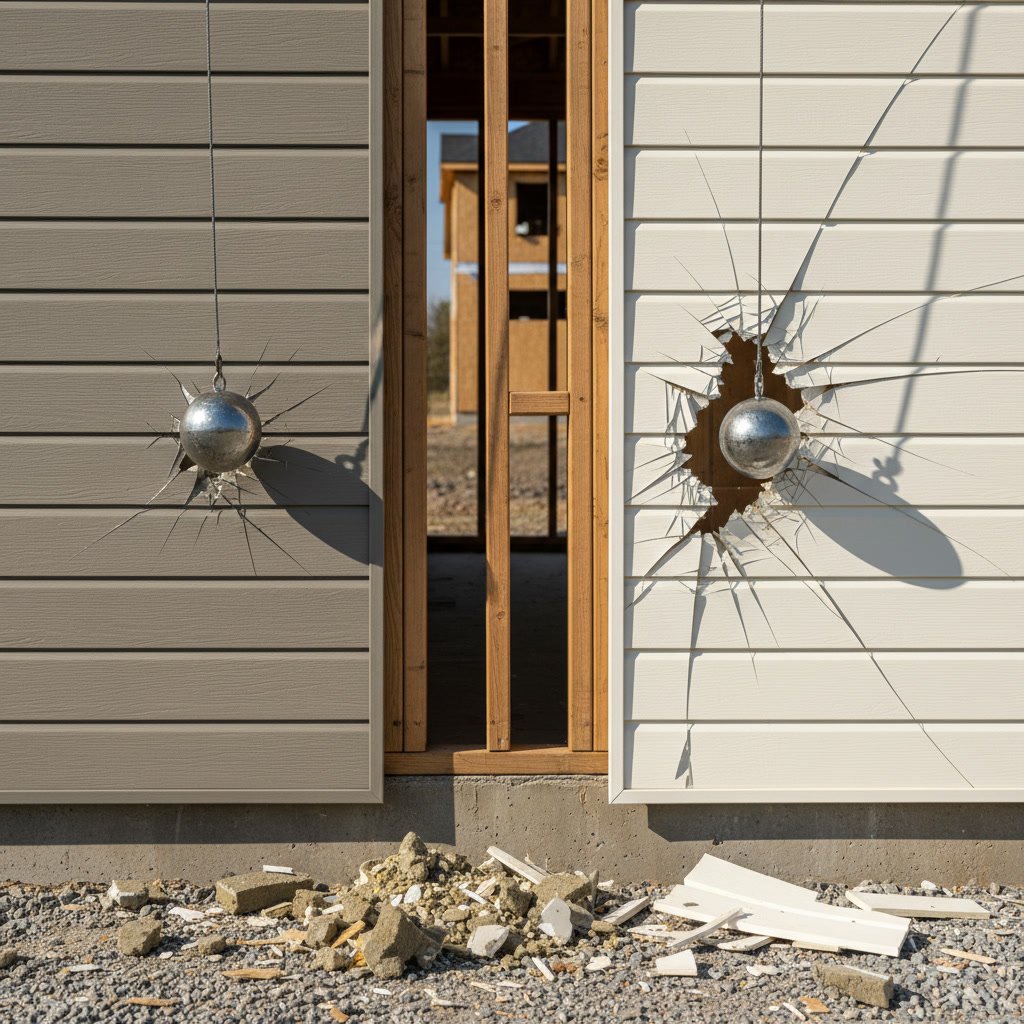
The foam backing in insulated siding significantly improves impact resistance. Standard vinyl siding can crack when struck by hail, tree branches, or lawn equipment because the hollow profile lacks structural support. The thin vinyl spans between fastening points with only air behind it.
Insulated panels distribute impact forces across the foam backing, which acts as a cushion. Independent testing shows insulated products withstand impacts 300 to 400 percent greater than standard vinyl before cracking or permanent deformation occurs.
This durability extends the siding’s functional lifespan. While both products carry similar warranties of 25 to 40 years, insulated siding typically requires fewer repairs over that period. Reduced maintenance costs offset some of the initial price premium.
For homeowners concerned about storm protection, insulated siding pairs well with storm shutters to create a comprehensive defense against severe weather events.
Sound Dampening Benefits Often Overlooked
Energy efficiency dominates siding discussions, but noise reduction deserves consideration. The foam backing absorbs sound energy, reducing exterior noise transmission into your home. Homes near busy roads, commercial areas, or airports benefit noticeably.
Testing shows insulated siding reduces exterior noise by 4 to 6 decibels compared to standard vinyl. While this seems modest numerically, decibel scales are logarithmic. A 5-decibel reduction represents approximately 40 percent less perceived loudness.
This acoustic benefit adds value even if energy savings don’t justify the cost alone. Quieter interior spaces improve sleep quality, reduce stress, and increase property desirability. Buyers increasingly prioritize homes in quiet neighborhoods or homes that mitigate unavoidable noise sources.
Making the Right Choice for Your Home
Several factors should guide your decision between insulated and traditional vinyl siding. Start by assessing your current wall insulation. Homes built after 2000 typically have adequate cavity insulation, making insulated siding a marginal upgrade. Older homes with minimal insulation gain substantially more benefit.
Calculate your potential savings based on actual utility bills, not generic estimates. Request a home energy assessment to identify your biggest energy waste sources. If air sealing and attic insulation offer better returns, address those first. Siding works best as part of a systematic envelope improvement plan.
Consider your budget and timeline for staying in the home. If you plan to sell within five years, traditional vinyl may make more financial sense unless insulated products significantly boost resale value in your market. For long-term homeowners, the cumulative savings and comfort improvements justify the higher initial cost.
Regional factors matter too. AMERICA’S BEST CHOICE OF Acadiana, LA understands local building practices, climate demands, and which products perform best in hot-humid conditions. Local expertise prevents costly mistakes that generic advice can’t address.
Maximizing Your Siding Investment
Regardless of which siding type you choose, certain upgrades maximize performance and value. Ensure your contractor uses proper underlayment and flashing techniques. Invest in quality trim and accessories that match your siding’s expected lifespan. Cheap trim that fails in 10 years undermines a 30-year siding installation.
Address underlying wall damage before new siding installation. Rotted sheathing, deteriorated studs, or water-damaged insulation won’t improve just because you cover them with new cladding. Professional contractors inspect and repair substrate issues as part of a complete installation.
Combine siding replacement with other envelope upgrades when possible. Replacing siding creates the ideal opportunity to add or improve wall insulation, seal penetrations, and upgrade exterior electrical outlets. These coordinated improvements deliver synergistic benefits that exceed the sum of individual upgrades.
Both insulated and traditional vinyl siding offer excellent durability and low maintenance when installed correctly. Your choice ultimately depends on balancing upfront costs against long-term energy savings, comfort preferences, and how long you plan to own the home. For personalized guidance on which option suits your specific situation, reach out to local siding professionals who understand regional climate demands and building practices.
Ready to explore your siding options and discover which solution delivers the best value for your home? Contact our team at +13372642585 to schedule a free consultation and receive a detailed estimate tailored to your property’s unique needs.