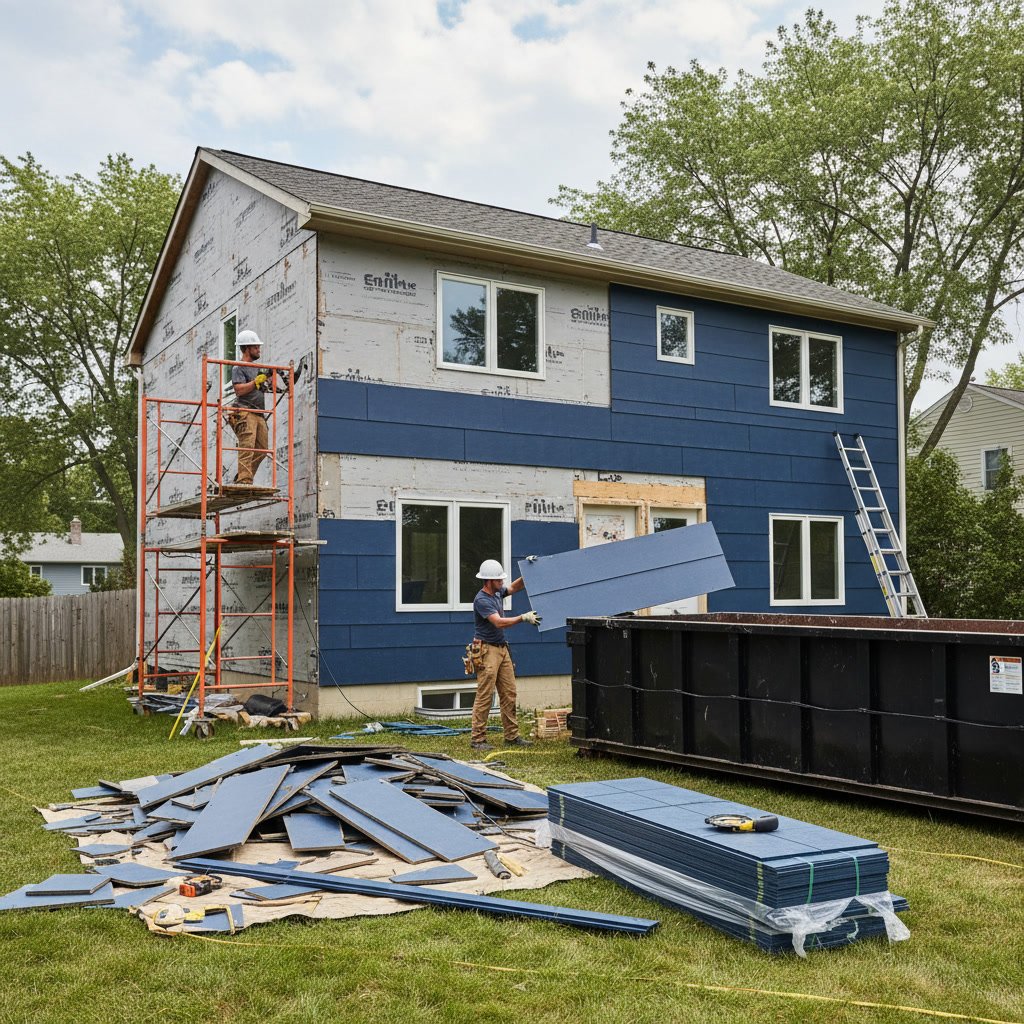
Most homeowners need to think about how often replace siding when they notice warping, fading, or high energy bills. The answer depends on your siding material, local climate, and how well you’ve maintained it over the years. Vinyl siding typically lasts 20 to 40 years, while fiber cement can last 50 years or more with proper care. Understanding the specific lifespan of your siding type helps you budget and plan for future home improvements.
What Affects the Lifespan of Your Home’s Siding
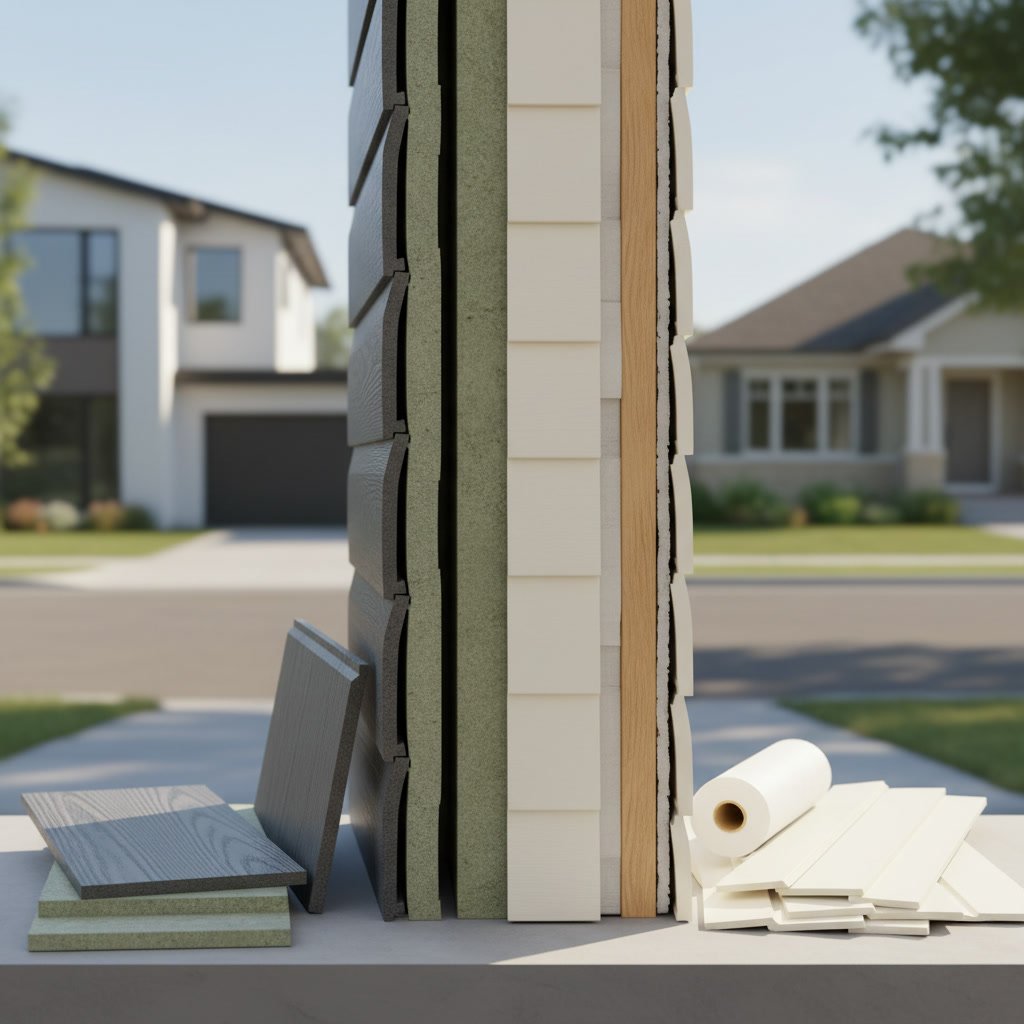
Multiple factors determine how long your siding will protect and beautify your home. Material quality stands at the top of the list. Premium vinyl, fiber cement, and engineered wood products resist weathering far better than economy-grade options. The manufacturer’s warranty often reflects the expected durability, with longer warranties indicating higher quality materials.
Climate plays an equally important role. Homes in Louisiana face intense heat, high humidity, frequent rain, and occasional severe storms. These conditions accelerate wear on exterior materials compared to milder climates. UV radiation degrades color and structural integrity, while moisture infiltration leads to warping, mold, and rot. Coastal properties face additional challenges from salt spray and wind-driven rain.
Installation quality can make or break siding performance. Even the best materials fail prematurely when installed incorrectly. Proper underlayment, flashing, and ventilation prevent moisture problems that shorten siding life. Professional installation ensures each panel sits level, with correct spacing for thermal expansion and contraction.
Understanding Different Siding Materials and Their Expected Lifespans
Vinyl siding remains the most popular choice across the United States because of its balance between cost, durability, and low maintenance. Standard vinyl lasts 20 to 30 years, while premium grades with thicker profiles and advanced UV inhibitors can reach 40 years. The material resists insects and rot but can crack in extreme cold or warp under intense heat. Color fading becomes noticeable after 15 to 20 years in sunny exposures.
Fiber cement siding offers superior durability, with lifespans ranging from 30 to 50 years or more. This composite material resists fire, insects, and rot while maintaining its appearance longer than vinyl. It requires repainting every 10 to 15 years but holds paint exceptionally well. The main drawback is higher initial cost and professional installation requirements.
Wood siding delivers classic beauty but demands more maintenance. Cedar and redwood naturally resist rot and can last 30 to 40 years with regular staining or painting every three to five years. Neglected wood siding often needs replacement within 15 to 20 years. Engineered wood products like LP SmartSide offer wood’s appearance with better moisture resistance and 30-year warranties.
Signs Your Siding Has Reached the End of Its Service Life in Acadiana
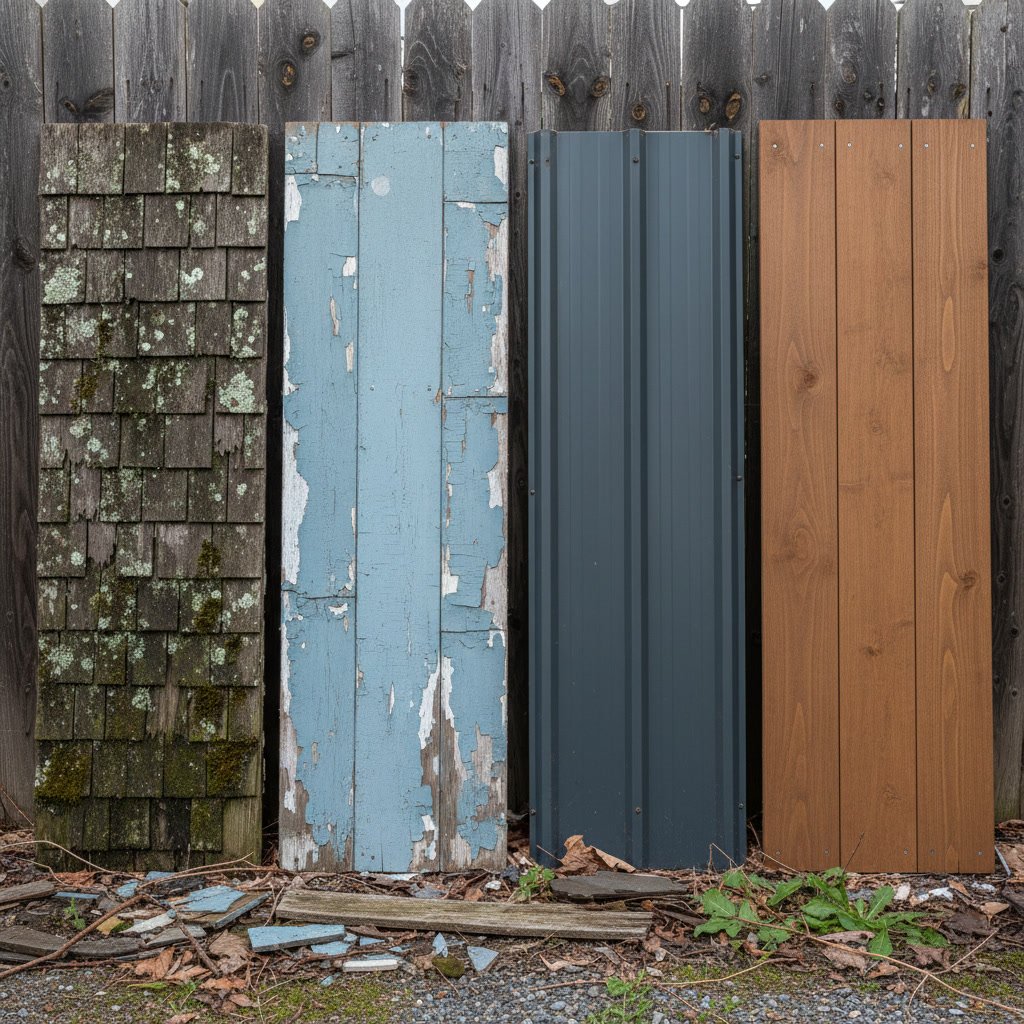
Visible warping or buckling indicates serious problems requiring immediate attention. Siding should lie flat against your home’s exterior walls. Waves, bulges, or loose panels suggest water infiltration behind the siding or improper installation. These issues compromise your home’s weather protection and energy efficiency.
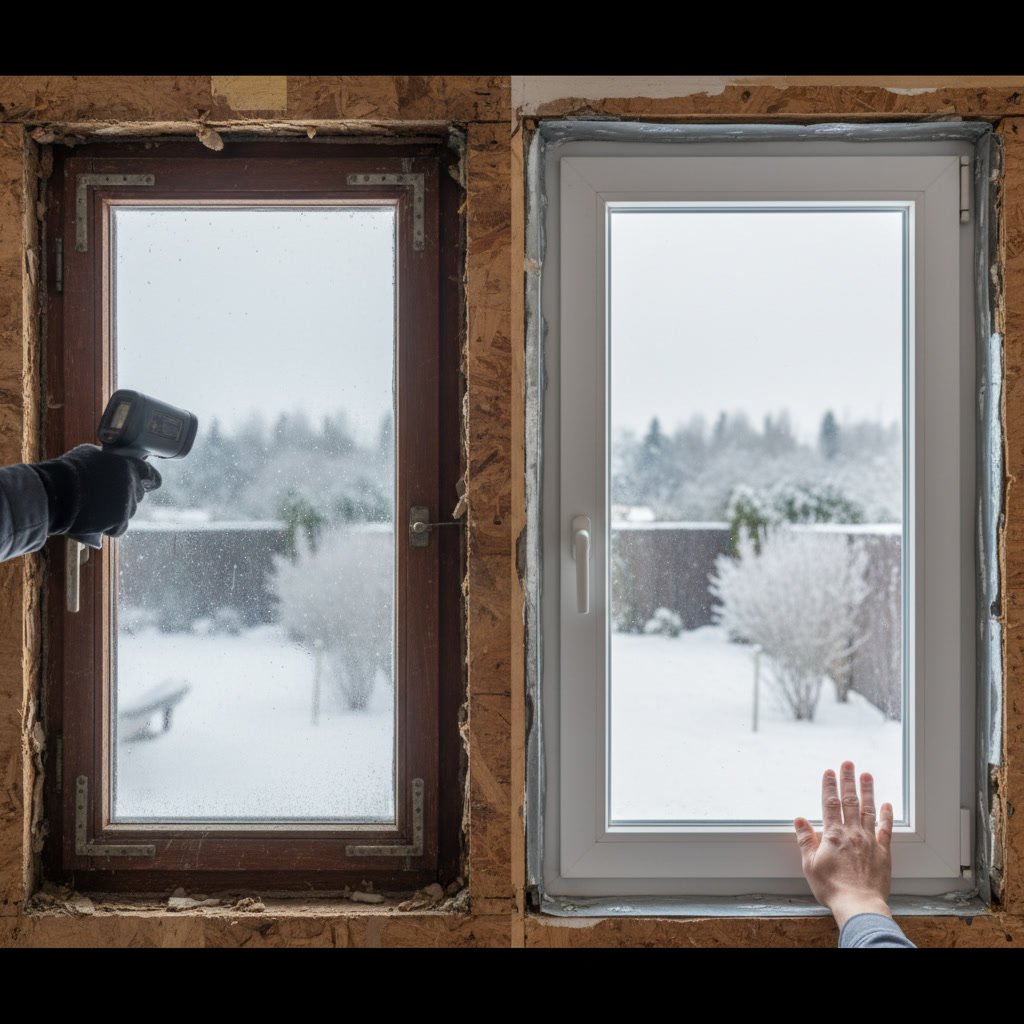
Rotting or soft spots point to moisture damage that has penetrated the material. Press gently on your siding in several locations. Solid siding resists pressure, while compromised areas feel soft or spongy. Wood siding shows obvious decay, but fiber cement and engineered products can also deteriorate from persistent moisture exposure. Similar moisture issues affect window frames that begin rotting, often at the same time as surrounding siding.
Fading and discoloration signal UV damage and aging. While some color change is normal over decades, severe fading makes your home look tired and dated. More importantly, faded siding often has reduced structural integrity. The same UV rays that bleach color also break down the material’s polymer chains or protective coatings.
Increasing energy bills without other explanation suggest your siding no longer insulates properly. Gaps, cracks, or deteriorated material allow conditioned air to escape and outdoor air to infiltrate. Your HVAC system works harder to maintain comfortable temperatures, driving up utility costs month after month.
How Louisiana’s Climate Impacts Siding Replacement Schedules
The hot, humid environment throughout Louisiana accelerates siding deterioration compared to drier or cooler regions. Summer temperatures regularly exceed 90 degrees, while humidity levels stay high year-round. This combination creates ideal conditions for mold, mildew, and moisture-related damage. Dark-colored siding absorbs more heat, experiencing greater thermal expansion and contraction cycles that stress material over time.
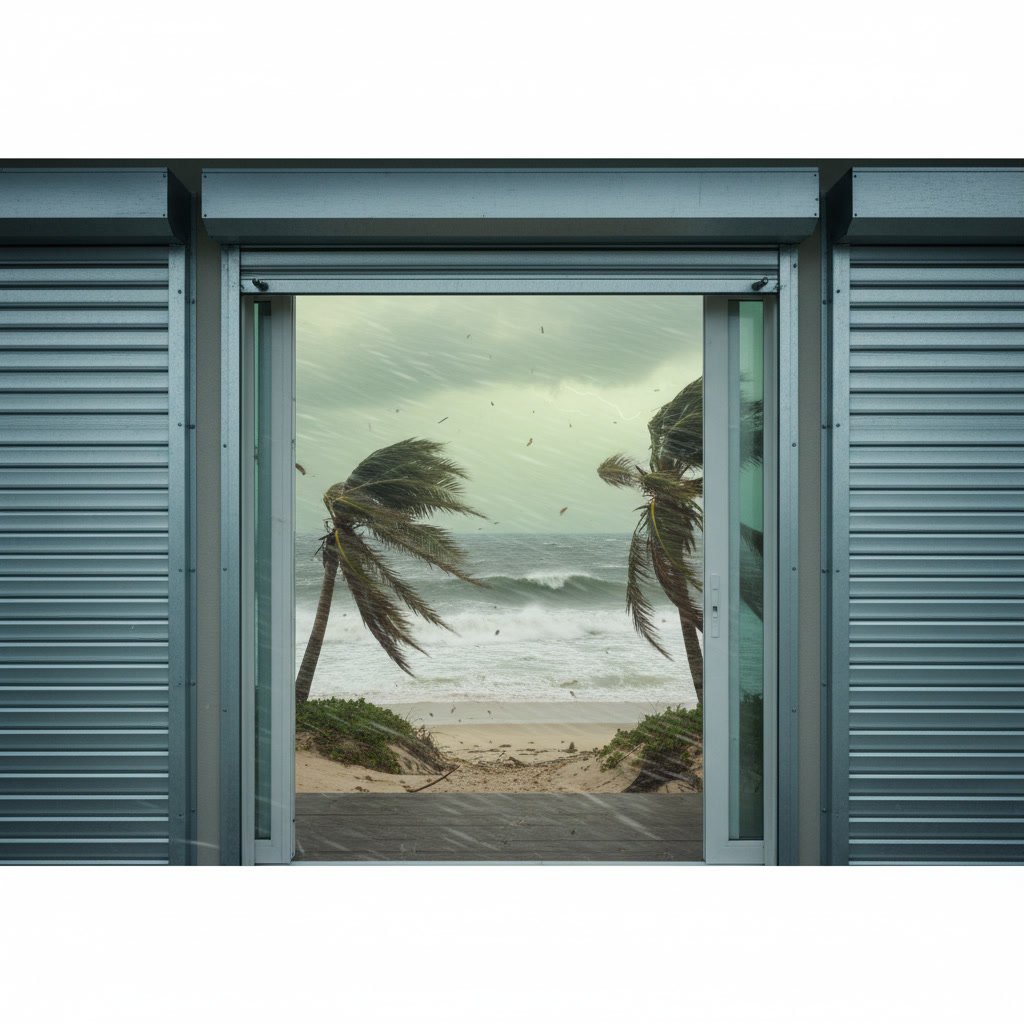
Hurricane season brings wind-driven rain and flying debris that can puncture or tear siding. Even homes that avoid direct hurricane hits face tropical storms and severe thunderstorms several times each year. Storm shutters protect windows during these events, but siding remains exposed. Impact damage from hail or windborne objects often necessitates repairs or early replacement.
Heavy rainfall totals throughout the year test your siding’s water resistance. Proper installation includes weather barriers and flashing that direct water away from the structure. As siding ages, these protective layers can fail, allowing water to reach sheathing and framing. Regular inspections after major storms help catch damage before it spreads.
Step-by-Step Guide to Inspecting Your Siding for Replacement Needs
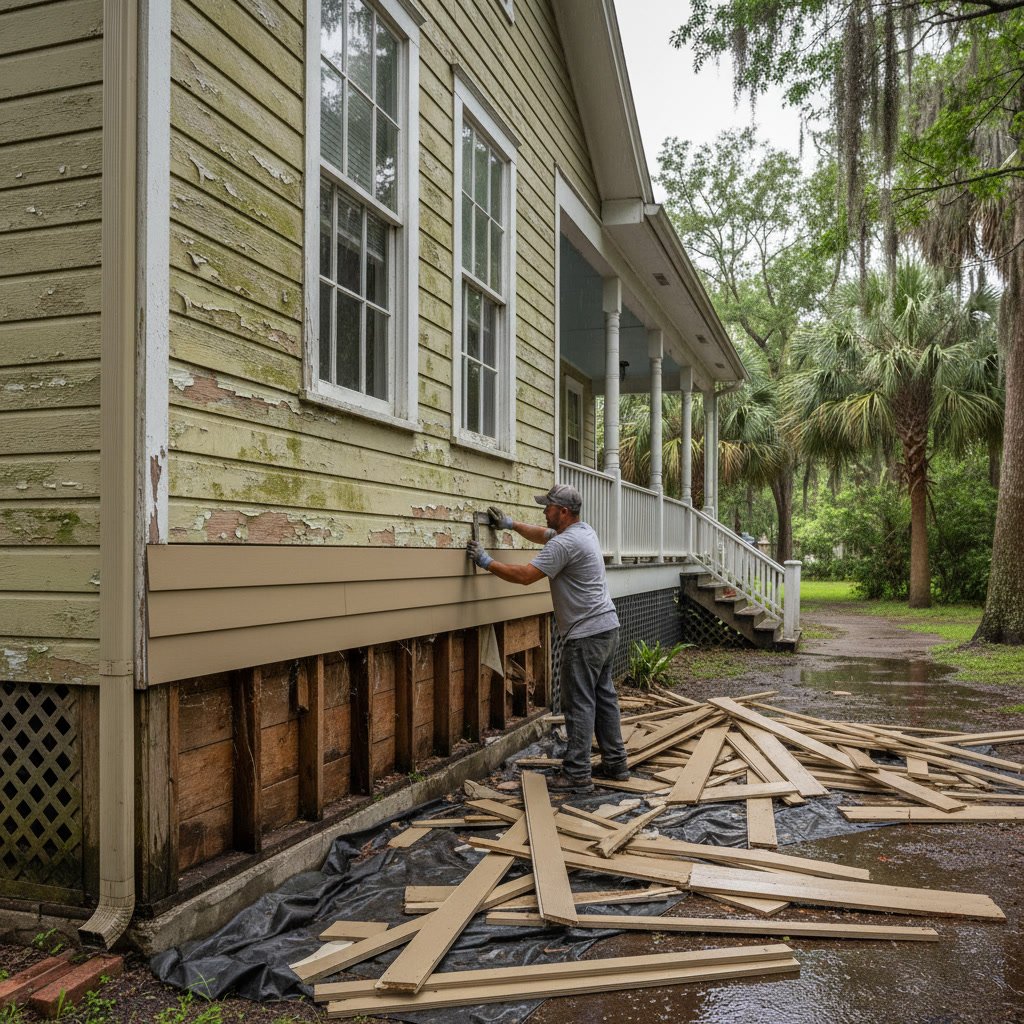
Start with a visual walk-around of your entire home during good daylight. Look for obvious problems like missing pieces, large cracks, holes, or sections pulling away from the wall. Take photos of any damage for reference and future comparison. Note areas that receive direct sun most of the day, as these typically show the first signs of UV damage.
Next, perform a hands-on inspection of accessible areas. Gently tap the siding with your knuckles, listening for differences in sound. Solid siding produces a firm, consistent sound, while damaged areas sound hollow or dull. Press lightly to check for soft spots that indicate water damage or rot. Pay special attention to areas near the ground, around windows and doors, and under roof overhangs where moisture tends to collect.
Examine your home’s interior for water stains, mold, or musty odors near exterior walls. These symptoms indicate water penetration through the siding system. Check your attic for daylight visible through the walls or water stains on sheathing. Interior problems often appear long after exterior damage begins, so catching them early prevents expensive structural repairs.
Review your energy bills for unexplained increases over the past few years. Failing siding allows air infiltration that forces your heating and cooling system to work overtime. While many factors affect energy costs, a sudden jump combined with aging siding suggests deteriorating performance.
The Real Cost of Delaying Siding Replacement
Postponing necessary siding replacement leads to compounding expenses that far exceed the initial project cost. Water infiltration through damaged siding soaks wall sheathing, insulation, and framing. Wet wood quickly develops rot and attracts wood-destroying insects. Repairing structural damage costs thousands more than replacing siding before water enters the wall cavity.
Mold growth inside walls creates health hazards and requires professional remediation. Once mold establishes itself in wall cavities, removing it means tearing out and replacing insulation, sheathing, and interior drywall. These costs add up quickly, often doubling or tripling the total project expense compared to timely siding replacement.
Energy waste from failing siding continues month after month. A home losing even 15 percent efficiency wastes hundreds of dollars annually on heating and cooling. Over five years, that equals the cost of a modest siding repair or partial replacement. The longer you wait, the more money you throw away on avoidable utility expenses.
Maintenance Practices That Extend Siding Life Between Replacements
Regular cleaning removes dirt, mildew, and organic debris that hold moisture against siding surfaces. Wash your siding once or twice yearly using a garden hose and soft brush. For stubborn stains, use a mild detergent solution. Avoid pressure washers, which can force water behind siding panels or crack vinyl and fiber cement. Start at the bottom and work upward to prevent streaking.
Trim vegetation away from your home’s exterior. Shrubs and tree branches touching siding trap moisture and scratch surfaces during windy conditions. Maintain at least 12 to 18 inches of clearance between plants and siding. Remove vines completely, as they attach to siding and create countless moisture-trapping pockets.
Inspect and repair caulking around windows, doors, and trim annually. Caulk shrinks and cracks over time, creating entry points for water. Fresh caulk prevents moisture infiltration and extends siding life significantly. This maintenance task takes minimal time and costs little compared to damage prevention. The same attention to detail applies when you replace doors or windows, ensuring proper sealing at all exterior penetrations.
Clean gutters and downspouts regularly to prevent overflow that cascades down siding. Clogged gutters dump hundreds of gallons of water directly onto siding and landscaping. Install splash blocks or extensions to direct downspout discharge away from the foundation and lower siding courses.
When Partial Replacement Makes Sense Versus Full Replacement
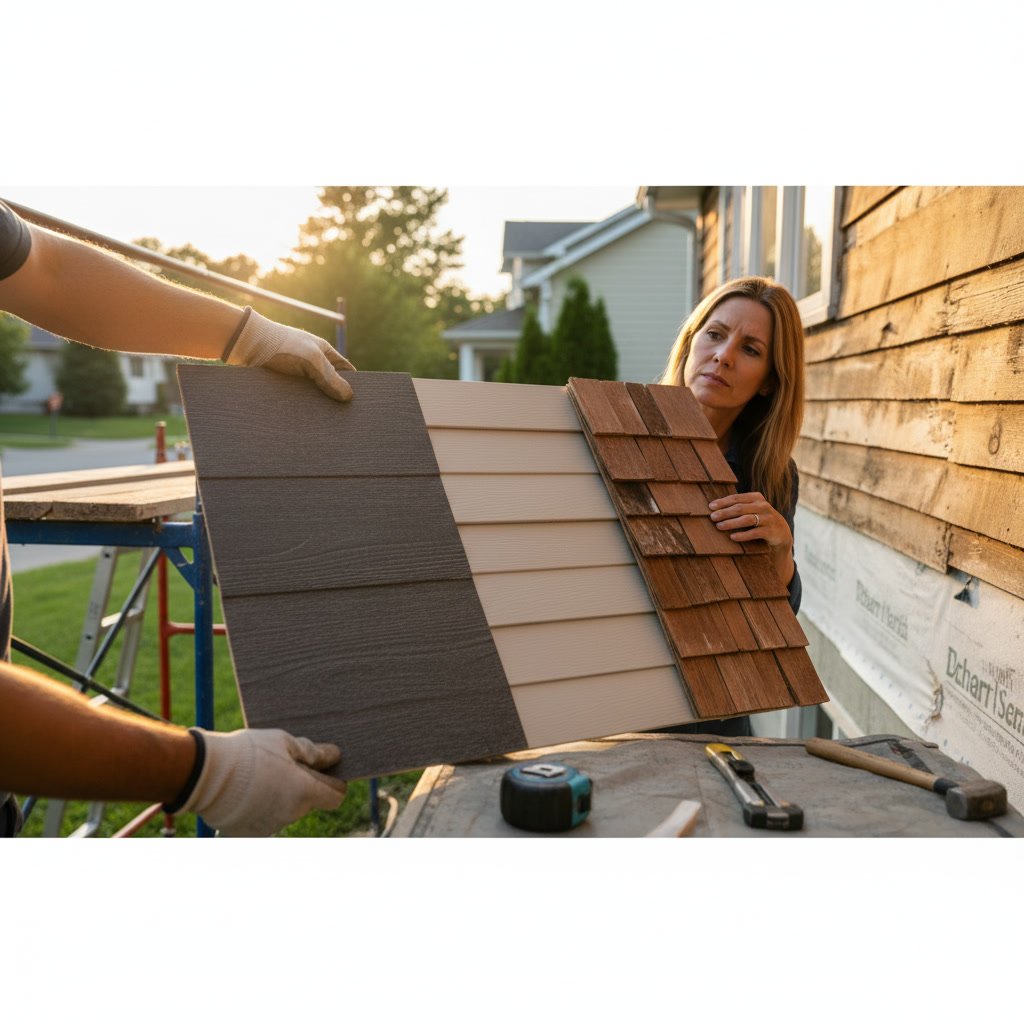
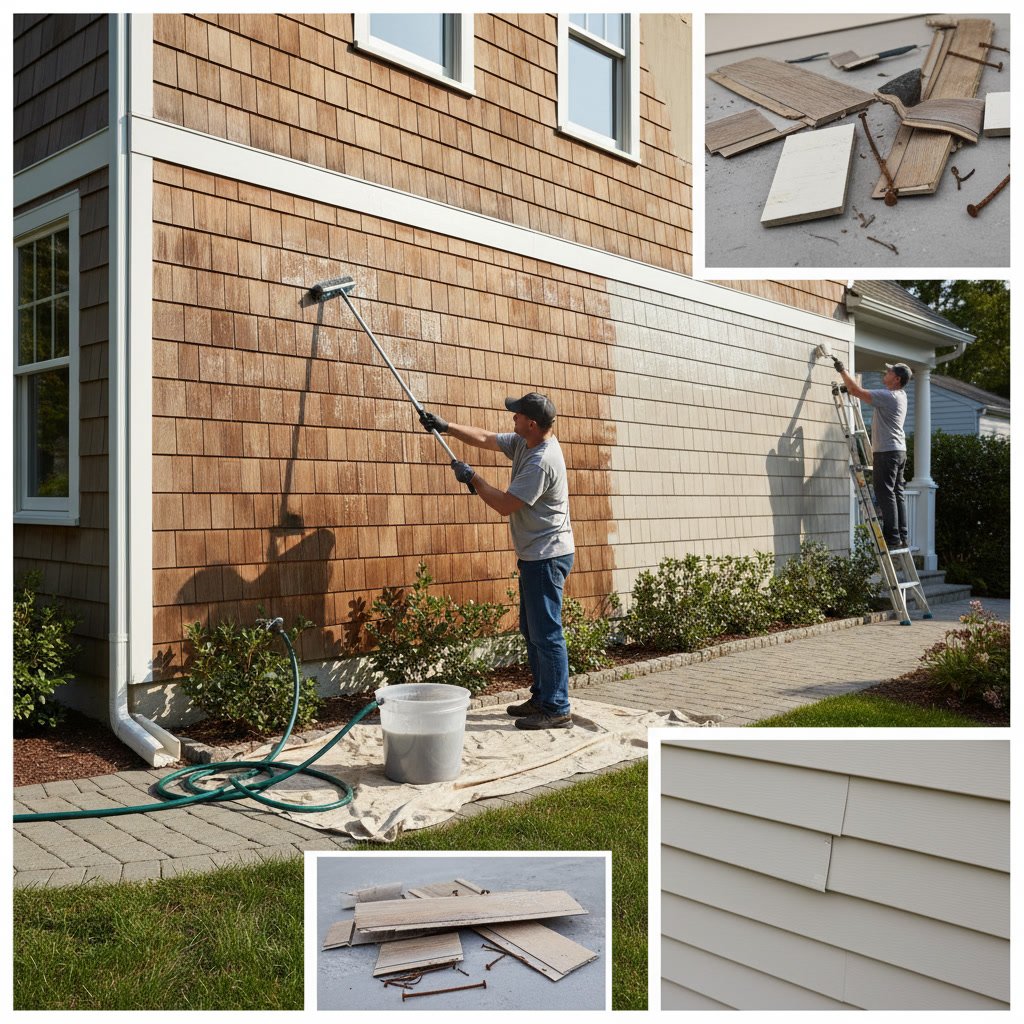
Isolated damage from impact, rot, or storm debris often justifies partial replacement. If a few panels or one wall section shows damage while the rest remains sound, repairing that area makes economic sense. The challenge lies in matching existing siding color and texture, especially if your current siding is more than 10 years old. Manufacturers discontinue colors and styles regularly, making exact matches difficult.
Widespread aging symptoms across multiple walls typically indicate full replacement provides better value. Replacing one elevation while leaving three others with 20-year-old siding creates a patchwork appearance and means you’ll need another project in a few years. Full replacement delivers consistent appearance, comprehensive warranty coverage, and longer intervals before the next replacement cycle.
Consider your future plans for the home when deciding between partial and full replacement. If you plan to sell within five years, full siding replacement delivers strong return on investment and buyer appeal. Homes with fresh siding photograph better, attract more buyers, and often sell faster than comparable properties with tired exteriors. If you’re staying long-term, full replacement provides decades of worry-free protection and energy efficiency.
How Professional Installation Affects Replacement Timing
Expert installation significantly extends siding life by ensuring proper technique at every step. Professional installers understand the importance of moisture barriers, flashing details, and expansion gaps that allow materials to move with temperature changes. They level each course carefully and fasten panels with correct nail placement and tension. These details seem minor but determine whether siding lasts 20 years or 40.
Poorly installed siding fails prematurely regardless of material quality. Common mistakes include overdriven fasteners that prevent thermal movement, missing or improperly lapped weather barriers, and inadequate flashing around openings. These errors allow water infiltration and restrict natural expansion, causing warping, buckling, and premature deterioration.
Working with experienced professionals like AMERICA’S BEST CHOICE OF Acadiana, LA ensures installation meets or exceeds manufacturer specifications. This attention to detail protects your warranty coverage and maximizes your investment’s lifespan. Manufacturers void warranties when siding is installed incorrectly, leaving homeowners to cover replacement costs out of pocket.
Choosing the Right Replacement Material for Louisiana Conditions
Selecting siding that withstands local climate conditions prevents premature failure and repeat projects. Fiber cement performs exceptionally well in humid environments because it resists moisture absorption, won’t rot, and stands up to intense UV exposure. The material holds paint longer than wood and never warps like vinyl can in extreme heat.
Premium vinyl siding with enhanced UV inhibitors and impact resistance offers excellent value for Louisiana homes. Look for products rated for high wind speeds and backed by strong warranties. Thicker profiles resist denting and provide better insulation value. Light or medium colors reflect heat better than dark shades, reducing thermal stress and fading.
Engineered wood products combine natural wood’s appearance with enhanced durability. Modern treatments resist moisture, insects, and rot far better than traditional wood siding. These products work well for homeowners who want wood’s aesthetic without intensive maintenance requirements. Expect to repaint every 10 to 12 years rather than every three to five years with natural wood.
Protecting Your Investment After Replacement
New siding represents a significant investment in your home’s protection, comfort, and value. Proper care from day one maximizes the lifespan you’ll enjoy before thinking about how often replace siding becomes relevant again. Register your warranty immediately and keep all installation documentation in a safe place. Understand what your warranty covers and what maintenance it requires to remain valid.
Schedule annual inspections to catch minor issues before they become major problems. Many small repairs cost little when addressed promptly but lead to expensive damage if ignored. Check caulking, trim connections, and areas around exterior fixtures where siding meets other materials. These transition points are most vulnerable to water infiltration.
Document your siding’s condition with photos every few years. Visual records help you track aging patterns and make informed decisions about maintenance or eventual replacement. They also provide valuable information for insurance claims if storm damage occurs. Maintaining good records demonstrates responsible homeownership and can help with warranty claims.
Making an Informed Decision About Your Home’s Exterior
Understanding your siding’s expected lifespan, recognizing warning signs, and maintaining it properly help you plan for replacement at the optimal time. Most siding materials last 20 to 40 years depending on type, climate exposure, and maintenance. Homes in humid Louisiana climates experience faster deterioration than those in milder regions. Regular inspections and prompt repairs extend siding life and prevent costly structural damage from water infiltration.
Replace siding when you notice warping, rot, significant fading, or rising energy bills. These symptoms indicate your siding no longer protects your home effectively. Professional installation using quality materials appropriate for local conditions ensures maximum lifespan and warranty protection. Proper maintenance between inspections preserves appearance and performance for decades.
AMERICA’S BEST CHOICE OF Acadiana, LA brings decades of industry experience to every siding project throughout Lafayette, Broussard, Youngsville, and surrounding communities. Our team helps homeowners select the right materials for Louisiana’s demanding climate and provides expert installation that maximizes your investment. Contact us at +13372642585 to schedule a free consultation and learn how quality siding replacement protects your home and family for years to come.