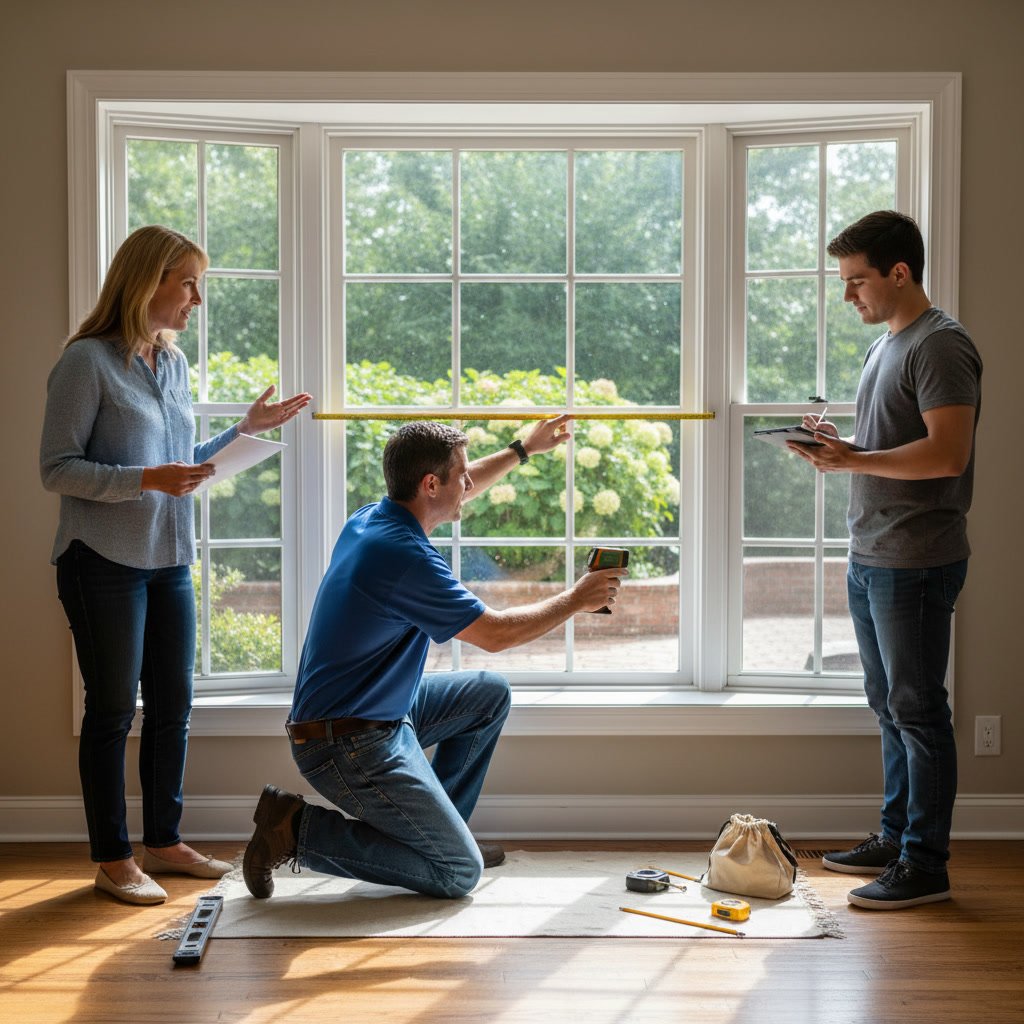

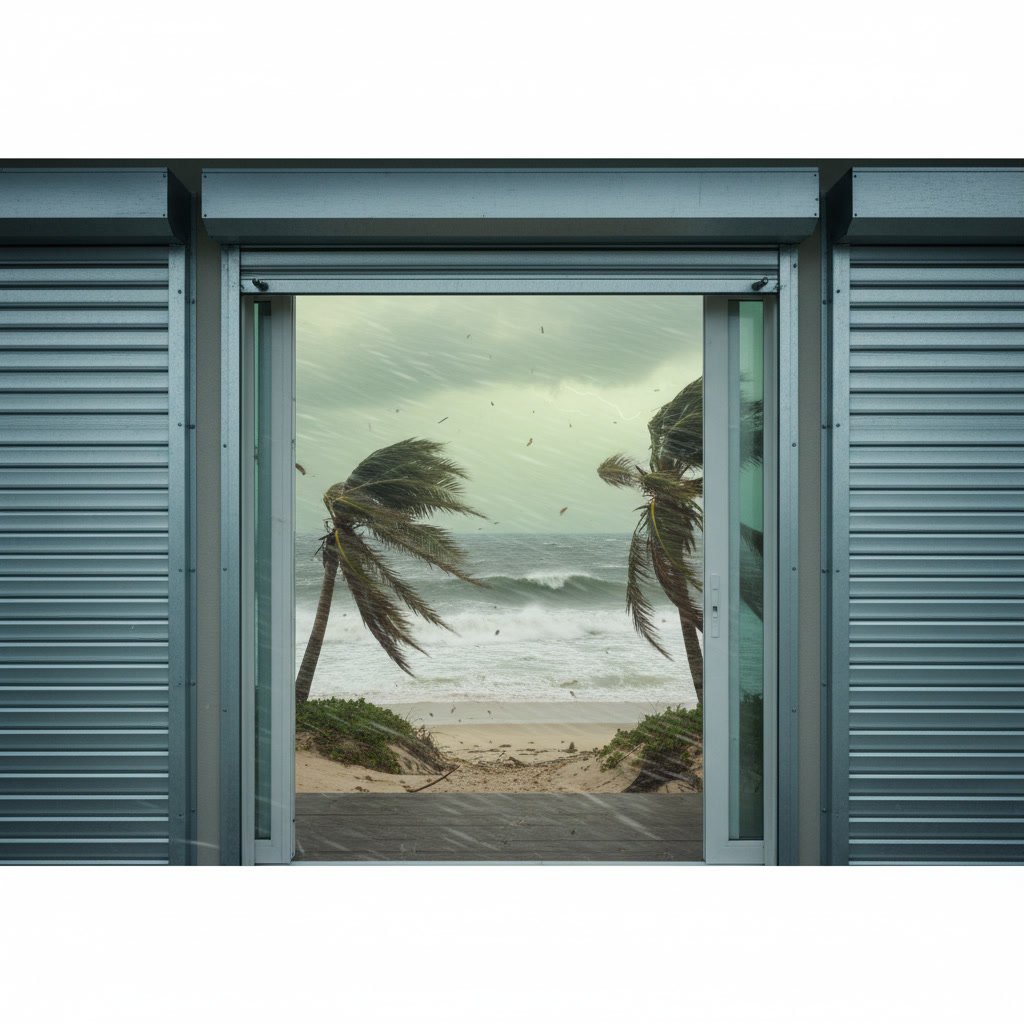
Understanding how storm shutters work begins with knowing their core function: they create a rigid or flexible barrier that shields vulnerable openings in your home from wind pressure, flying debris, and water intrusion. During a hurricane, wind speeds can exceed 130 miles per hour, and airborne objects become dangerous projectiles. Storm shutters absorb these impacts and redistribute wind forces across their surface, preventing glass breakage and protecting the structural integrity of your walls and roof.
Why Hurricane Protection Matters in Acadiana
Coastal Louisiana faces one of the highest hurricane risks in the United States. The Acadiana region sits within the Atlantic hurricane zone, where homeowners experience tropical storms and major hurricanes with alarming frequency. Between 2000 and 2023, Louisiana recorded 62 named storm impacts, with several causing catastrophic damage to residential structures.
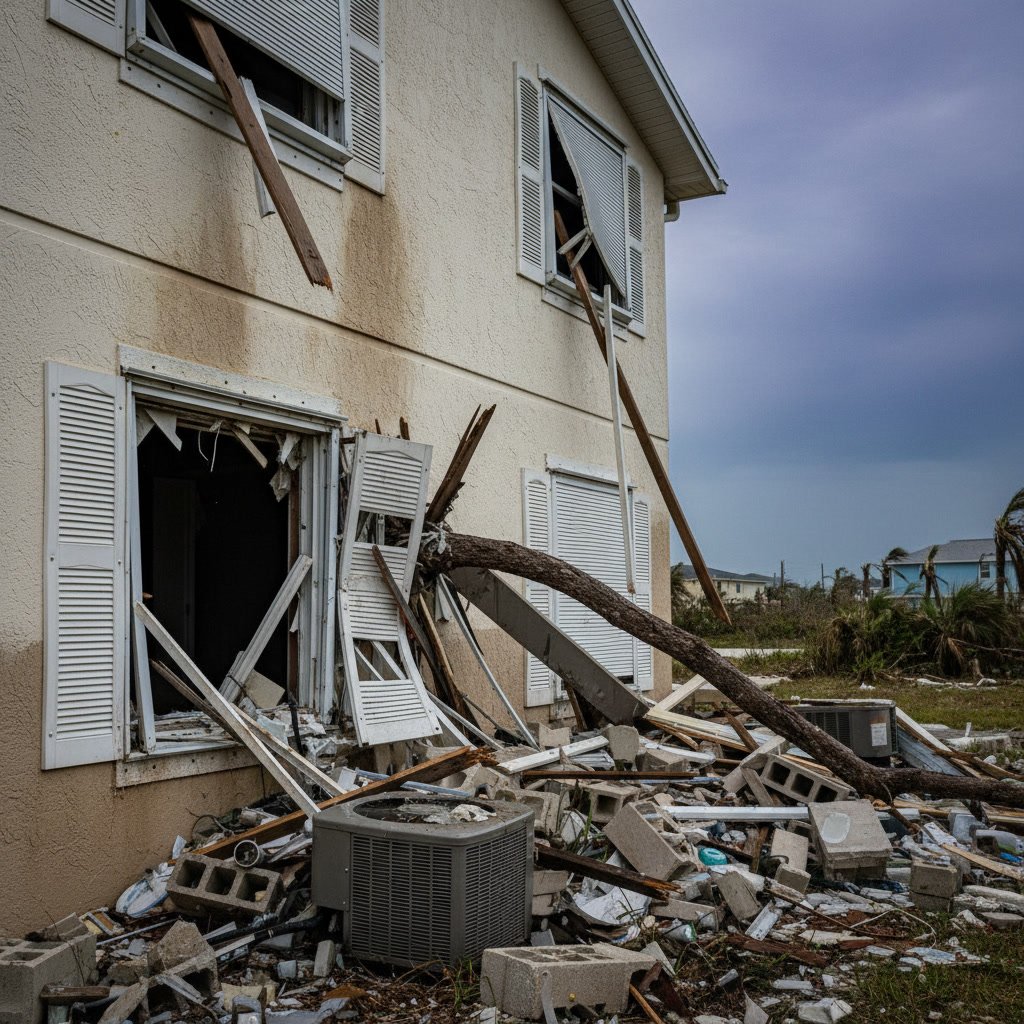
The greatest threat to homes during a hurricane is not always the wind itself. When a window breaks, wind enters the interior and creates upward pressure against the roof from the inside. This pressure differential can lift the roof off the structure entirely. A single broken window during a Category 3 hurricane can transform your home from a secure shelter into a structurally compromised liability in minutes.
The Engineering Behind Shutter Protection
Storm shutters function through a combination of material strength, anchoring systems, and design geometry. Most residential shutters are engineered to withstand wind pressures of 140 to 200 pounds per square foot, which corresponds to wind speeds between 130 and 180 miles per hour. The shutter panels themselves are constructed from aluminum, steel, polycarbonate, or impact-resistant composite materials, each offering different levels of protection and cost.
The anchoring system is equally important. Shutters mount to the structural frame of your home using heavy-duty bolts, tracks, or hinges embedded directly into wood studs or concrete block. This connection point must transfer thousands of pounds of wind force from the shutter to the building frame without pulling free. Quality installation ensures these anchor points are spaced correctly and secured into solid framing, not just exterior siding or trim.
Five Main Types of Storm Shutters
Accordion shutters unfold from a permanent track mounted beside each window. You simply pull them closed and lock them in place when a storm approaches. These offer excellent protection and convenience, though they remain visible on your home year-round.
Roll-down shutters retract into a housing box above the window opening. They deploy with a manual crank or electric motor. This type provides the highest level of convenience and security but carries a higher price point than most alternatives.
Colonial shutters add aesthetic appeal while functioning as hurricane protection. These hinged panels swing closed over windows and latch at the center. They enhance curb appeal but require manual operation and storage space when open.
Panel systems use removable aluminum or steel sheets that attach to permanent tracks or bolt directly to anchor points around each opening. They offer strong protection at a moderate cost but require physical effort to install before each storm and storage space when not in use.
Bahama shutters mount above windows at an angle, providing shade during normal weather and swinging down for storm protection. These work well in tropical climates where you want both sun control and hurricane defense.
How Wind Pressure Affects Your Windows
Wind does not push uniformly against a building. As wind flows around a structure, it creates positive pressure on the windward side and negative pressure (suction) on the leeward side and roof. The corners and edges of buildings experience the highest pressure zones, often 50% greater than forces on flat wall surfaces.
Standard residential windows are designed to handle everyday wind loads of 20 to 30 pounds per square foot. During a Category 4 hurricane, wind pressure can reach 150 pounds per square foot or higher. Without protection, window glass flexes beyond its breaking point, shatters, or pops out of the frame entirely. Storm shutters intercept this pressure before it reaches the glass, keeping your windows intact and your home envelope sealed.
The Debris Impact Problem
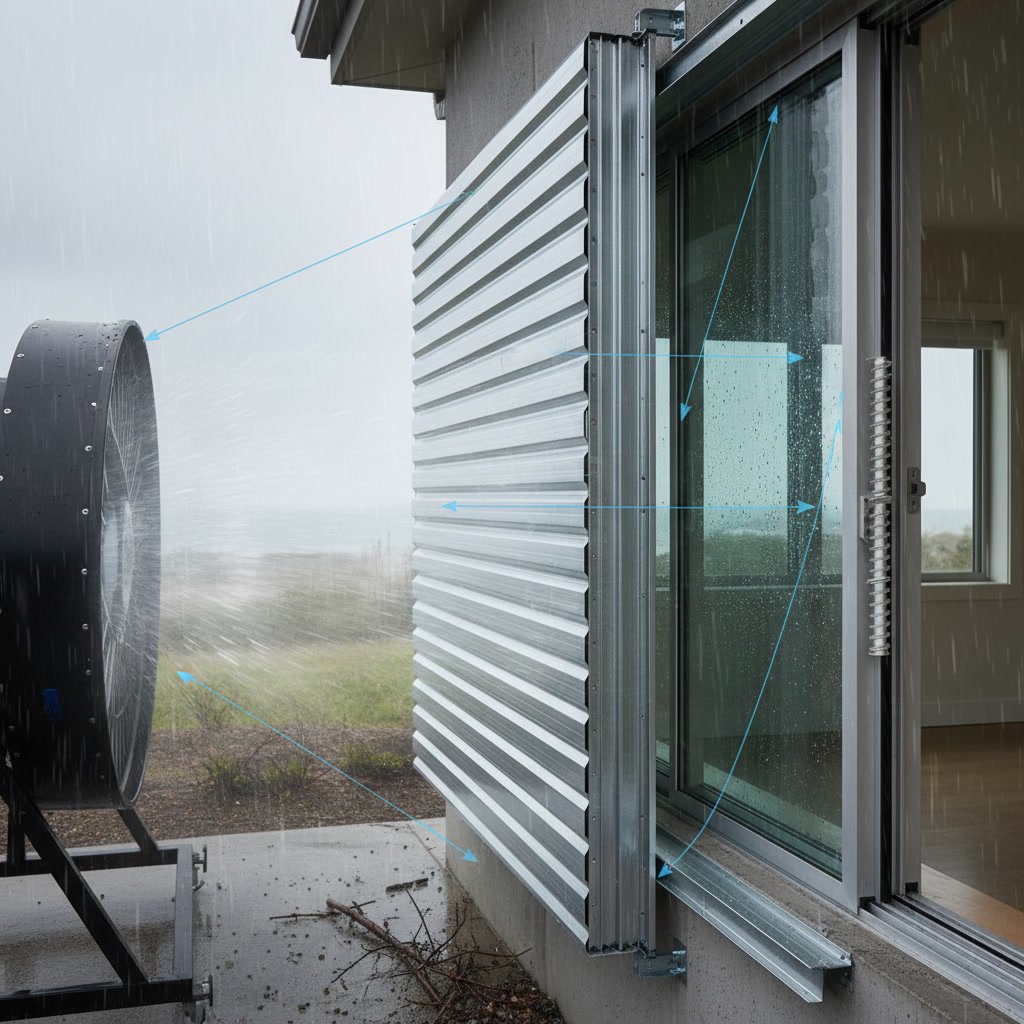
Flying debris causes more window failures during hurricanes than wind pressure alone. A piece of roof tile, a tree branch, or a section of fence traveling at 100 miles per hour carries tremendous kinetic energy. Building codes in hurricane-prone zones now require impact testing for protective systems, simulating a nine-pound 2×4 lumber piece striking the surface at 50 feet per second.
Storm shutters pass these tests by either absorbing the impact without penetration or deflecting the projectile away from the window. Metal shutters dent but do not puncture. Polycarbonate panels flex on impact and return to their original shape. The key is preventing any breach that would allow wind or water to enter your home.
Water Intrusion and Seal Integrity
Hurricanes bring torrential rainfall, often 10 to 20 inches within 24 hours. Wind-driven rain does not fall vertically. It strikes horizontal and even upward surfaces with significant force. Without shutters, water penetrates around window frames, through weep holes, and past weatherstripping that was never designed for such extreme conditions.
Quality shutters create an additional barrier that keeps water away from window assemblies. Many systems incorporate gaskets or overlapping edges that shed water rather than allowing it to pool against the glass or frame. This secondary line of defense can prevent thousands of dollars in water damage to interior walls, flooring, and furnishings.
Insurance and Building Code Requirements
Louisiana building codes require hurricane protection for new construction in certain wind zones. Existing homes are often grandfathered under older code provisions, but insurance companies increasingly require proof of storm protection to maintain coverage or avoid substantial premium increases.
Installing certified storm shutters can reduce your homeowners insurance premium by 10% to 45%, depending on your carrier and coverage level. The shutters must meet specific testing standards and installation requirements to qualify for these discounts. Documentation from your installer proving compliance with Miami-Dade or Florida Building Code approval is typically required when filing for the insurance credit.
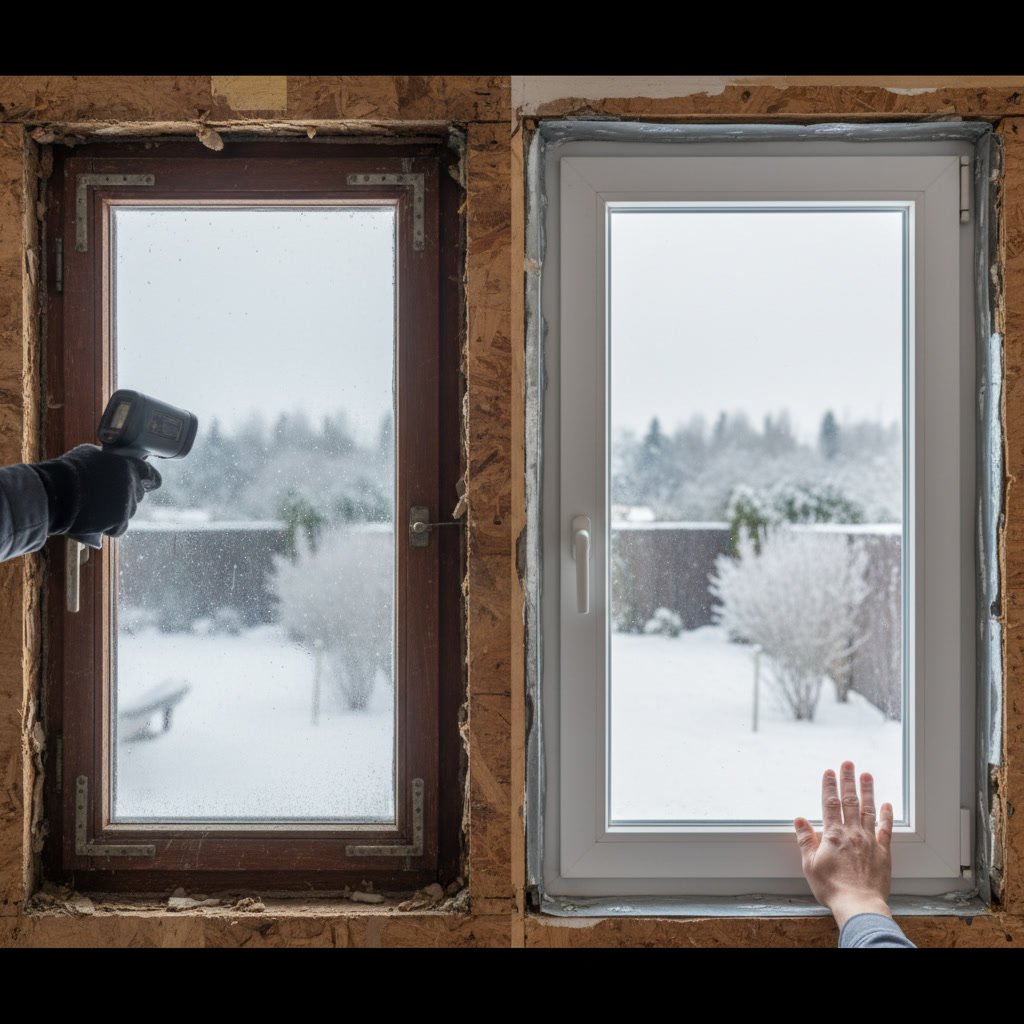
Many homeowners who have invested in window replacement with impact-resistant glass wonder if shutters are still necessary. While impact windows provide excellent protection, shutters offer an additional layer of defense and often cost less than replacing every window in your home with impact-rated units.
Installation and Anchor Point Considerations
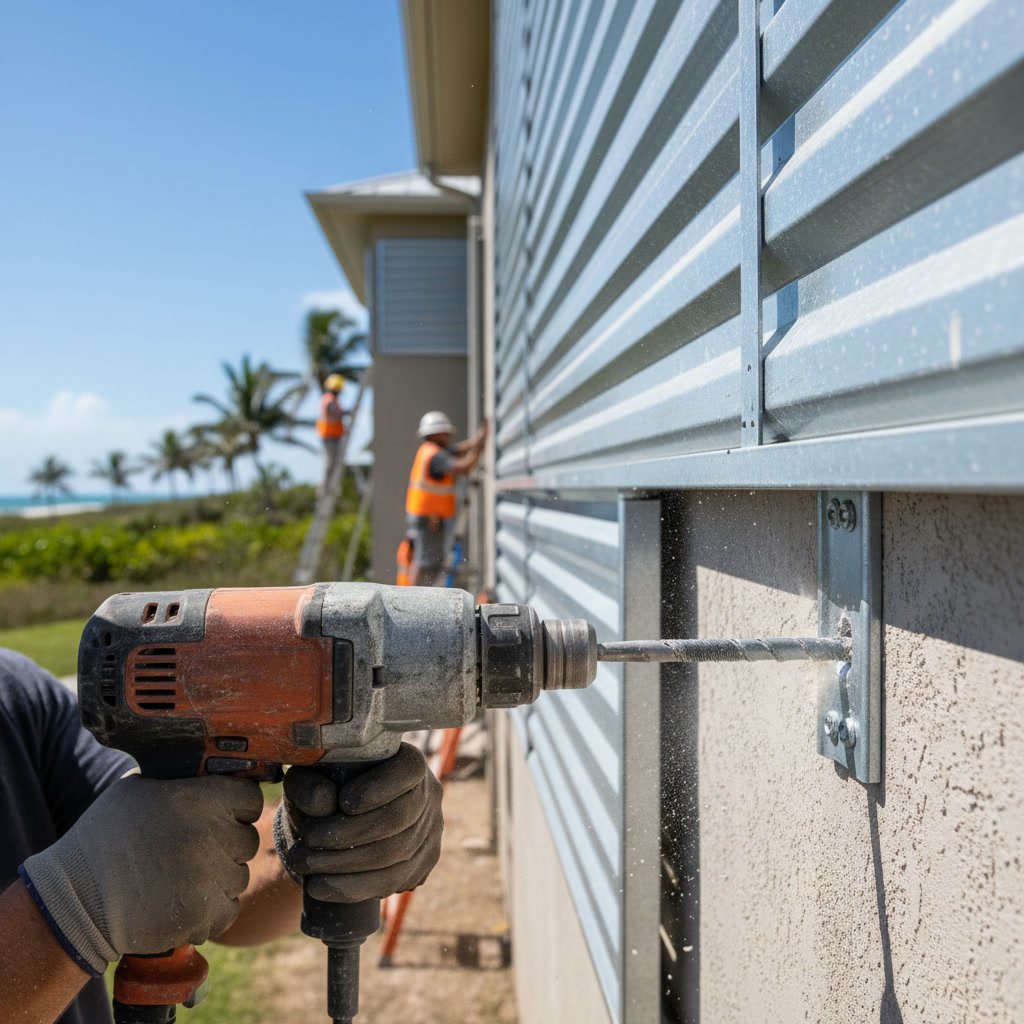
The strongest shutter becomes useless if improperly installed. Anchor points must penetrate through exterior cladding and into solid structural members. For wood-frame homes, this means screwing or bolting into wall studs or the header above each window. For masonry construction, anchors embed into concrete block or poured concrete walls.
Spacing between anchor points matters significantly. Building codes typically require fasteners every 12 to 18 inches around the perimeter of each opening. Wider spacing can allow the shutter to bow inward under pressure, reducing effectiveness and potentially causing failure. Professional installers use structural drawings or probe walls to locate framing before drilling anchor holes.
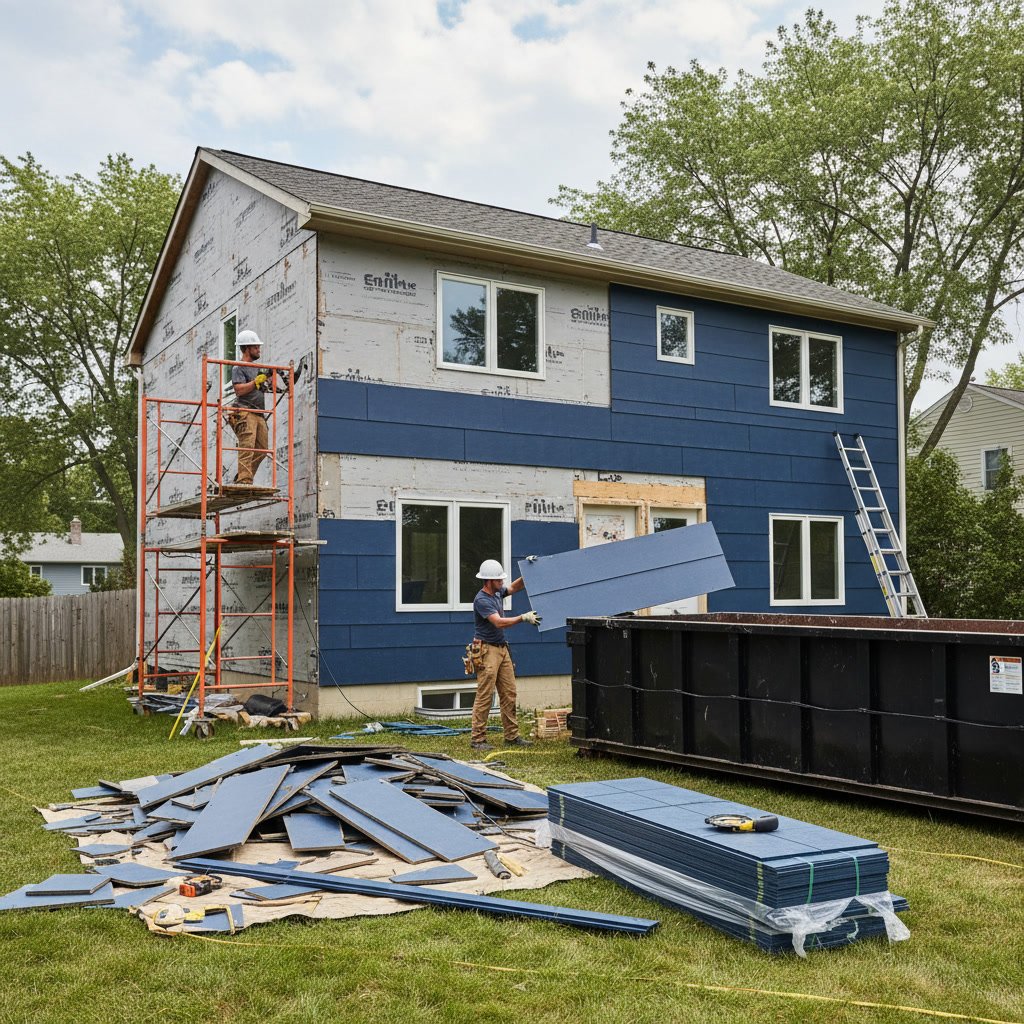
Homes with siding replacement completed recently offer an ideal opportunity to install shutters, as the wall structure is accessible and any penetrations can be properly sealed before the new siding goes up.
Maintenance and Long-Term Performance
Storm shutters require minimal maintenance but should be inspected and operated at least once per year. Metal shutters need occasional lubrication on hinges, locks, and tracks. Check for corrosion, especially on fasteners and anchor points where dissimilar metals contact each other. Aluminum and stainless steel combinations resist corrosion better than aluminum with standard steel bolts.
Test your shutters well before hurricane season begins. Deploy and secure each one to verify that tracks are clear, locks engage properly, and no components have loosened. This practice run ensures you can close your entire home quickly when a storm threatens, and it reveals any maintenance needs while you still have time to address them.
Polycarbonate panels can yellow or become brittle after years of UV exposure. Most manufacturers warrant these materials for 10 to 15 years, but actual lifespan depends on sun exposure and climate conditions. Metal shutters typically last 20 to 30 years or longer with proper care.
Protecting Your Investment and Your Family
Storm shutters represent one of the most cost-effective investments you can make in home protection. The average shutter system costs between $2,000 and $8,000 for a typical home, depending on the number of openings and shutter type selected. Compare that to the average insurance deductible of $5,000 to $15,000 for hurricane damage, plus the displacement costs and emotional toll of major repairs.
Beyond financial considerations, shutters provide peace of mind. You can evacuate knowing your home has the best possible protection, or you can shelter in place with confidence that your windows will not fail. Many families who lived through Hurricane Laura in 2020 or Hurricane Ida in 2021 credit their shutters with preventing catastrophic damage while neighboring homes suffered total losses.
The engineering behind modern storm protection systems continues to improve. Today’s products are lighter, easier to operate, and more aesthetically pleasing than previous generations. Homeowners no longer need to choose between protection and curb appeal. Selecting the right system for your specific needs depends on your budget, the architectural style of your home, and how much convenience you require during deployment.
Making the Right Choice for Your Home
Choosing storm shutters is not just about surviving the next hurricane. It is about protecting the financial and emotional investment you have made in your home. The right shutters will serve you for decades, reducing insurance costs, preventing damage, and increasing property value.
AMERICA’S BEST CHOICE OF Acadiana, LA brings decades of industry experience and partnerships with leading manufacturers to every installation. When you are ready to protect your home with proven hurricane defense systems, reach out to discuss which shutter type best fits your needs and budget. Call +13372642585 to schedule a free consultation and learn how professional installation can provide the protection your family deserves.