When you choose siding material for your home, you’re making a decision that affects curb appeal, energy efficiency, and long-term maintenance for decades. The right choice depends on your climate, budget, architectural style, and how much upkeep you’re willing to handle. In Louisiana’s humid, storm-prone environment, durability and weather resistance should rank high on your priority list alongside aesthetics and cost.
Why Your Siding Choice Matters More Than You Think
Your home’s exterior cladding does far more than create visual appeal. It serves as the first line of defense against wind-driven rain, intense sun, high humidity, and storm damage. Poor-quality or poorly installed siding can lead to moisture intrusion, mold growth, structural rot, and skyrocketing energy bills. The material you select directly impacts your home’s resale value, insurance premiums, and comfort level year-round.
Louisiana homeowners face unique challenges. Summer heat and humidity accelerate wood rot and paint deterioration. Hurricane season brings wind speeds that can tear off poorly secured panels. Termites thrive in warm, moist conditions. Any material you install must stand up to these regional stressors without constant repairs.
Understanding the Climate Demands in Acadiana
Before evaluating specific products, consider what Acadiana’s climate demands from your home’s exterior. Average summer temperatures hover in the 90s with high humidity. Annual rainfall exceeds 60 inches. Tropical storms and hurricanes present wind loads that can exceed 100 mph. UV exposure remains intense nearly year-round, causing fading and thermal expansion in many materials.
The ideal siding for this region resists moisture absorption, withstands high winds, requires minimal repainting, and doesn’t attract wood-destroying insects. It should also provide some insulation value to help manage cooling costs during the long, hot months. Understanding these baseline requirements helps you eliminate options that won’t perform well long-term.
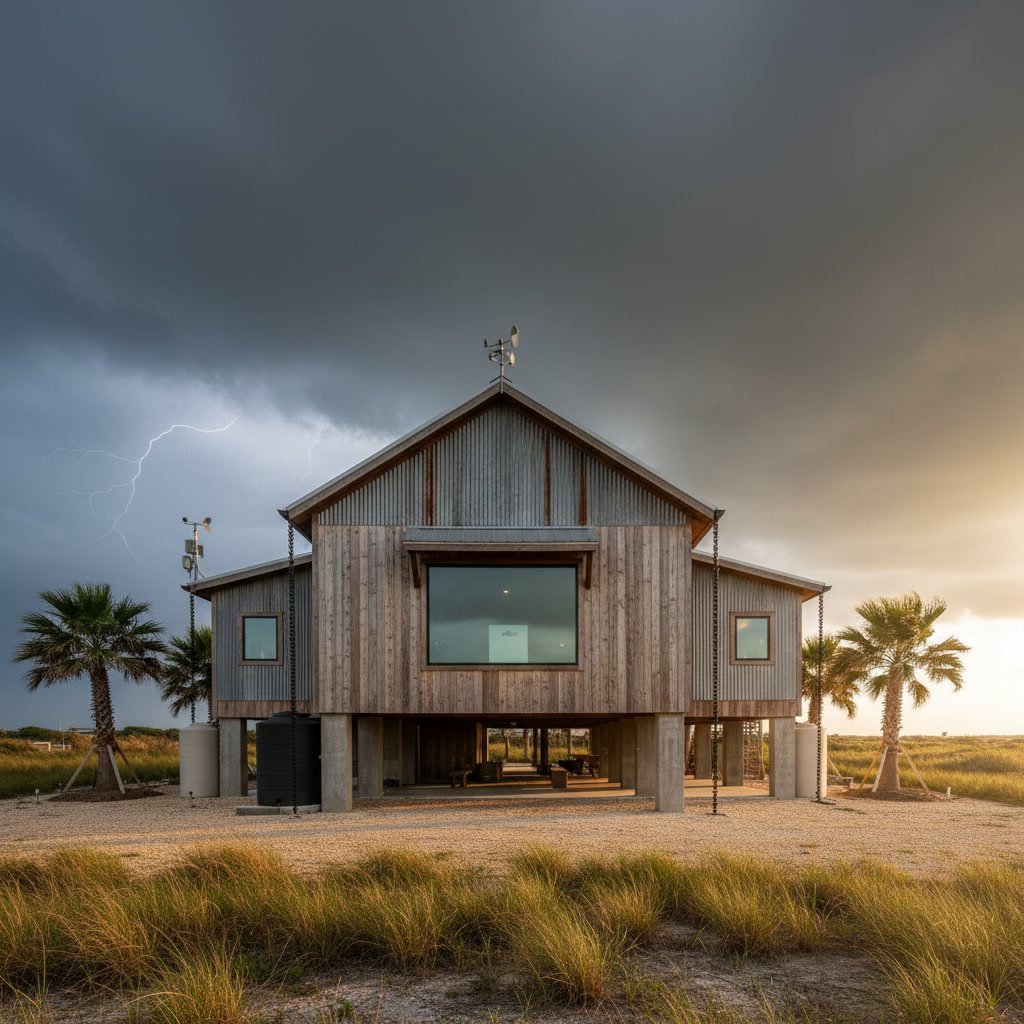
Vinyl Siding: The Low-Maintenance Favorite
Vinyl remains the most popular residential siding in the United States, and for good reason. It costs less than most alternatives, never needs painting, resists moisture and insect damage, and comes in dozens of colors and textures. Quality vinyl products carry wind ratings suitable for coastal zones and include interlocking panels that prevent water infiltration.
The downsides are worth noting. Lower-grade vinyl can crack in extreme cold or become brittle after years of UV exposure. Dark colors may fade noticeably over 10 to 15 years. Vinyl offers minimal insulation value unless you opt for insulated versions, which add cost. If a panel sustains impact damage, you’ll need to replace the entire section rather than patch it.
For budget-conscious homeowners who want a clean look with minimal upkeep, vinyl delivers solid performance. Just be sure to select a product with a minimum thickness of 0.044 inches and a lifetime warranty that covers fading and cracking.
Fiber Cement: Strength and Versatility Combined
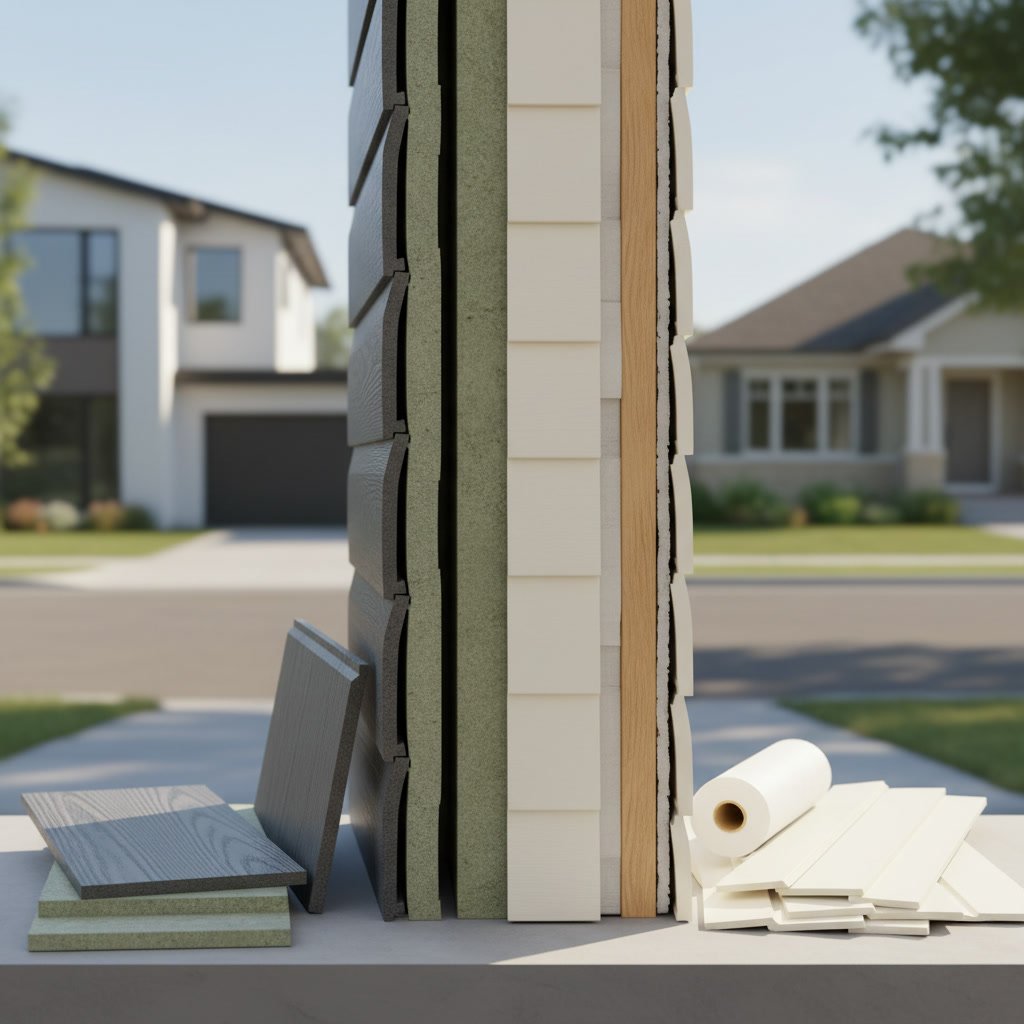
Fiber cement siding blends wood pulp, cement, and sand into durable boards or panels that mimic wood, stucco, or masonry. It resists rot, termites, and fire, earning a Class A fire rating. It holds paint exceptionally well, and manufacturers back their products with warranties of 30 to 50 years. Fiber cement performs beautifully in humid climates and handles hurricane-force winds when properly installed.
The trade-offs include higher material and labor costs. Fiber cement weighs significantly more than vinyl, requiring additional framing support and specialized cutting tools. It must be painted or stained, though it holds finishes far longer than natural wood. Professional installation is essential because improper fastening or inadequate clearance from grade can void warranties and lead to premature failure.
If you want the look of real wood without the rot issues and you’re willing to invest more upfront, fiber cement offers exceptional longevity and curb appeal. It’s particularly well-suited for historic home styles where authentic detailing matters.
Wood Siding: Classic Beauty With Ongoing Care
Natural wood delivers unmatched warmth and character. Cedar, redwood, and cypress offer natural resistance to decay and insects, making them the best wood choices for Louisiana. Wood accepts stain and paint beautifully, and damaged boards can be individually replaced without disturbing surrounding sections.
Wood’s drawbacks are significant in humid climates. It requires repainting or restaining every three to seven years depending on exposure. Moisture can cause warping, splitting, and rot if drainage details aren’t perfect. Termites and carpenter bees find wood irresistible. Even treated wood demands vigilant maintenance to prevent decay.
Wood siding makes sense if you love the aesthetic and commit to regular upkeep. Otherwise, modern alternatives that replicate wood’s appearance without the maintenance burden offer better value.
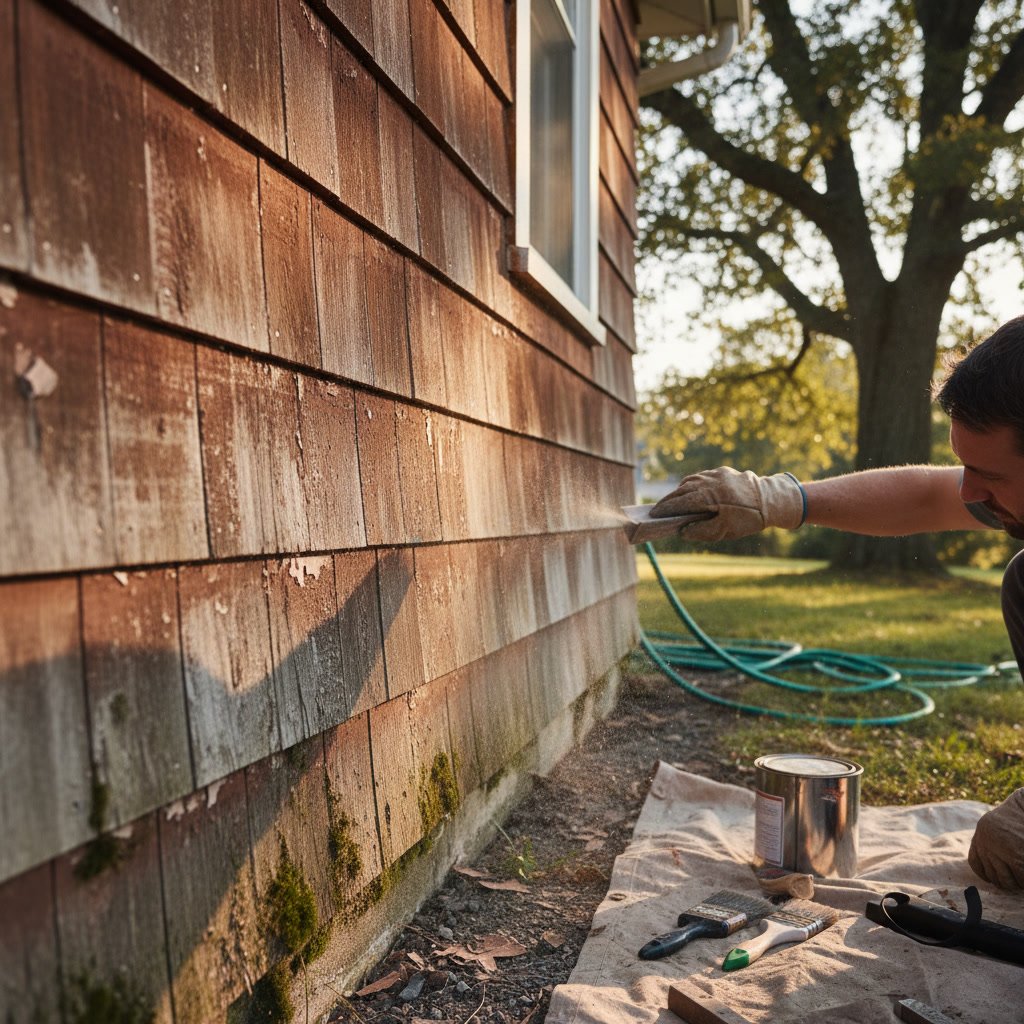
Engineered Wood: A Middle Ground Option
Engineered wood products use wood strands or fibers bonded with resins and wax to create panels or lap boards. They cost less than solid wood and fiber cement while delivering better dimensional stability than natural lumber. Quality engineered products carry long warranties and resist splitting and cracking.
The concern with engineered wood lies in moisture performance. Early generations of these products suffered catastrophic failures due to water absorption and delamination. Modern versions incorporate better moisture barriers and edge sealing, but they still don’t match fiber cement or vinyl in wet climates. Installation must be flawless, with proper flashing and drainage planes, or moisture will compromise the substrate.
If you’re drawn to wood texture but need a lower price point than fiber cement, engineered wood can work in Louisiana if you choose premium brands with proven track records and ensure your installer follows manufacturer specifications exactly.
Metal Siding: Industrial Strength for Residential Use
Aluminum and steel siding offer extreme durability, fire resistance, and low maintenance. Metal won’t rot, crack, or attract pests. It handles high winds exceptionally well and can last 40 years or more. Modern metal products come in profiles that mimic traditional lap siding, board-and-batten, and vertical panels.
Metal’s challenges include denting from hail or impacts, potential for rust if the finish is scratched, and a modern aesthetic that doesn’t suit every architectural style. Aluminum is softer and dents more easily than steel, while steel is heavier and more expensive. Both can be noisy during heavy rain unless properly insulated beneath.
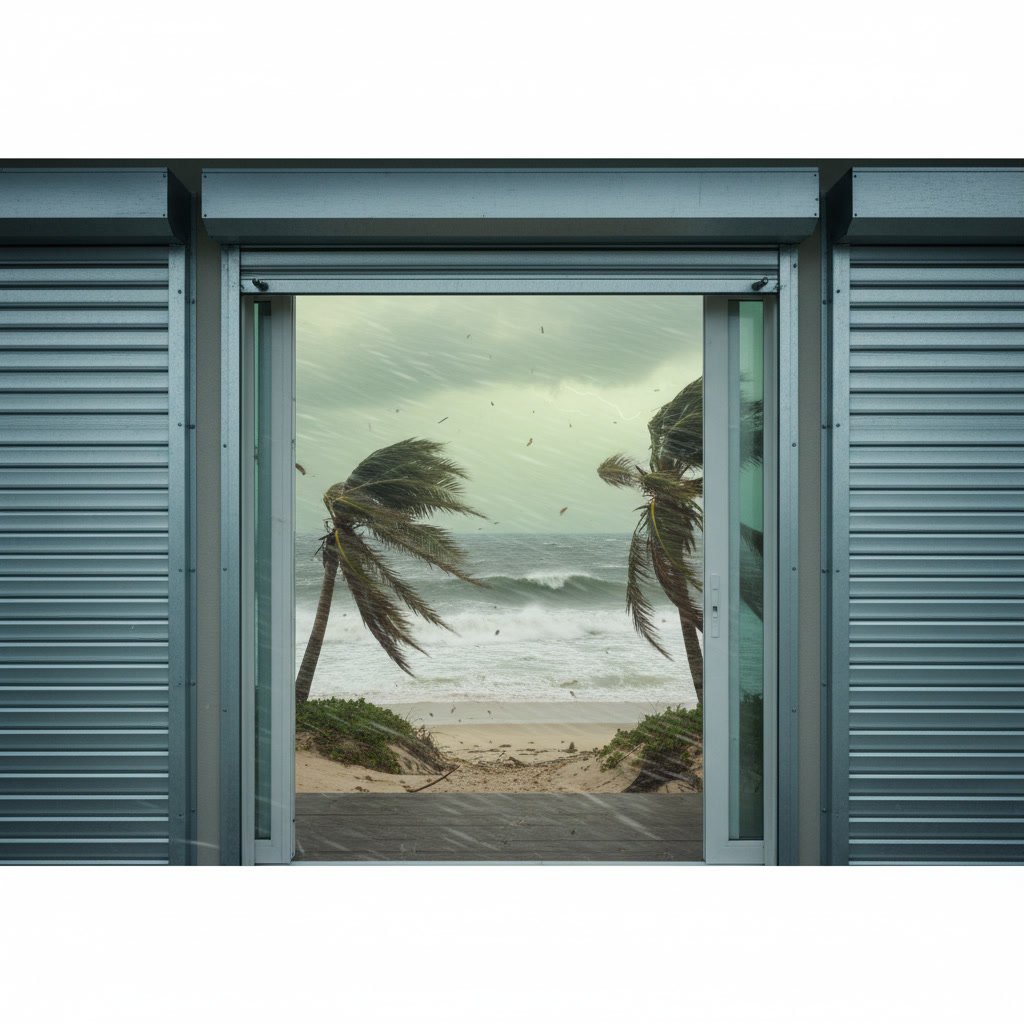
Metal siding works well for contemporary designs or homeowners prioritizing maximum durability over traditional appearance. It’s particularly smart if you live in areas with frequent hail or want to pair exterior updates with enhanced storm protection like storm shutters.
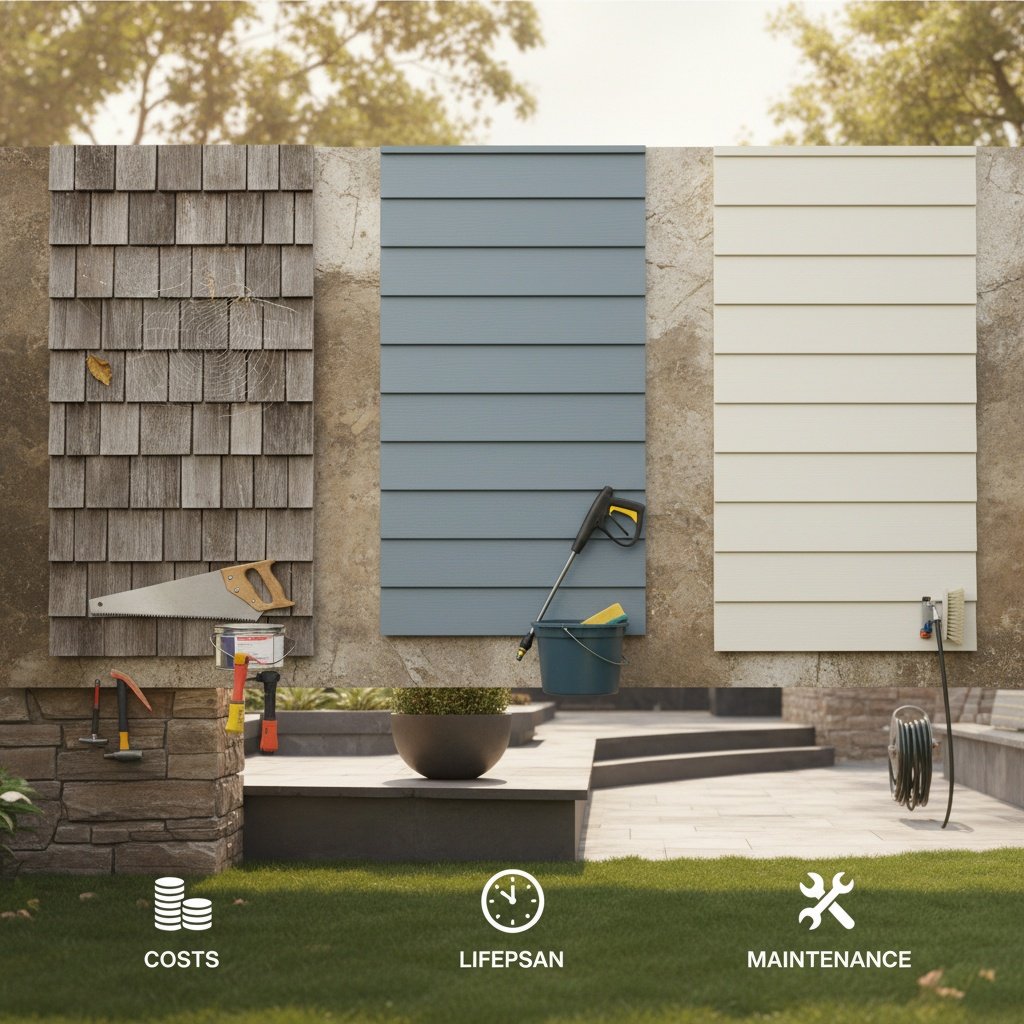
Comparing Costs, Lifespan, and Maintenance Requirements
Budget plays a major role in any exterior upgrade. Vinyl typically costs $3 to $8 per square foot installed. Engineered wood runs $4 to $9 per square foot. Fiber cement ranges from $6 to $12 per square foot. Natural wood spans $8 to $15 per square foot depending on species. Metal siding falls between $7 and $14 per square foot.
Lifespan varies just as widely. Vinyl lasts 20 to 40 years. Fiber cement can reach 50 years or more. Wood may last 30 years with diligent maintenance or fail in 10 if neglected. Engineered wood warranties typically cover 30 years. Metal can exceed 40 years if corrosion is prevented.
Maintenance requirements separate clear winners from high-maintenance options. Vinyl and metal need only occasional washing. Fiber cement requires repainting every 10 to 15 years. Wood demands attention every few years. Engineered wood falls somewhere in between, needing periodic inspection and touch-up.
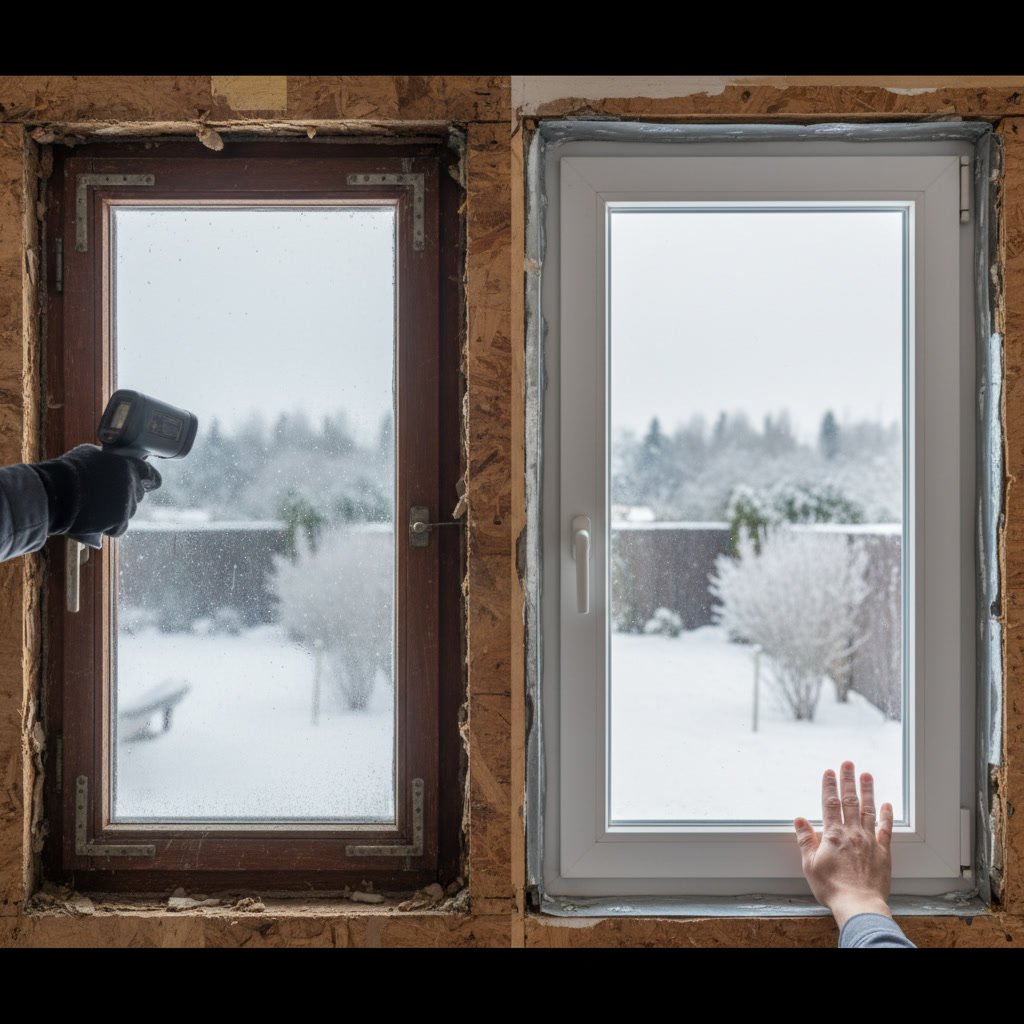
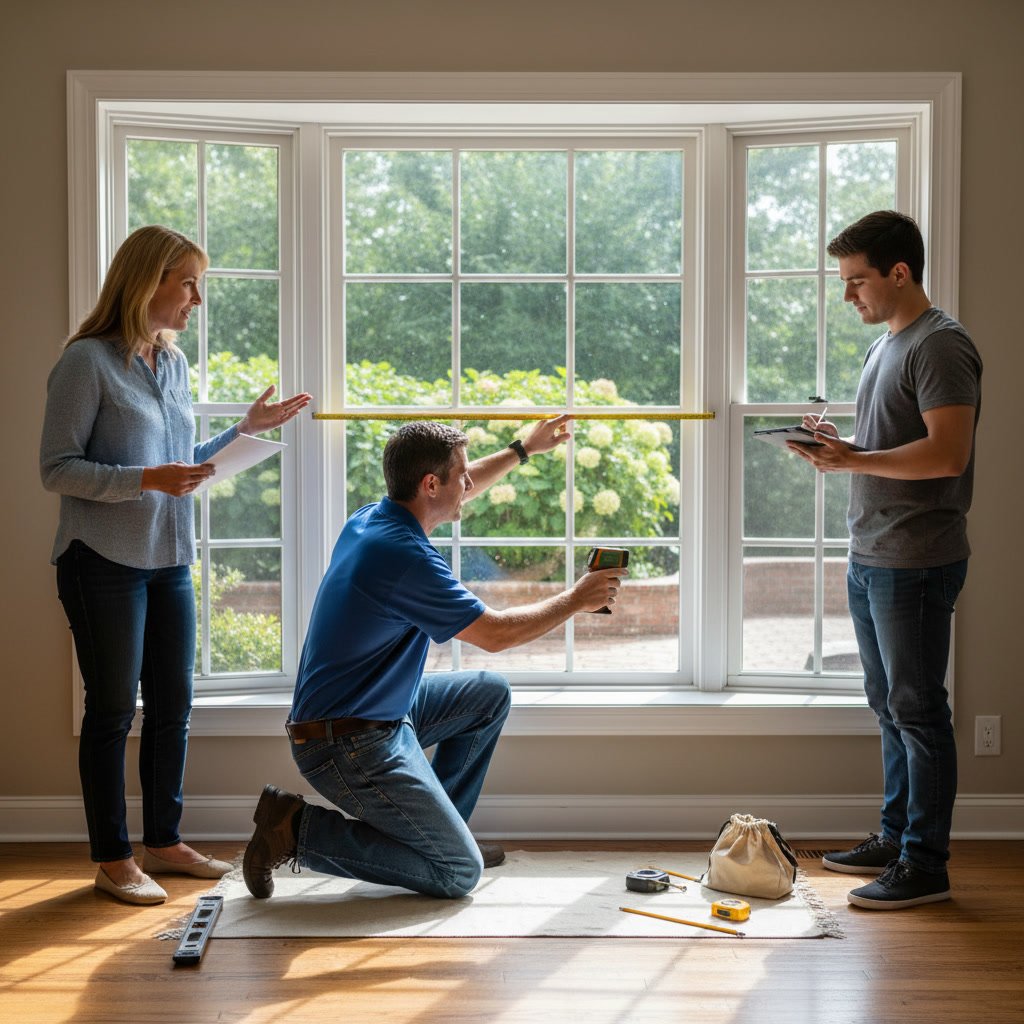
Homeowners planning comprehensive exterior updates often coordinate siding replacement with window replacement to maximize energy efficiency and visual cohesion. Just as you’d research window replacement costs, understanding total project expenses helps you allocate budget wisely.
Matching Material to Architectural Style
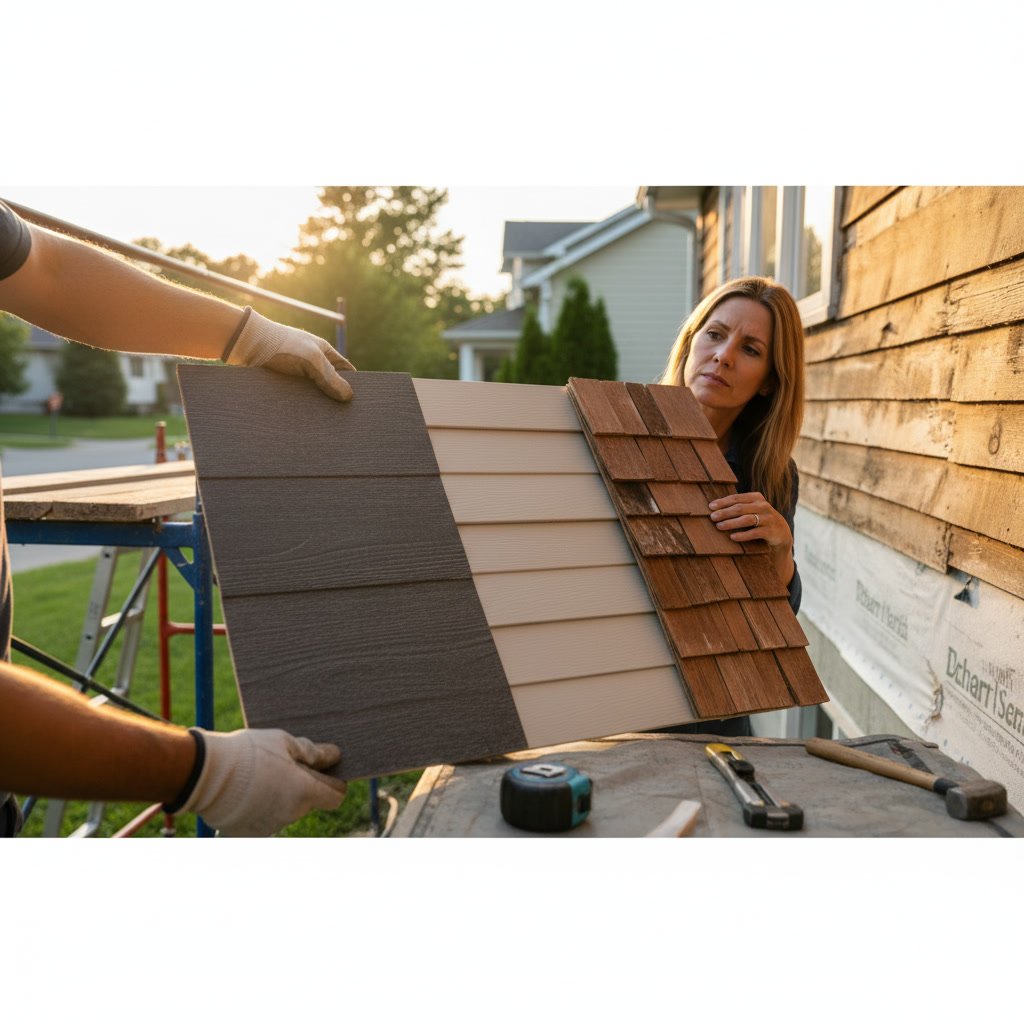
Not every material suits every home design. Traditional Colonial, Cape Cod, and Craftsman styles look best with horizontal lap siding in wood, fiber cement, or vinyl profiles that replicate wood grain. Victorian homes benefit from decorative shingle patterns and mixed textures. Ranch and mid-century modern designs pair well with board-and-batten, vertical panels, or metal.
Contemporary and minimalist homes can pull off smooth fiber cement panels or standing-seam metal. Mediterranean and Spanish-influenced designs often feature stucco, but fiber cement stucco panels offer similar aesthetics with better moisture performance in humid climates.
Color choice matters just as much as material. Lighter colors reflect heat and minimize thermal expansion, a key consideration in Louisiana’s intense sun. Darker tones create drama but require higher-grade materials that resist fading. Before finalizing your selection, review samples in natural daylight next to your roof and trim colors to ensure harmony.
Installation Quality Makes or Breaks Performance
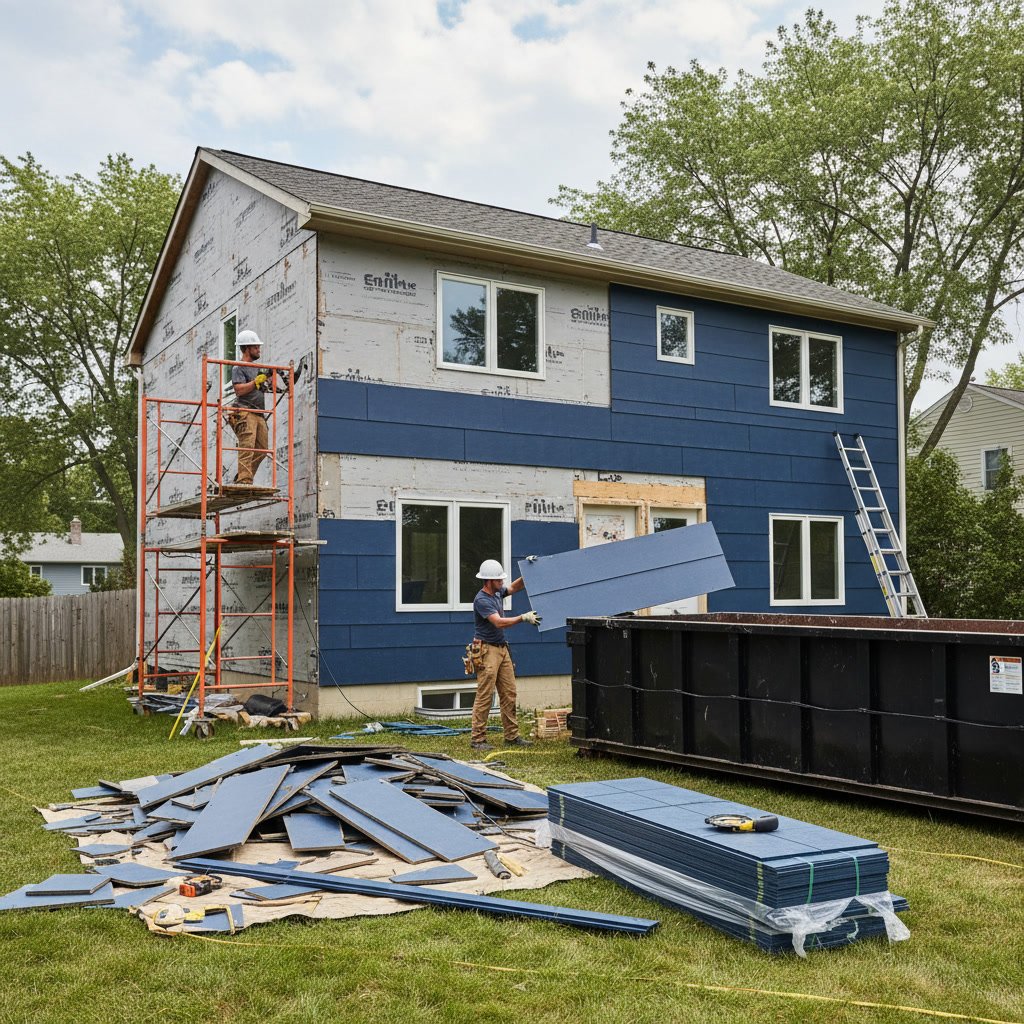
Even premium siding fails if installation is subpar. Proper installation starts with a weather-resistant barrier over sheathing, correct flashing around openings, and adequate drainage planes behind the siding. Fasteners must penetrate studs at the right depth without overdriving. Expansion gaps prevent buckling during temperature swings. Trim details around corners, doors, and windows must be watertight.
One expert-level insight often overlooked: the bottom edge of your siding must maintain at least six to eight inches of clearance above grade to prevent moisture wicking and splash-back. In Louisiana’s high-rainfall environment, this detail is critical. Many installation failures trace back to siding installed too close to soil, mulch, or concrete, allowing water and termites direct access to the substrate.
Professional installers understand regional building codes, manufacturer specifications, and best practices for storm-prone areas. They carry proper licensing and insurance. Cutting corners on installation to save a few hundred dollars can cost thousands in repairs within a few years. Always verify credentials and ask for references from projects completed at least five years ago.
Making Your Final Decision With Confidence
Choosing the right exterior cladding requires balancing performance, aesthetics, budget, and maintenance commitment. Start by identifying your non-negotiables. If you never want to paint, eliminate wood. If budget is tight, focus on vinyl or engineered wood. If longevity and low maintenance top your list, fiber cement or metal deserve serious consideration.
Request samples from manufacturers and view them on your home’s exterior at different times of day. Visit completed projects in your area to see how materials weather over time. Get detailed estimates from multiple contractors, ensuring all bids include the same scope, material quality, and warranty coverage. Ask about wind ratings, impact resistance, and fire ratings, especially if you’re upgrading other storm protection measures like door replacement.
Remember that your home’s exterior is an interconnected system. Siding, windows, doors, and roof work together to shed water and resist wind. Upgrading one component without addressing others can leave weak points that compromise the entire envelope. A holistic approach delivers better protection and efficiency.
Your Home Deserves the Right Protection
The siding you select will shape your home’s appearance and performance for decades. By understanding the strengths and limitations of each material, considering Louisiana’s demanding climate, and insisting on quality installation, you can make a choice that enhances comfort, curb appeal, and long-term value. Prioritize durability and moisture resistance in this humid, storm-prone region, and your investment will pay dividends year after year.
AMERICA’S BEST CHOICE OF Acadiana, LA partners with leading manufacturers to bring homeowners exceptional quality and energy-efficient products backed by expert installation. Whether you’re exploring options for the first time or ready to move forward with a project, our team provides the guidance and craftsmanship you need for lasting results. Reach out at +13372642585 to discuss your home’s specific needs and receive a detailed consultation tailored to your goals.