Casement windows use a crank mechanism that swings the entire sash open like a door, while double hung windows slide vertically within their frame. When comparing casement vs double hung windows for ease of operation, casement windows require less physical effort because of their mechanical crank system. For air seal performance, casement windows generally provide tighter compression seals when closed, as the sash presses firmly against the frame under locking pressure.
Understanding How Each Window Style Operates
Double hung windows feature two movable sashes that slide up and down within the frame. You lift the lower sash or pull down the upper sash to open them. Most modern designs include tilt-in sashes for easier cleaning from inside your home. The sliding mechanism relies on tracks, balances, and friction to hold the window in position.
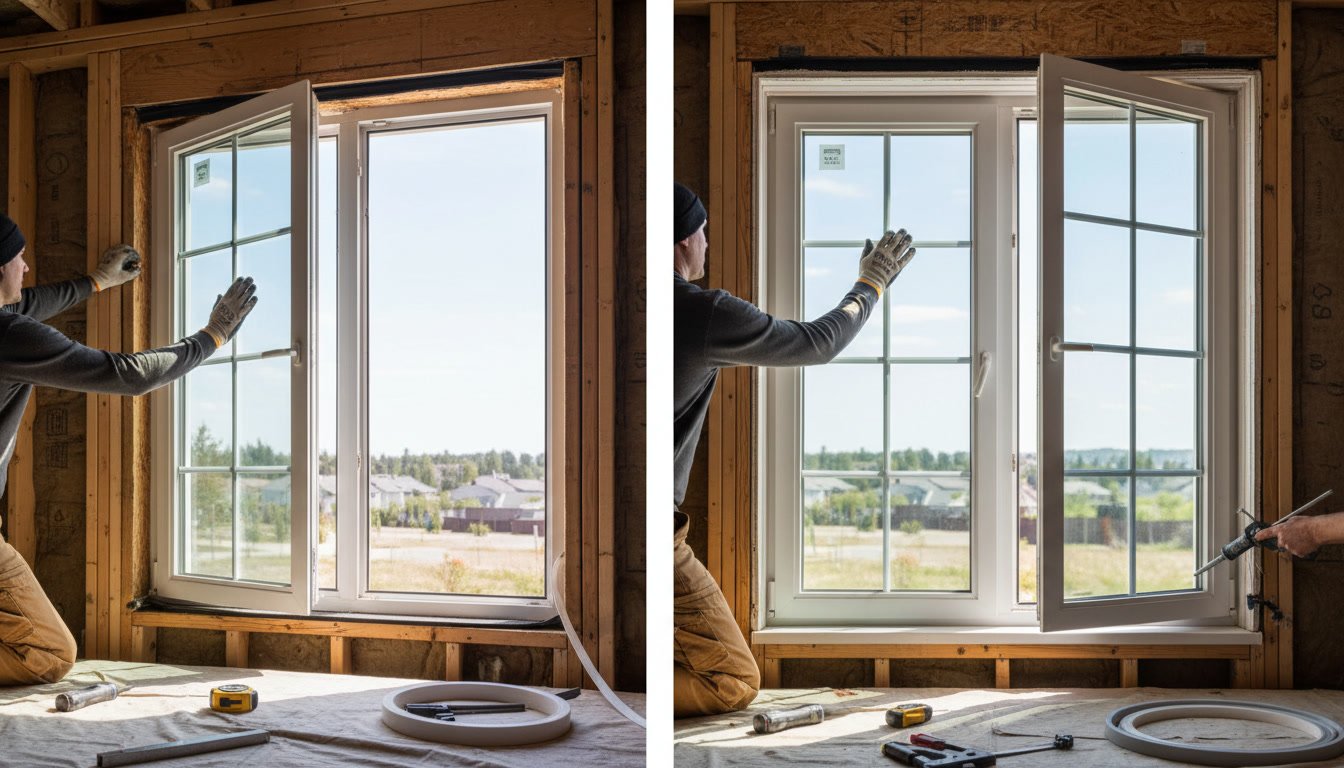
Casement windows attach to the frame with hinges on one side and open outward using a crank handle. Turning the crank extends an arm that pushes the window sash open to the desired angle. The entire glass area swings out, typically to a 90-degree angle, providing maximum ventilation. When you turn the crank in reverse, the window pulls closed and locks tight against weatherstripping.
The Physical Effort Required to Open Each Style
Casement windows demand minimal physical strength because the crank mechanism provides mechanical advantage. A few turns of the handle open the window completely, making them ideal for hard-to-reach locations above kitchen sinks or in high wall placements. People with limited mobility or arthritis often find casement windows significantly easier to operate than other styles.
Double hung windows require you to overcome the friction of the balance system and lift the entire weight of the sash. While quality balance systems reduce the effort needed, you still need sufficient grip strength and arm mobility to raise the sash. In homes where windows haven’t been maintained properly, paint buildup or damaged balances can make double hung windows frustratingly difficult to open.
How Each Design Achieves an Airtight Seal
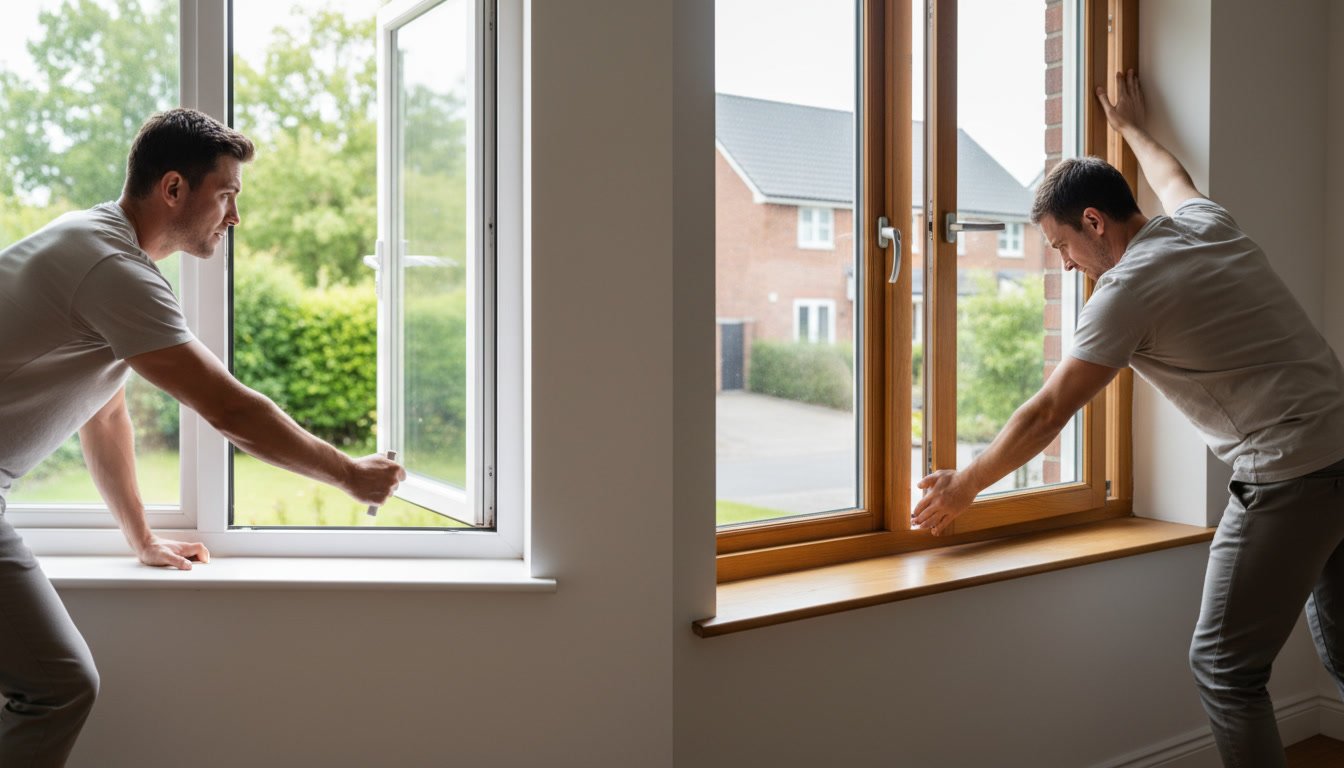
The sealing mechanism differs fundamentally between these two window types. Casement windows create compression seals when locked. As you engage the lock, it pulls the sash tight against the frame, compressing the weatherstripping around the entire perimeter. This compression creates a continuous seal that resists air infiltration remarkably well.
Double hung windows rely on sliding contact seals between the sash and frame. The weatherstripping must maintain contact as the window slides, which creates inherent challenges. Even with quality construction, the sliding motion gradually wears weatherstripping over time. The meeting rail where the two sashes come together represents another potential leak point that requires precise alignment to seal properly.
Energy Efficiency and Air Leakage Ratings in Acadiana
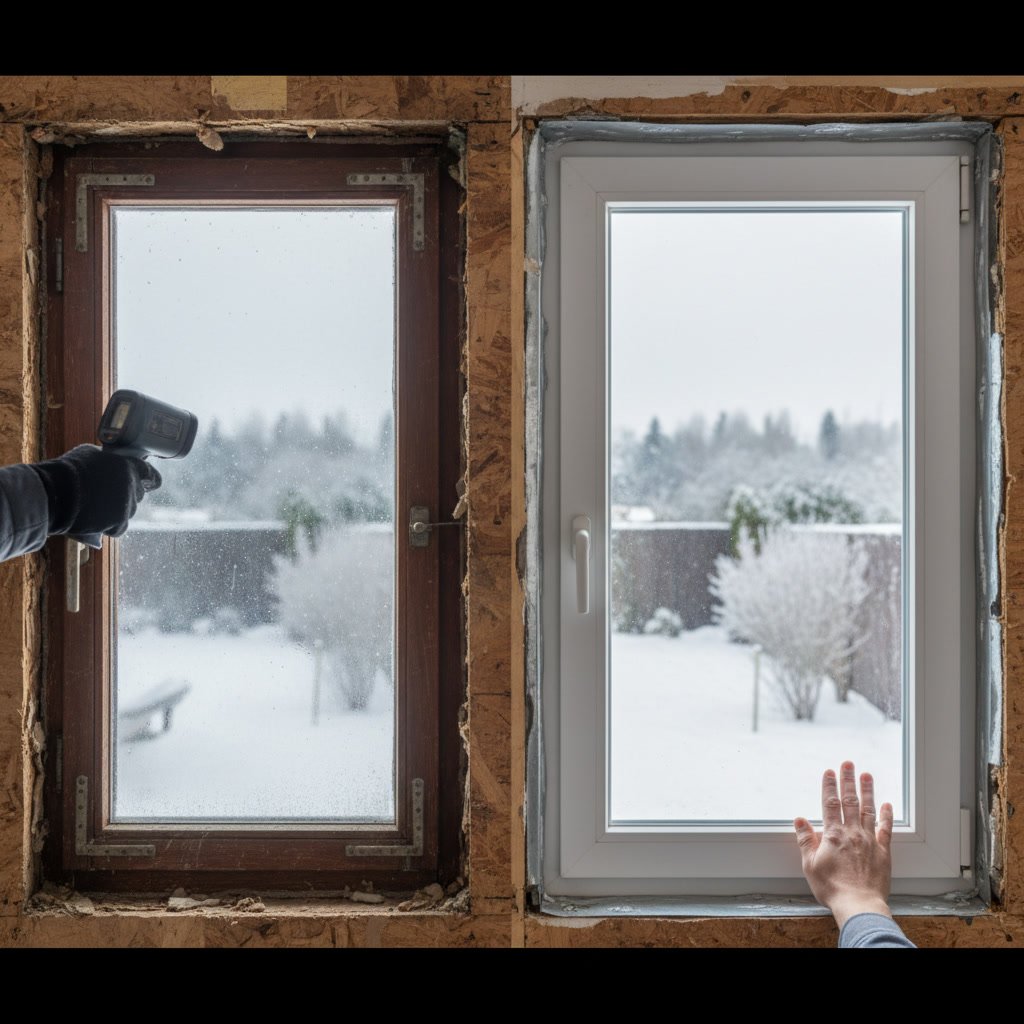
In the humid climate of Acadiana, air sealing directly impacts your cooling costs and indoor comfort. Laboratory testing consistently shows casement windows achieve lower air leakage rates than double hung windows of comparable quality. The compression seal design of casement windows typically produces air leakage rates between 0.1 and 0.3 cubic feet per minute per square foot of window area.
Quality double hung windows generally measure between 0.2 and 0.5 cubic feet per minute per square foot. While this difference seems small, it compounds across multiple windows. Over a cooling season, the cumulative air infiltration through double hung windows can noticeably increase your energy bills compared to window replacement with casement units.
Ventilation Control and Airflow Patterns
Casement windows offer superior ventilation control because they can catch passing breezes and direct them into your home. When opened at an angle, the sash acts like a scoop, channeling outdoor air inside. This feature proves particularly valuable for cross-ventilation strategies that reduce reliance on air conditioning during mild weather.
Double hung windows provide more limited airflow options. You can open the top sash, bottom sash, or both to create natural convection currents. However, the vertical opening restricts airflow to the portion of the window you’ve opened. The maximum ventilation area never exceeds 50% of the total window size, since one sash always remains closed.
Maintenance Requirements and Long-Term Performance
Double hung windows with tilt-in sashes simplify exterior glass cleaning from inside your home. This convenience matters for second-story installations where exterior access requires ladders. The tilt mechanism does add moving parts that can wear or break over time, potentially requiring repair.
Casement windows require you to reach around the open sash to clean the exterior glass, which can be awkward. The crank mechanism needs occasional lubrication to maintain smooth operation. In coastal areas or locations exposed to salt spray, the hinges and crank assemblies may corrode if not properly maintained. However, fewer moving parts in contact with the frame means less friction-related wear compared to sliding windows.
Weather Resistance During Storms
When properly closed and locked, casement windows resist wind pressure exceptionally well because the wind actually pushes the sash tighter against the frame. This characteristic makes them perform admirably during severe weather events. The compression seal also prevents wind-driven rain from penetrating around the sash perimeter.
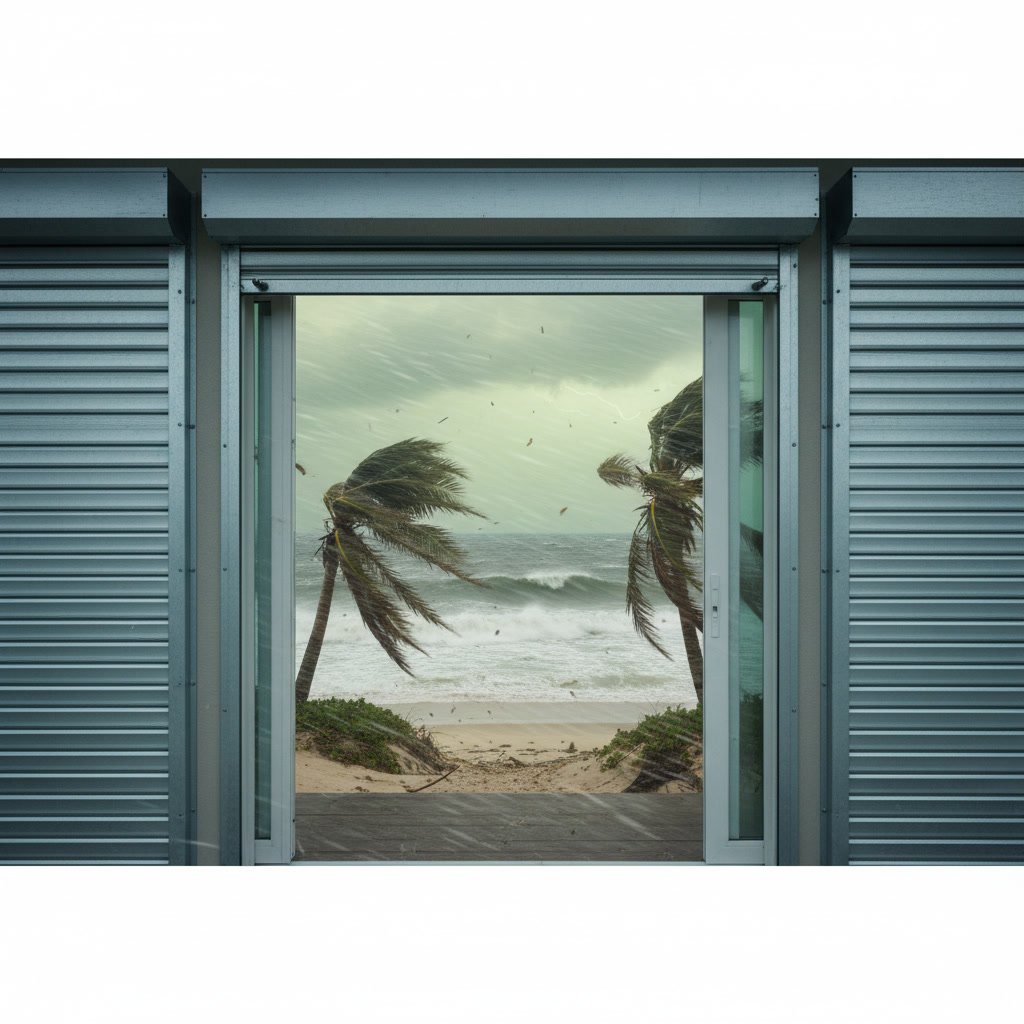
Double hung windows can flex under high wind loads, potentially allowing water infiltration at the meeting rail or along the side channels. Homes in storm-prone areas often benefit from pairing quality windows with additional protection like storm shutters that shield the glass and frame from wind-borne debris and extreme pressure differentials. Understanding how long replacement windows last in humid climates helps you plan for the specific weather challenges Louisiana homeowners face.
Architectural Compatibility and Design Constraints
Casement windows cannot be installed where the outward swing would interfere with walkways, patios, or landscaping. Building codes typically prohibit casement windows that open over public sidewalks. You also need to consider clearance for window operation near deck railings, HVAC equipment, or exterior fixtures.
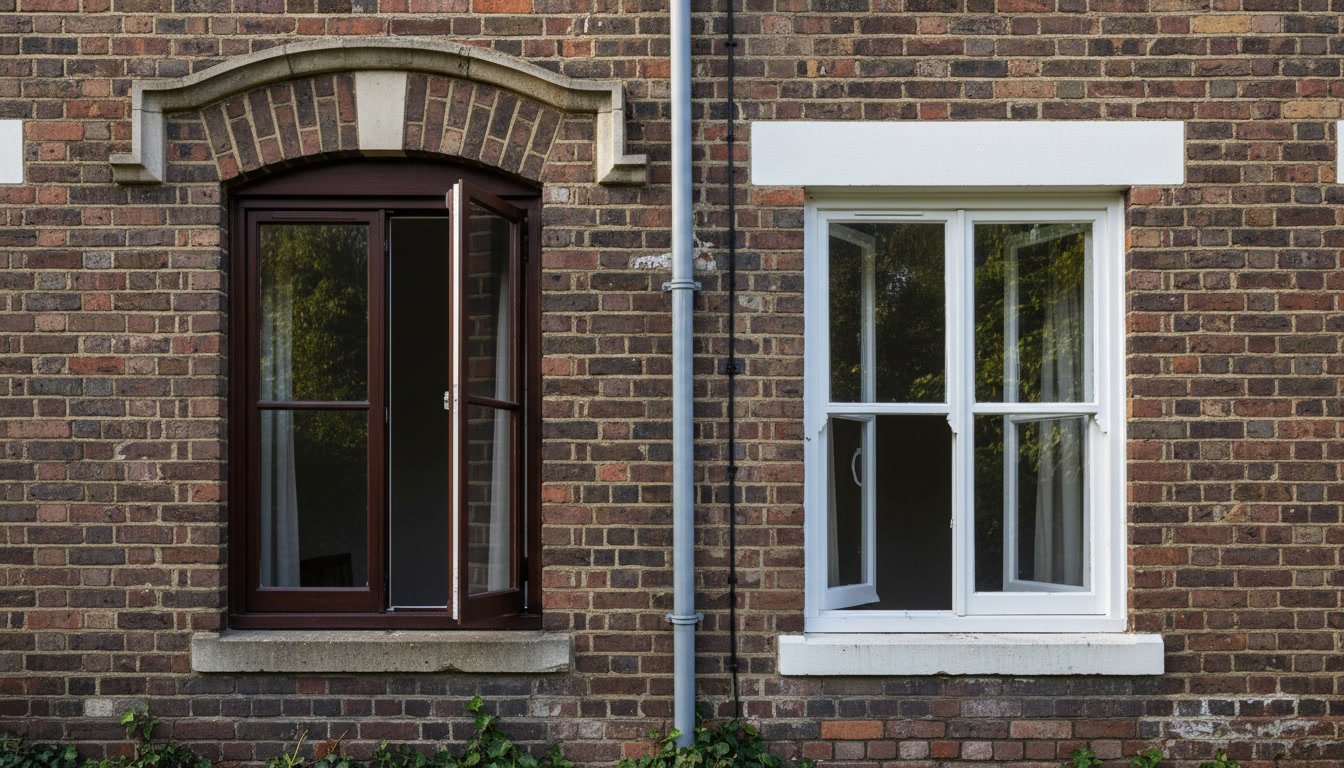
Double hung windows fit nearly any architectural application because they operate entirely within their frame opening. This versatility makes them the default choice for many builders and architects. They work equally well in traditional colonial designs and contemporary structures. The vertical proportions complement most facade compositions without creating functional conflicts.
Cost Factors and Value Comparison
Casement windows typically cost 10% to 20% more than comparable double hung windows because of their more complex hardware. The crank mechanism, hinges, and locking system add manufacturing costs that translate to higher retail prices. Installation labor costs remain similar between the two styles for standard applications.
The energy savings from tighter air seals can offset the higher initial cost over the window’s lifespan. Homeowners evaluating window replacement cost in Lafayette LA should calculate the payback period based on their specific cooling loads and window quantities. In high-performance applications where minimizing air infiltration drives the design, casement windows deliver measurable value despite the premium price.
Choosing the Right Style for Your Home
Your decision should weigh operation ease, sealing performance, maintenance preferences, and architectural constraints. Casement windows excel in applications where maximum ventilation, effortless operation, and superior air sealing justify the higher cost. They perform particularly well in homes where residents have mobility limitations or where energy efficiency ranks as a top priority.
Double hung windows make sense when exterior clearance limits outward-swinging operation, when traditional aesthetics guide your design, or when budget constraints favor the lower-cost option. They remain the practical choice for most bedroom and living area applications where moderate air sealing meets performance requirements. AMERICA’S BEST CHOICE OF Acadiana, LA works with leading manufacturers to provide both window styles engineered for Louisiana’s climate challenges.
Making an Informed Window Investment
Both casement and double hung windows serve reliably when properly manufactured and installed. Casement windows deliver easier operation through their crank mechanism and achieve tighter seals through compression design. Double hung windows offer operational versatility, easier exterior cleaning, and broader architectural compatibility. Neither style is universally superior, the best choice depends on your specific application, budget, and performance priorities.
Understanding these functional differences helps you select windows that will perform well for decades. Quality materials, professional installation, and appropriate style selection all contribute to long-term satisfaction with your investment.
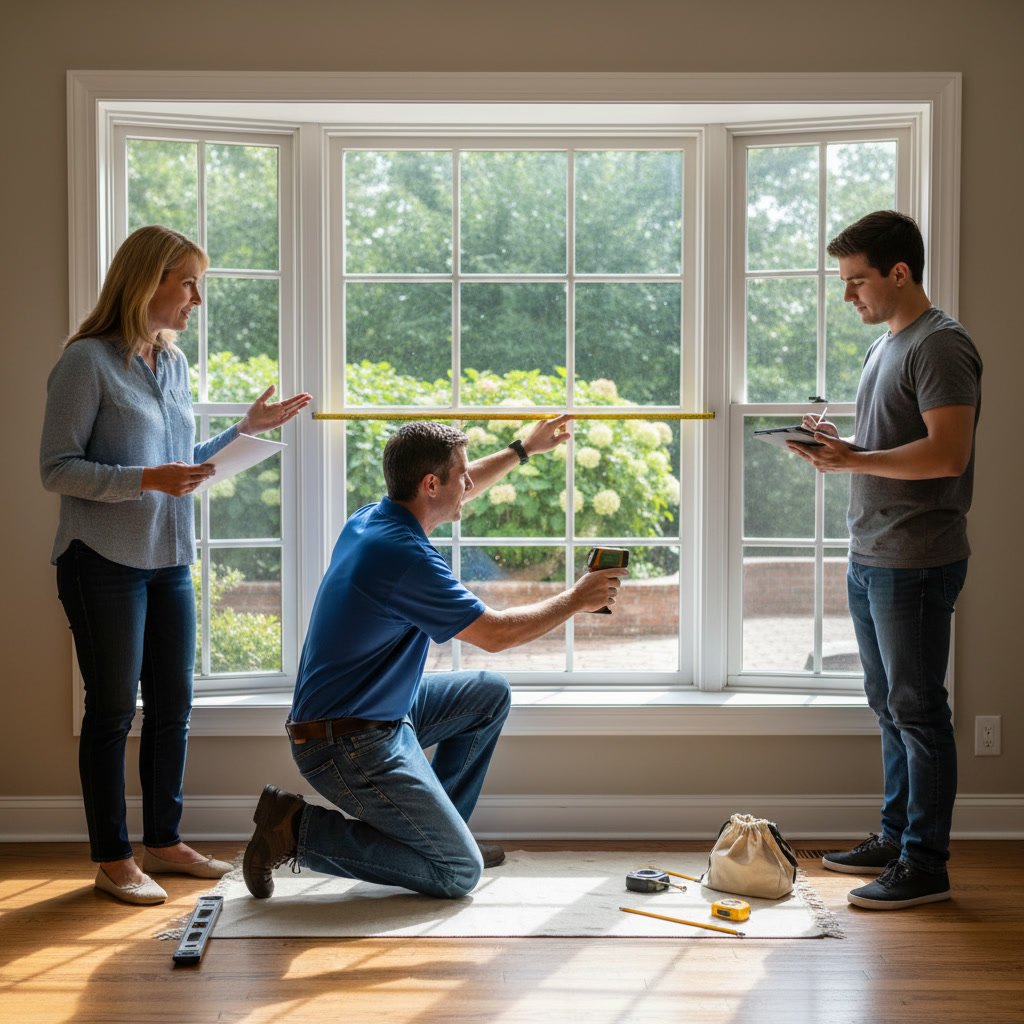
AMERICA’S BEST CHOICE OF Acadiana, LA helps homeowners throughout Acadiana, Lafayette, Broussard, and surrounding communities select the right windows for their specific needs and budget. Our team provides detailed comparisons of window styles, manufacturers, and performance specifications tailored to your home. Contact us at +13372642585 to schedule a consultation and learn which window style will serve your home best.